
2026 Tariffs: Why Solar Panels Will Cost More
Homeowners who plan to install solar panels in the near future must prepare for elevated prices due to impending import tariffs. These tariffs target solar cells and modules from key manufacturing nations. The policy seeks to bolster domestic production, yet it will elevate material and installation expenses for residential projects. A clear grasp of these tariffs enables informed decisions on timing and financing.
The Purpose Behind the Tariffs
Import tariffs function as taxes on goods entering the country. Within the solar sector, such measures promote local manufacturing, lessen reliance on overseas suppliers, and shield U.S. producers from low-cost imports. Applied to solar panels, these tariffs inflate the price of imported modules, which installers and homeowners ultimately bear.
Trade agencies maintain that this approach fortifies supply chains and generates jobs in solar manufacturing. Industry groups contend that tariffs hinder widespread adoption by rendering clean energy less accessible. Domestic facilities may grow under such protections, though elevated material costs could deter installations amid rising utility rates.
How Tariffs Affect Solar Pricing
A solar panel system includes photovoltaic modules, inverters, racking, and electrical components. Tariffs directly influence module costs, with repercussions extending to the entire installation. Importers facing higher expenses adjust wholesale prices upward, and installers reflect these in customer quotes.
Market research indicates that modest tariffs can increase system costs by hundreds of dollars for standard home setups. This impact intensifies when factoring in labor, permits, and other elements.
Anticipate these developments:
- Module prices rise initially, with imported panels commanding higher rates per watt.
- Supply competition diminishes as minor importers exit the market.
- Domestic producers may adjust prices amid heightened demand for U.S.-made panels.
- Installers recalibrate budgets for labor and procurement to sustain margins.
Why This Matters for Homeowners
Tariffs establish a pivotal financial juncture for homeowners. Delaying installation risks thousands of dollars in added costs for equivalent systems, varying by size, sourcing, and incentives.
Solar energy retains its value as an investment. Long-term utility bill reductions surpass upfront expenses for most residences, even post-tariffs. Payback periods may extend, particularly where utility rates hold steady.
Domestic Manufacturing and Its Limits
The policy intends to expand U.S. solar manufacturing. Several firms have revealed intentions to enlarge or construct facilities, potentially enhancing supply reliability, quality oversight, and employment.
Establishing a full domestic supply chain demands time and investment. Many American manufacturers depend on imported cells, glass, or wafers. Tariffs on these essentials may constrain growth until capacity matches demand. Imports will persist as vital in the interim.
The Solar Energy Industries Association notes that past tariffs have curbed installation rates, with data showing dips in project numbers. While manufacturing jobs gain protection, installation and maintenance roles may suffer losses.
How Installers Are Responding
Solar professionals adapt to mitigate tariff effects through various tactics:
- Placing bulk orders with current suppliers ahead of changes.
- Forming alliances with U.S. manufacturers for fixed pricing.
- Providing financing that distributes costs over extended periods.
- Incorporating efficient modules to maximize output in constrained spaces.
Homeowners may encounter varying quotes based on purchase timing. Installers with stockpiled inventory or domestic ties often deliver superior rates over those dependent on imports.
What Homeowners Can Do Now
Homeowners hold options to safeguard their solar investments.
- Obtain quotes from several providers. Examine equipment origins, warranties, and labor expenses.
- Inquire about price guarantees. Certain installers secure existing rates upon contract signing prior to tariff implementation.
- Verify incentives. Federal tax credits, state rebates, and performance programs offset rises.
- Assess energy consumption. Lowering usage permits smaller systems and reduced costs.
- Consider grid modifications. Local rules may necessitate meter or panel upgrades; consult installers promptly.
Permit and Code Context
Solar installations require electrical and building permits from local authorities. The National Electrical Code dictates standards for wiring, grounding, and overcurrent protection, with possible regional variations. Confirm jurisdiction-specific rules before proceeding.
Licensed electricians handle high-voltage tasks, interconnections, and service work. Homeowners can contribute to low-risk activities such as mounting or conduit trenching, but professionals must finalize and inspect terminations.
Financing and Return on Investment
Rising equipment prices underscore the importance of financing. Options include:
- Solar loans featuring fixed rates and steady payments.
- Leases or power purchase agreements with minimal initial outlay, though they restrict ownership perks.
- Home equity loans, where interest might qualify for tax deductions.
These choices alter payback durations. Financing disperses tariff burdens while preserving energy savings. Account for interest in calculations to gauge net returns accurately.
Long-Term Market Effects
Tariffs may alter solar product distribution in the U.S. Domestic firms stand to gain if they deliver comparable quality at viable prices. Slow scaling, however, could tighten supplies and escalate costs.
Experts predict a shift toward high-efficiency panels that yield greater power per area. This optimizes roof usage and counters price hikes via superior output. Battery storage proposals may increase, as their components face parallel trade pressures.
Evaluating Tariff Impact in Your Region
Regional differences in labor, permits, and incentives influence costs. Robust state programs can neutralize tariff effects through rebates or net metering. Areas lacking such support experience steeper proportional increases.
Engage local installers versed in utility interconnections. Request insights on tariff influences over their pricing. Credible providers offer clear costs, equipment provenance, and enduring service pledges.
Visualizing the Cost Curve
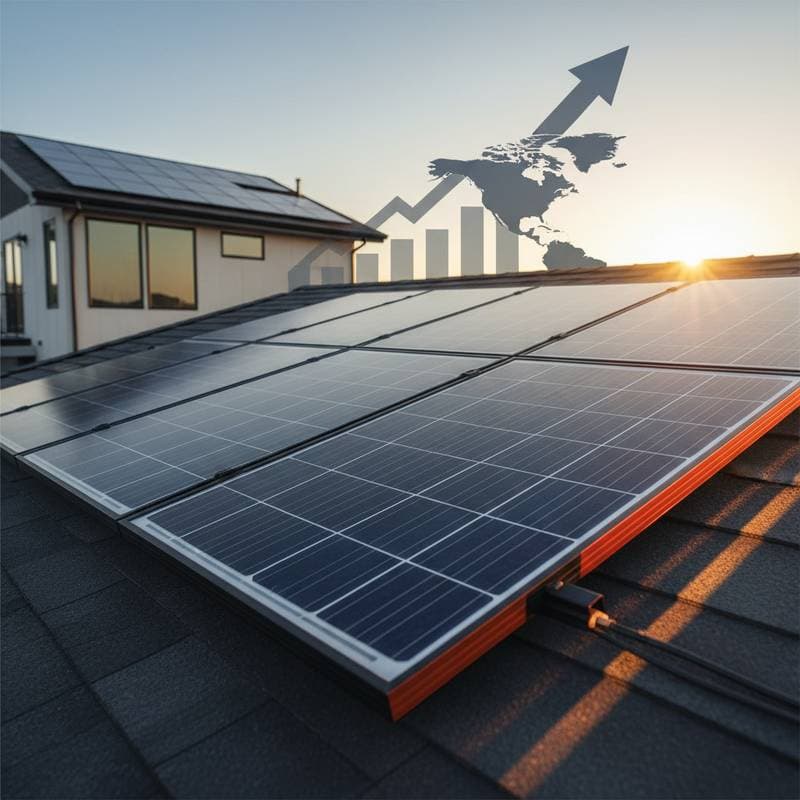
A cost comparison graph clarifies tariff influences. Picture a line chart contrasting present per-watt expenses with post-tariff projections. The ascending line illustrates the distributed tariff load across equipment, labor, and financing, aiding timeline assessments with installers.
Steps to Secure Your Solar Future
Proactive measures position homeowners advantageously before market shifts.
- Arrange a professional energy audit for precise system sizing.
- Reach out to NABCEP-certified installers for quotes and schedules.
- Examine financing and incentive timelines.
- Probe domestic sourcing and maintenance assurances.
- Retain records of warranties, models, and approvals.
Tariffs form part of efforts to fortify U.S. clean energy production. For homeowners, success lies in timely action, quality focus, and collaboration with code-savvy professionals. Solar endures as a dependable method to manage energy expenses long-term, with strategic preparation yielding optimal pricing and reliable performance.