
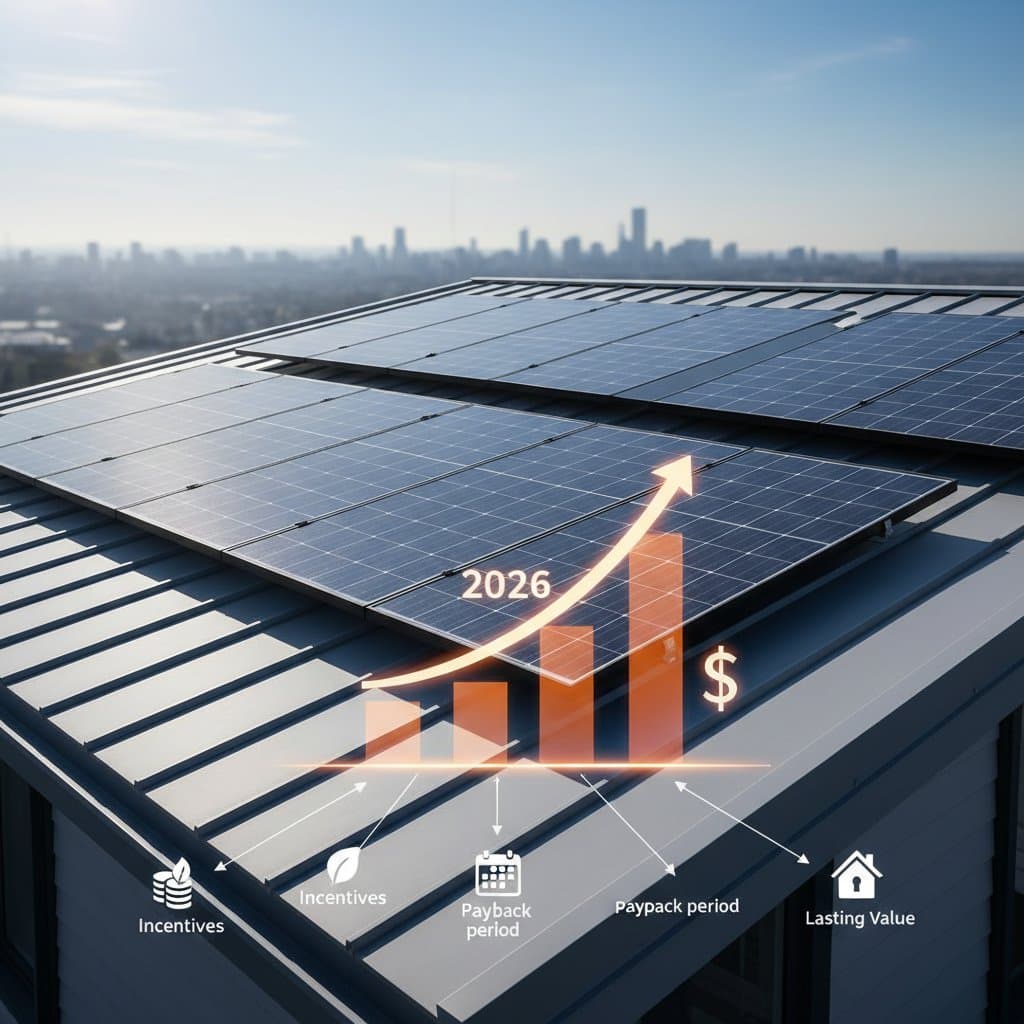
Understanding the 2026 Solar Tariffs
The solar energy sector faces significant changes with tariffs scheduled for 2026. These measures target imported solar components, primarily from Southeast Asia, where much of the global supply originates. Policymakers aim to protect domestic manufacturing, but the result will likely elevate costs for installers and consumers alike.
Solar panels constitute a major portion of installation expenses, often 25 to 30 percent of the total project budget. With tariffs adding up to 25 percent on key imports, panel prices could rise by 10 to 15 percent overall. This shift prompts homeowners to reassess timing and financing for their solar projects.
Industry experts predict these tariffs will encourage more U.S.-based production over time. For now, however, the immediate effect falls on buyers seeking affordable clean energy solutions.
How Tariffs Affect Solar Panel Pricing
Tariffs function as taxes on imported goods, directly increasing the cost of solar panels entering the U.S. market. Most panels rely on cells and wafers produced abroad, making the supply chain vulnerable to these policies. As a result, manufacturers pass on the added expenses to distributors and installers.
Consider a typical 6.6-kilowatt residential system, which might cost $15,000 before incentives. A 10 percent price hike translates to an extra $1,500 upfront. While this seems modest, it compounds with rising labor and permitting fees in areas like Philadelphia.
Beyond panels, tariffs indirectly influence related components such as inverters and mounting hardware. If global supply chains adjust slowly, shortages could further drive up prices. Homeowners in the Northeast, including Pennsylvania, may feel this pinch more acutely due to higher baseline energy costs.
Broader Implications for the Solar Market
The solar market has grown rapidly, with installations surging 20 percent annually in recent years. Tariffs could slow this momentum by making projects less economically attractive. Developers might delay large-scale initiatives, while residential adoption faces longer payback periods.
Payback periods, the time to recoup initial costs through energy savings, currently average seven to ten years. With higher upfront prices, this could extend to nine to twelve years, depending on local electricity rates. In Philadelphia, where rates hover around 16 cents per kilowatt-hour, the impact warrants careful planning.
On a positive note, tariffs may boost American innovation. Increased demand for domestic panels could lower long-term costs through economies of scale. For consumers, this means a more resilient supply chain less prone to international disruptions.
Actionable Strategies to Offset Rising Costs
Homeowners can take proactive steps to navigate these tariff-induced increases. Start by evaluating current incentives, which remain robust despite policy shifts. The federal Investment Tax Credit covers 30 percent of system costs through 2032, providing a substantial buffer.
-
Time Your Installation Wisely: Schedule projects before 2026 to avoid peak tariff effects. Early adopters lock in lower prices and begin savings sooner.
-
Explore Financing Options: Low-interest solar loans from banks or credit unions spread costs over time. Some programs offer zero-down payments, preserving cash flow.
-
Leverage Local Rebates: In Pennsylvania, check for state-specific programs like the Solar Renewable Energy Certificates market. Philadelphia utilities may provide additional rebates for energy-efficient upgrades.
-
Opt for Efficient Systems: Choose high-efficiency panels that generate more power per square foot. This reduces the number of panels needed, curbing overall expenses.
-
Combine with Energy Efficiency Measures: Pair solar with home audits to cut consumption. Lower usage shortens payback periods and maximizes returns.
Consult certified installers for personalized assessments. They can model scenarios incorporating tariffs and incentives to forecast true costs.
The Long-Term Value of Solar Investment
Despite tariff challenges, solar remains a sound investment. Over 25 years, systems generate free electricity, offsetting rising utility bills. In Philadelphia, where summers demand heavy air conditioning, solar directly tackles peak usage costs.
Environmental benefits add intangible value. Solar reduces carbon emissions, contributing to cleaner air and community sustainability goals. Financially, property values increase by about four percent with installed systems, according to market analyses.
As battery storage prices decline, pairing solar with home batteries enhances reliability. This setup allows excess energy storage for evenings or outages, further justifying the investment.
Moving Forward with Solar in a Tariff Era
Tariffs present hurdles, but they do not diminish solar's potential. By understanding policy impacts and applying smart strategies, homeowners can secure affordable clean energy. Act now to capitalize on existing incentives and position your home for future savings.
Philadelphia's sunny potential, with over 200 clear days annually, makes solar ideal. Embrace these changes as an opportunity to build a more energy-independent future.