
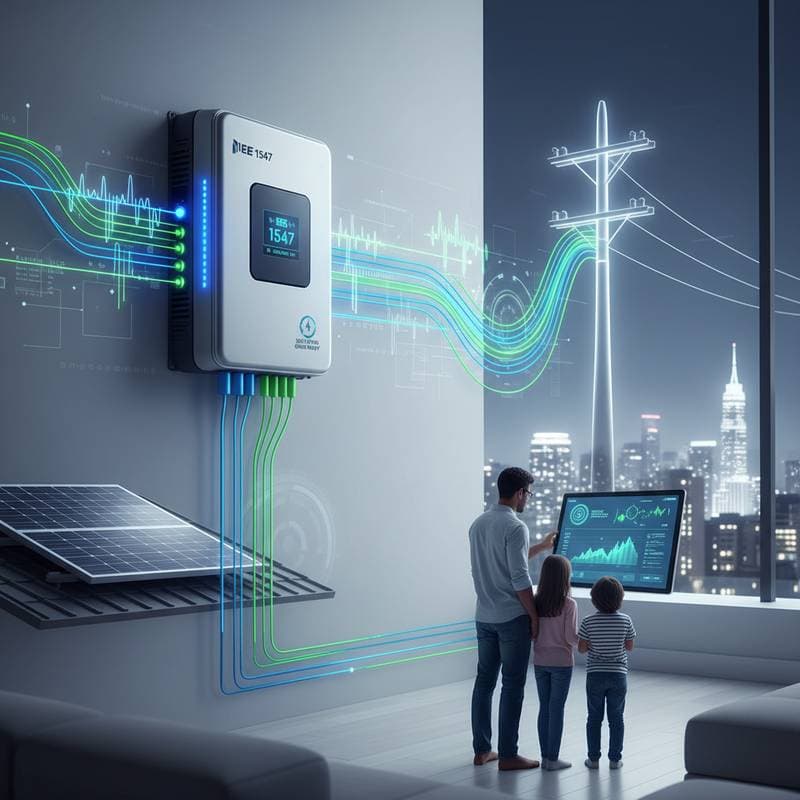
Many homeowners hear about new grid standards that alter how solar systems connect to the utility network. These standards shape the operation and interaction of smart inverters with local power systems. Solar users experience enhanced reliability, improved grid communication, and increased energy independence. The changes appear technical, yet they deliver tangible benefits for homes equipped with rooftop solar in Philadelphia and surrounding areas.
Why Smart Inverters Matter
Traditional inverters convert direct current from solar panels into alternating current for household use. Smart inverters advance this process by communicating with the grid, adjusting output, and responding to shifts in voltage or frequency. This capability prevents outages and bolsters grid stability.
Consider a neighborhood with numerous solar-equipped homes. Fluctuations in sunlight intensity cause variations in power output. Smart inverters detect these changes and respond promptly to maintain steady power quality. They also supply reactive power to balance voltage, safeguarding home electronics and utility infrastructure.
What the New Rules Require
The forthcoming grid standards, known as IEEE 1547 updates, specify behaviors for all new grid-tied inverters. These standards detail communication protocols, response times, and safety protocols. The objective ensures advanced coordination across every inverter on the grid.
Under these requirements, inverters must:
- Ride through disturbances by remaining connected during minor voltage or frequency variations rather than disconnecting immediately.
- Communicate with utilities via secure, open protocols.
- Provide reactive power control to regulate local voltage levels.
- Operate autonomously during communication outages to preserve system stability.
These features position solar systems as active contributors to the grid, beyond mere energy generation.
How It Affects Homeowners
Homeowners installing solar systems find that new inverter capabilities integrate seamlessly. Contemporary inverters incorporate many advanced functions already. Utilities soon mandate activation and testing of these features during interconnection.
A standard 7 kW residential solar system in Philadelphia generates approximately 9,100 kWh annually, based on 1,300 kWh per kW with moderate shading. At a utility rate of 24 cents per kWh, this offsets about $2,180 before fixed fees. A smart inverter compliant with new rules responds effectively to grid events, sustains production during voltage dips, and potentially increases usable energy by a few percent yearly.
Installation and Cost Impact
Smart inverters incur a modest premium over basic models, typically $300 to $600 more for residential setups. The advantages frequently justify this expense. Enhanced grid support minimizes local outages and promotes inverter longevity through stable performance.
Solar installers commonly deploy equipment aligned with upcoming standards. Homeowners verify compliance in writing during quote comparisons. Request the inverter model details and confirmation of adherence to IEEE 1547 or equivalent standards.
Incentives and Utility Coordination
Utilities and state programs extend incentives for systems meeting advanced interconnection criteria. Certain utilities compensate for smart inverter contributions to voltage regulation or grid balancing. Others expedite approvals or simplify net metering processes.
Prior to contracting, contact the utility interconnection team. A brief phone call or online inquiry confirms eligible inverter models. This precaution prevents delays and eliminates needs for subsequent modifications.
Maintenance and Monitoring
Smart inverters feature remote monitoring that displays real-time production, voltage, and frequency information. Systems deliver app-based alerts for performance declines or grid communication interruptions. Homeowners monitor daily energy output and detect problems promptly.
Maintenance involves straightforward tasks. Clear inverter vents, inspect panels for debris, and examine online data monthly. Warranties typically span ten years or more, with options for extended protection from manufacturers.
Hidden Benefits
New grid standards foster intelligent coordination between residences and utilities. This approach diminishes requirements for costly infrastructure upgrades and curbs long-term expenses. Enhanced reliability serves the broader community, extending past solar adopters.
Properties with energy storage gain additional value. Batteries integrated with compliant inverters charge or discharge strategically to aid the grid and leverage time-of-use rates. This adaptability yields greater savings and outage resilience.
Next Steps for Homeowners
- Gather your last 12 months of utility bills to assess usage patterns.
- Solicit multiple quotes based on consistent system size and production estimates.
- Verify inverter compliance with IEEE 1547 or current grid standards.
- Explore incentives available from state, city, or utility sources.
- Conduct a shade study to evaluate roof suitability for solar.
These actions equip homeowners for the evolving grid landscape and guarantee long-term system efficiency. Smart inverters represent more than a technical evolution. They form the basis for sustainable, dependable energy originating from individual homes.
FAQ
What makes an inverter “smart”?
A smart inverter communicates with the grid, regulates voltage or frequency, and remains operational during minor disturbances.
How do the new rules impact existing solar systems?
Existing systems may require inverter upgrades or firmware updates to comply, depending on utility mandates. Consult your installer for assessment.
What is IEEE 1547?
IEEE 1547 establishes interconnection and interoperability standards for distributed energy resources like solar inverters with electric power systems.
Do smart inverters increase solar costs significantly?
The added cost ranges from $300 to $600, but incentives and efficiency gains often offset this over time.
Where can I learn more?
Contact your solar installer or review your utility’s interconnection guidelines for local requirements.