
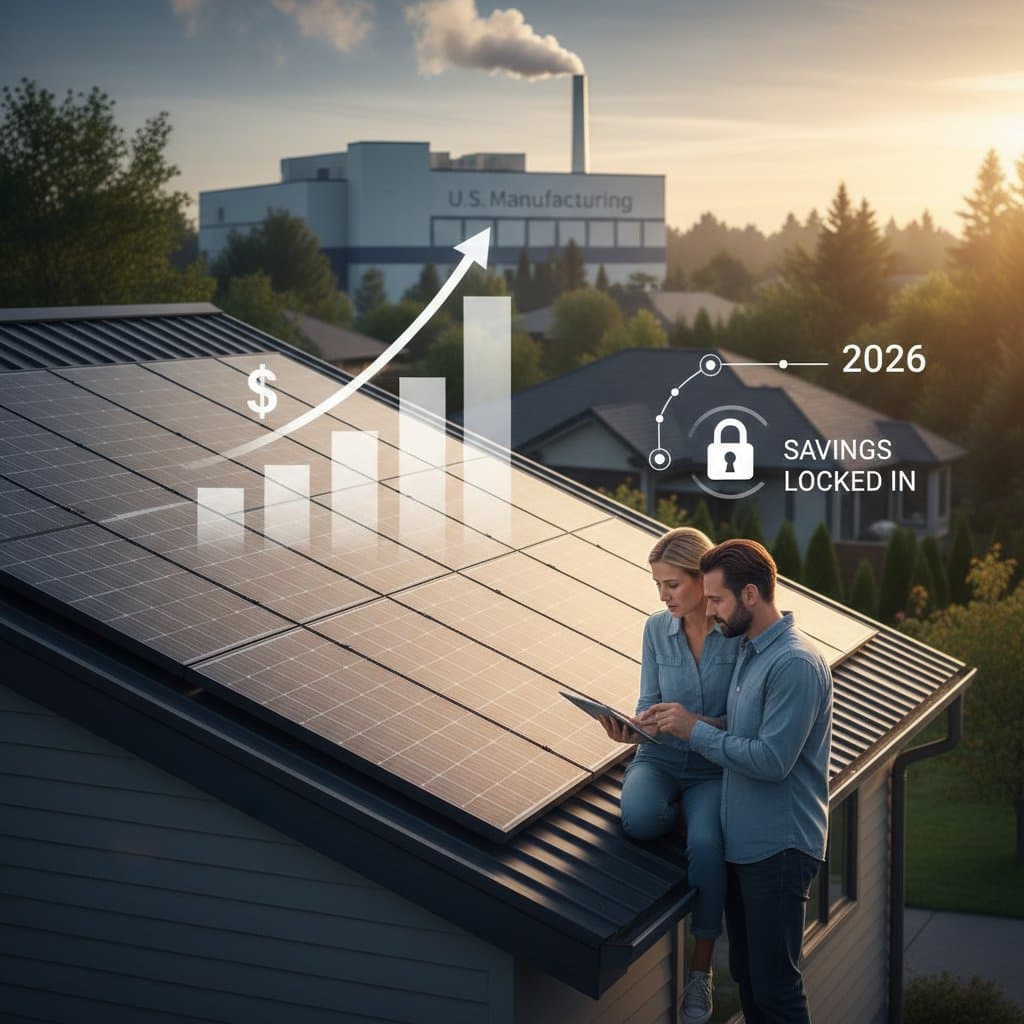
Understanding the 2026 Solar Tariffs
The United States government plans to implement new tariffs on imported solar panels starting in 2026. These measures target panels from countries with significant market dominance, such as those in Southeast Asia. The goal is to protect American manufacturers by making foreign products less competitive through added duties.
This policy shift responds to concerns over unfair trade practices and supply chain vulnerabilities. Solar panel prices have dropped dramatically in recent years due to global oversupply. However, tariffs could reverse some of those gains, prompting homeowners to reassess their installation plans.
Industry experts predict these tariffs will apply to a broad range of imported components, including cells and modules. Domestic production currently meets only a fraction of demand, so reliance on imports remains high. Homeowners must consider these changes early to avoid unexpected cost hikes.
Breaking Down the Cost Impact
Analyses indicate that the average residential solar system could see an additional $700 in costs due to these tariffs. This figure accounts for the typical 6-8 kilowatt setup common in many homes. Panels represent about 25 percent of total system expenses, so even a modest price increase per panel translates to noticeable overall effects.
For example, if tariffs raise the price of a single panel by 15 percent, a system requiring 20 panels faces a direct hit of around $500 to $800. Installation and permitting fees stay constant, but the upfront investment grows. Businesses and larger projects may experience even steeper rises, depending on scale.
Beyond panels, related components like inverters and mounting hardware could face indirect pressures if global supply chains adjust. Homeowners in high-sunshine regions, where solar payback periods are shorter, might still find the investment worthwhile despite the increase. Careful budgeting becomes essential to maintain project viability.
Timing Your Solar Project Strategically
With tariffs set for 2026, the window to install without added costs narrows. Current import rules allow duty-free entry for certain solar products under existing agreements. Purchasing and installing before the deadline could lock in lower prices and preserve savings.
Professionals recommend starting consultations in early 2025 to align with permitting timelines, which often span several months. Delays in supply or labor could push projects into the tariff era unintentionally. Early action also positions homeowners to claim full federal tax credits before any potential policy adjustments.
Regional factors influence optimal timing. In areas with net metering policies, quicker installations maximize energy bill offsets. Monitoring legislative updates through reliable industry sources ensures informed decisions without last-minute rushes.
Exploring Sourcing Options and Incentives
Homeowners have choices in panel sourcing to mitigate tariff effects. Opting for U.S.-made panels avoids import duties entirely, though availability and pricing vary. Manufacturers in states like California and Georgia ramp up production to meet growing demand.
The federal Investment Tax Credit covers 30 percent of system costs through 2032, providing a buffer against price rises. State-level rebates and loans further reduce net expenses. Combining these incentives with bulk purchasing or community solar programs enhances affordability.
Supply chain diversification emerges as a key strategy. Some installers partner with multiple suppliers to blend domestic and tariff-exempt imports. This approach balances cost and reliability, ensuring projects proceed smoothly regardless of trade shifts.
Long-Term Advantages for the Solar Industry
While short-term costs rise, tariffs promise benefits for the U.S. solar sector. Increased domestic manufacturing creates jobs and reduces dependence on volatile international markets. Over time, local production efficiencies could lower prices and improve quality control.
Innovation accelerates as American firms invest in advanced technologies, such as higher-efficiency panels. This strengthens national energy security and supports climate goals by expanding clean power access. Homeowners who install now contribute to this sustainable transition.
Global competition may intensify, but a robust U.S. industry positions solar as a cornerstone of future energy needs. Early adopters gain from stable supplies and potential price stabilization post-2026.
Steps to Secure Your Solar Investment
Begin by obtaining multiple quotes from certified installers familiar with tariff implications. Compare systems using domestic versus imported components to identify the best value. Factor in energy production estimates based on your home's location and consumption.
Review financing options, including loans with favorable terms that offset upfront costs. Track incentive deadlines to maximize returns. Consulting a solar advisor helps tailor a plan that aligns with your budget and timeline.
By acting proactively, homeowners turn potential challenges into opportunities. Solar remains a smart choice for reducing utility bills and environmental impact, even amid policy changes. Secure your system today for lasting energy independence.