
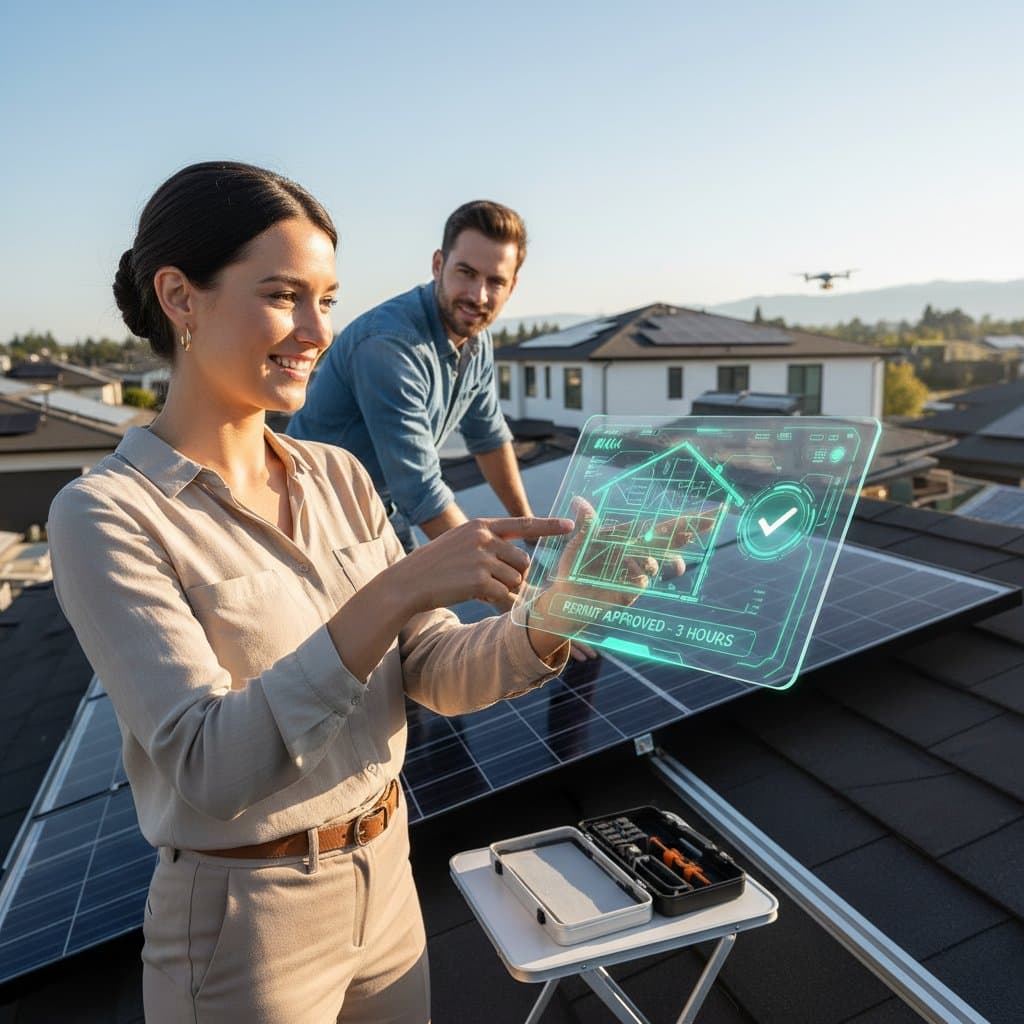
Fast-Track Apps Revolutionize DIY Solar Permitting by 2026
Homeowners who want to install rooftop solar often face one major obstacle before a single panel is mounted. The permit process can stall projects for weeks when local rules vary and approvals move slowly. Fast-track solar permitting apps change that dynamic. These digital tools automate code checks, pre-qualify projects, and simplify paperwork for many do-it-yourself installers.
The Permitting Bottleneck
Many local permitting offices still rely on manual plan reviews. Paper applications move between departments that each check structural, electrical, and zoning requirements. A single missing document can send the file back for revision and delay work for weeks. Fast-track apps reduce these delays by using standardized forms and automated validation. In cities that adopt this technology, simple residential rooftop systems can receive instant authorization once all criteria are met.
Safety Always Comes First
Quicker permits do not mean lower safety standards. Every electrical connection, grounding path, and equipment rating must still meet the National Electrical Code and any local amendments. Homeowners should remember these safety points before applying for a permit through a fast-track app.
- Use only listed solar equipment rated for residential use.
- Verify that roof structure and attachment points can handle the additional load.
- Include disconnects, overcurrent protection, and conduit runs exactly as shown in the approved design.
- Never modify approved plans without notifying the authority having jurisdiction.
If a homeowner is unsure about wiring, grounding, or service panel capacity, a licensed electrician must be consulted. Fast-track permitting speeds up paperwork, not technical judgment.
How Fast-Track Apps Work
These platforms act as digital gatekeepers. Instead of submitting a custom plan set, the homeowner or installer selects from predefined system templates that already comply with code. A typical app guides the user through several steps.
- Enter the project address, roof pitch, and material type. The software checks local zoning layers to confirm eligibility.
- Select the inverter type, module brand, and array size. The app automatically matches allowable configurations to pre-approved designs.
- Review conductor sizing, voltage drop, and breaker ratings through built-in calculators. The system flags any element that fails a check before submission.
- Generate a completed permit package that includes a one-line diagram, equipment datasheets, and site layout.
- Receive instant authorization if the design meets all automated checks. More complex systems are routed for manual review.
Reducing Errors and Rework
Traditional permits often fail on technicalities such as missing labels or incorrect conductor sizes. Automated review tools prevent these mistakes before submission. This improvement benefits both homeowners and local inspectors. Fewer rechecks allow inspectors to focus on field safety rather than paperwork.
The Role of Local Authorities
Municipalities still control final approval. Fast-track apps do not replace the authority having jurisdiction but serve as an extension of it. Local building departments define which system types qualify for instant permits and which require manual review. Inspectors retain full authority to stop work, request corrections, or deny approval if on-site conditions differ from the submitted design. Many jurisdictions require photo verification of completed installations before granting final approval.
What DIY Installers Should Know
DIY solar installations attract homeowners who want to save labor costs, yet some steps always require professional oversight. DIY-friendly tasks include mounting racking systems according to manufacturer torque and spacing guidelines, placing panels on rails after checking for secure attachment and watertight seals, and running low-voltage communication cables for monitoring systems. Professional-only tasks include connecting conductors inside the main service panel, performing final system energization and testing, and installing grid-interactive inverters and interconnection hardware. Homeowners should never attempt high-voltage wiring without training and proper tools.
Integration with Utility Interconnection
Fast-track permitting integrates well with utility interconnection portals. Once a permit is approved, data can transfer automatically to the utility for review. This step prevents duplicate uploads and shortens the waiting period before meter replacement or net metering activation. Some utilities already report faster turnaround times when fast-track apps are used.
Benefits Beyond Speed
The real advantage of fast-track permitting extends beyond faster approvals. Digital systems create a traceable record of every decision, document, and inspection note. Homeowners can access their permit history anytime, which helps when refinancing or selling the property. Contractors benefit from standardized workflows that reduce training time for new employees.
Common Pitfalls to Avoid
Even with automation, mistakes can occur. Homeowners should watch for inaccurate roof measurements that cause layout violations, incompatible equipment combinations not listed in the app database, skipped structural or electrical review steps, and assumptions that digital approval replaces on-site inspection. If any of these occur, the authority can revoke the permit. Always double-check entries before final submission.
Preparing for Your Solar Project
Fast-track solar permitting will continue to expand as more cities adopt standardized templates and open data systems. Before starting any solar project, contact the local building department or visit its website to confirm whether fast-track permitting is available. Use accurate structural and electrical information, upload all manufacturer datasheets as required, save digital copies of the approved permit and inspection results, and schedule inspections promptly once installation is complete. Fast-track apps handle paperwork while trained electricians handle electricity. Combining both ensures a safe, compliant, and efficient solar installation that performs reliably for decades.