
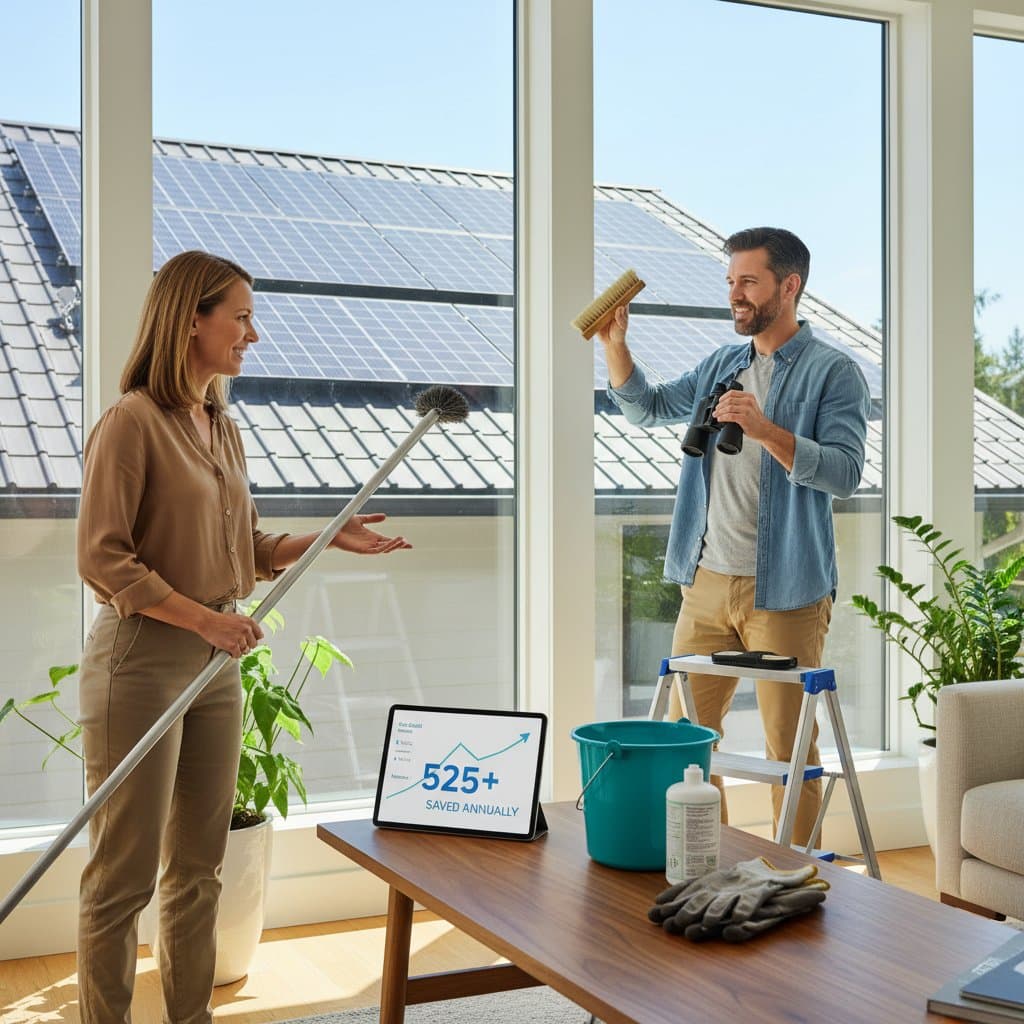
Understanding Solar Panel Maintenance
Solar panels represent a significant investment for homeowners seeking energy independence. Proper care ensures these systems operate at peak efficiency for decades. Neglect can lead to reduced output and premature wear, but simple DIY efforts prevent such issues.
Homeowners often overlook maintenance because professional services cost hundreds annually. Yet, basic tasks require minimal time and tools. This approach not only cuts expenses but also extends panel lifespan.
Benefits of Regular DIY Upkeep
Efficiency drops by up to 20 percent from accumulated dirt and debris on panels. Regular cleaning restores full production capacity. This directly translates to higher energy yields and lower utility bills.
Warranties from manufacturers typically demand proof of maintenance to remain valid. DIY records demonstrate diligence and protect against claim denials. Savings accumulate as avoided repairs and sustained performance add up over time.
Annual savings exceed $500 for average systems through prevented losses. Energy output monitoring reveals issues early, avoiding costly interventions. Homeowners gain peace of mind with a reliable, self-managed setup.
Essential Tools for DIY Maintenance
Gather basic supplies before starting any task. A soft-bristle brush removes dirt without scratching surfaces. Use deionized water to prevent mineral spots after rinsing.
Include a ladder for safe access to roof-mounted panels. Safety gear such as gloves and non-slip shoes is crucial. A multimeter helps check electrical connections during inspections.
Optional items like a leaf blower clear loose debris quickly. These tools cost under $100 initially and last for years. Invest in quality to ensure effective, damage-free care.
Step-by-Step Cleaning Process
Schedule cleaning every three to six months, depending on local dust levels. Begin early in the morning when panels are cool to avoid thermal stress. Turn off the system inverter for safety during the process.
Preparing the Area
Clear surrounding vegetation that shades panels. Remove loose leaves or branches with a blower. Inspect for bird droppings or pollen buildup, which corrode surfaces over time.
Gentle Cleaning Technique
Dilute mild soap in deionized water for the cleaning solution. Dip the brush and apply light pressure in circular motions. Rinse thoroughly from top to bottom to let water flow naturally.
Avoid high-pressure washers, as they can crack fragile cells. Dry panels with a squeegee if needed, though natural evaporation works well in sunny conditions. Reconnect the inverter once dry.
Conducting Visual Inspections
Monthly checks catch problems before they escalate. Look for cracks, discoloration, or delamination on panel surfaces. These signs indicate potential failure points requiring professional attention.
Examine mounting hardware for looseness or corrosion. Tighten bolts as necessary with appropriate wrenches. Check seals around edges to ensure weatherproofing remains intact.
Document findings with photos for warranty purposes. Note any changes over time to track system health. This proactive habit saves thousands in potential replacement costs.
Monitoring System Output
Use the inverter display or online portal to track daily production. Compare readings against expected yields based on sunlight hours and system size. A 10 percent drop signals cleaning or shading issues.
Install a simple energy meter if not included. Log monthly totals to identify seasonal patterns. Adjust habits, such as trimming trees, based on data insights.
Software apps from manufacturers provide alerts for anomalies. Regular review keeps output optimized year-round. This vigilance directly boosts return on investment.
Avoiding Common Pitfalls
Walking on panels risks structural damage, so use designated paths or harnesses. Never clean during peak heat, as water can cause thermal shock. Test all electrical components with power off to prevent shocks.
Overlooking shading from new growth reduces efficiency silently. Annual perimeter checks address this issue promptly. Ignore micro-inverter faults at your peril, as they compound losses.
Relying solely on rain for cleaning fails in dry climates. Consistent manual efforts outperform natural methods. Patience with these rules ensures safe, effective maintenance.
Maximizing Long-Term Savings
Consistent DIY care compounds benefits over the system's 25-year lifespan. Panels maintain 80 to 90 percent efficiency with proper upkeep. This reliability offsets initial installation costs faster.
Homeowners report reclaiming $500 to $1,000 yearly through avoided services and peak performance. Energy independence grows as bills shrink steadily. Share knowledge with neighbors to build community resilience.
Track your progress with a maintenance journal. Celebrate milestones like the first year of savings. This practice transforms solar ownership into a rewarding, cost-effective endeavor.