
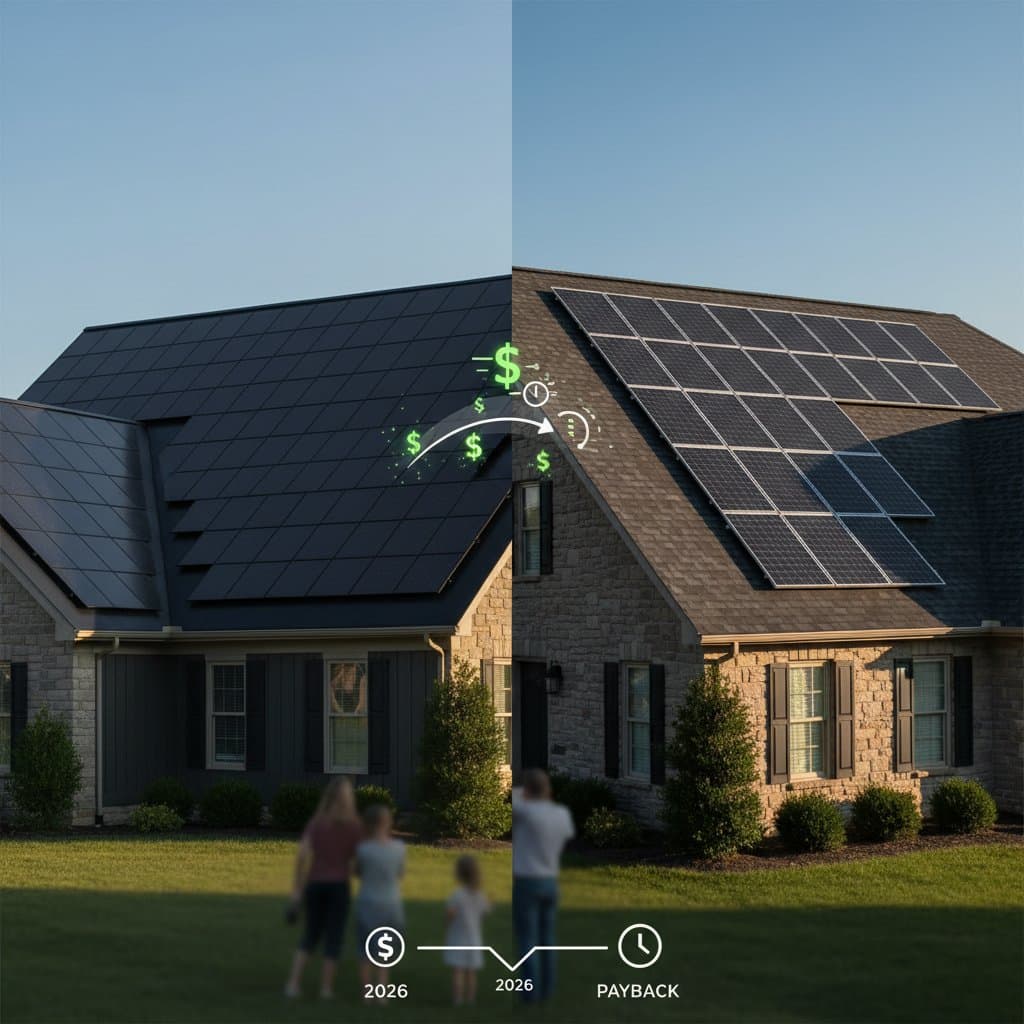
Solar Tiles Versus Asphalt Shingles: Which Delivers Quicker Return on Investment
Homeowners in Pennsylvania face increasing energy expenses and expanding local incentives. The debate centers on installation methods for solar energy: traditional asphalt shingles combined with mounted rooftop panels, or integrated solar tiles that function as both roof covering and energy generator.
This choice influences more than appearance. It impacts structural integrity, electrical efficiency, maintenance demands, and overall return on investment. The following analysis examines safety, financial aspects, and technical distinctions to support informed decisions for upcoming roof enhancements.
Overview of the Systems
Asphalt Shingles with Mounted Solar Panels
This configuration represents the standard approach to solar integration. Panels secure to racking systems that penetrate the shingle layer and fasten into underlying rafters. Flashing materials seal these entry points to minimize water intrusion risks. The shingles provide independent weather protection.
Key Benefits:
- Reduced initial expenses.
- Simplified panel replacement or technological upgrades.
- Suitability for a wide range of existing roof structures.
Key Drawbacks:
- Increased penetration points elevate potential for leaks without precise sealing.
- Additional load from mounting hardware and panels.
- Noticeable visual disparity between roofing material and solar components.
Integrated Solar Tiles
Solar tiles, also known as solar shingles, supplant traditional roofing entirely. Photovoltaic elements embed within each tile, encased in durable tempered glass and a weather-resistant substrate. Tiles connect seamlessly to create an unbroken, watertight barrier that also produces electricity.
Key Benefits:
- Streamlined design without exposed mounting elements.
- Multifunctional role eliminates the need for distinct roofing layers.
- Enhanced resistance to wind and impacts under proper installation.
Key Drawbacks:
- Elevated starting costs.
- Extended installation duration requiring specialized expertise.
- Intricate repair procedures for individual tile malfunctions.
Key Installation Factors
Structural Assessments
Integrated solar tiles impose greater weight per square foot compared to asphalt shingles. A structural engineer must assess roof framing prior to proceeding. Installers verify that decking, rafters, and attachment hardware align with manufacturer guidelines.
Asphalt-based setups generally add minimal weight, yet racking requires secure anchoring to rafters. Improper bolt placement or tension can result in water ingress or component shifting in strong winds.
Electrical Connections
Both configurations link to an inverter that transforms direct current from the solar array into alternating current for home consumption. Grounding and bonding protocols remain essential. Connections employ certified wire fittings and adhere to specified torque values from the manufacturer.
For roofs with multiple surfaces, installers balance string configurations to avoid voltage imbalances. A certified electrician handles all concluding connections, conduit installations, and bonding verifications.
Upkeep and Issue Resolution
Solar roofing systems, regardless of type, demand routine visual checks and surface cleaning. Accumulated dirt, pollen, or foliage obstructs sunlight and diminishes output. Employ a soft-bristle brush and gentle water pressure for maintenance. Steer clear of abrasive or chemical cleaners.
Common Indicators of Problems:
- Declining energy yield points to shading, accumulation, or inverter issues.
- Moisture marks beneath the roof deck indicate sealing failures.
- Deterioration on cables or connectors signals water exposure.
Upon detecting these signs, deactivate the system per manufacturer instructions and consult a qualified electrician or solar specialist. Professionals must oversee any panel or tile handling.
Return on Investment Analysis
Precise figures depend on regional factors and electricity rates, yet trends hold steady. Asphalt shingles with panels achieve breakeven sooner due to modest upfront outlay. Solar tiles recoup expenses over extended timelines but potentially excel in durability and reduced replacement needs.
Illustrative Cost Patterns:
- Asphalt with panels: Modest initial investment leads to prompt recovery.
- Solar tiles: Substantial starting price offsets with extended service life and integrated functionality.
When roof renewal coincides with solar adoption, solar tiles narrow the financial divide by incorporating roofing expenditures. For roofs in sound condition, mounted panels offer the more cost-effective path.
Design Appeal and Property Value Effects
Real estate professionals and prospective buyers view integrated solar roofs favorably. The unobtrusive profile and concealed wiring enhance curb appeal. Mounted panels provide comparable or superior energy benefits, though visible racks may disrupt traditional roof aesthetics.
Short-term sellers benefit from the affordability of asphalt and panels, maximizing net proceeds. Long-term residents find solar tiles attractive for their cohesive style and low-maintenance profile.
Coverage and Support Details
Solar tiles typically feature unified warranties encompassing power generation and structural performance. Ensure a single provider handles both elements. If responsibilities divide between entities, obtain documented protocols for service coordination.
Asphalt shingles and panels maintain distinct coverage terms. Roofing warranties apply to shingles alone, while solar guarantees address output. Validate compatibility and ongoing validity for combined installations.
Action Plan for Homeowners
Compile comprehensive details on expenses, energy generation, and protection terms before selection. Use this checklist to proceed:
- Confirm current roof status and remaining lifespan.
- Conduct structural capacity evaluation.
- Have electrical schematics approved by a licensed professional.
- Outline permitting and inspection requirements.
- Establish a detailed maintenance schedule.
With these elements addressed, evaluate full lifecycle expenses beyond initial costs. Dependable workmanship, regulatory compliance, and service commitments safeguard reliability and sustained efficiency.
Weighing Options for Lasting Benefits
Selecting between solar tiles and asphalt shingles hinges on priorities like budget, aesthetics, and timeline. Both options advance energy independence in Pennsylvania. Consult local experts to tailor the choice to specific home needs, ensuring optimal performance and value over decades.