
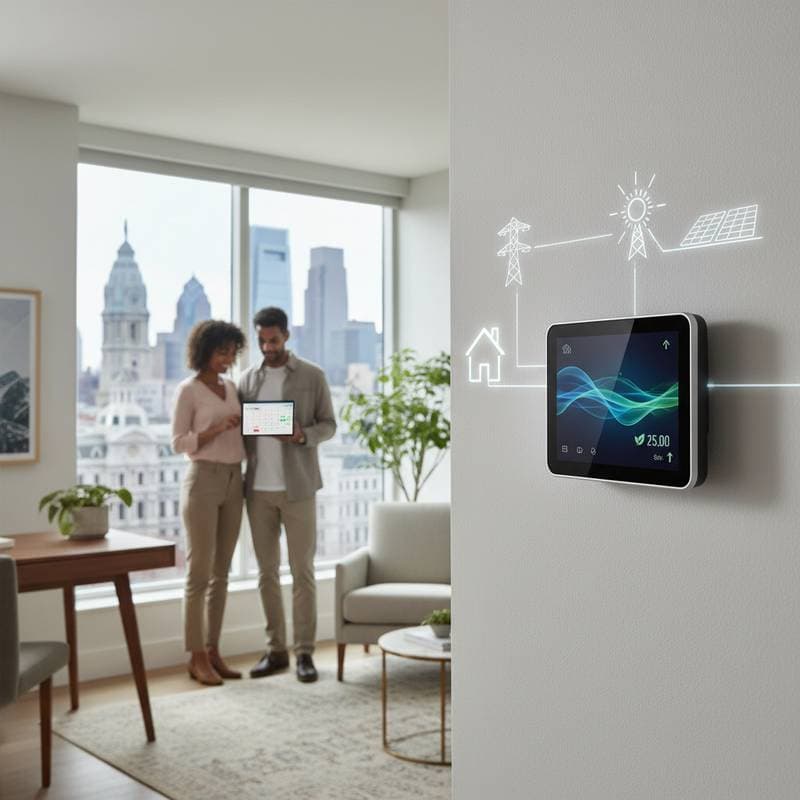
Smart Thermostats That Pay You Monthly Grid Credits
Smart thermostats represent a significant advancement in home energy management. These devices allow homeowners to control heating and cooling systems remotely, optimizing comfort while minimizing energy consumption. In Philadelphia, they offer an additional benefit: earning monthly grid credits through participation in utility demand response programs.
Grid credits function as financial incentives provided by utilities to encourage reduced energy use during peak demand periods. By adjusting thermostat settings automatically, homeowners help stabilize the electrical grid, which in turn lowers overall system costs. This mechanism supports a more sustainable energy infrastructure while providing direct savings to participants.
Understanding Demand Response Programs
Demand response programs coordinate with utilities to shift energy usage away from high-demand times, such as hot summer afternoons or cold winter evenings. In Philadelphia, PECO Energy administers such initiatives, rewarding participants with credits applied directly to monthly bills. Smart thermostats integrate seamlessly with these programs, enabling automated adjustments without manual intervention.
Eligibility typically requires enrollment through the utility's portal or app. Once registered, the thermostat receives signals from the utility to slightly raise or lower temperatures during peak events, often by just one or two degrees. These adjustments occur infrequently and preserve home comfort, as the devices learn user preferences over time.
Homeowners in the Philadelphia area can expect credits ranging from five to twenty dollars per event, depending on the program's structure and participation frequency. Over a year, these incentives accumulate, potentially offsetting the device's initial cost within the first season of use.
Integrating Smart Thermostats with Solar Systems
For Philadelphia residents with solar installations, smart thermostats enhance system efficiency. Solar panels generate the most power during daylight hours, aligning perfectly with peak demand periods when credits are earned. By reducing reliance on grid power during these times, homeowners maximize self-consumption of solar energy, further lowering bills.
Consider a typical setup: a rooftop solar array paired with a smart thermostat like the Nest Learning Thermostat or Ecobee SmartThermostat. During a demand response event, the thermostat might increase the setpoint by two degrees, drawing less from the grid and more from stored solar energy via batteries if available. This synergy not only boosts credits but also extends the lifespan of solar components by balancing load.
Philadelphia's solar-friendly policies, including net metering, amplify these benefits. Excess solar production credits the account, and demand response participation adds another layer of savings. Residents can consult local installers to ensure compatibility between their solar setup and chosen thermostat model.
Choosing the Right Smart Thermostat
Selecting a suitable device involves evaluating features, compatibility, and program integration. Look for models certified for demand response, such as those supporting the OpenADR standard used by utilities. Key considerations include:
- Energy Savings Features: Geofencing that adjusts settings based on occupancy, and scheduling options for optimal efficiency.
- Smart Home Integration: Compatibility with platforms like Google Home, Amazon Alexa, or Apple HomeKit for broader automation.
- Utility Partnerships: Devices pre-enrolled or easily linked to PECO's programs, simplifying setup.
Popular options in Philadelphia include the Honeywell Home T10 Pro, which offers robust humidity control ideal for the region's variable climate, and the Emerson Sensi Touch, known for its affordability and straightforward interface. Each model provides detailed energy reports, helping users track savings and credit earnings.
Installation proves straightforward for most users, often requiring only a screwdriver and basic wiring knowledge. Professional installation services, available through local HVAC providers, ensure seamless integration, particularly for older homes with unique systems.
Steps to Enroll and Start Earning Credits
Getting started requires a few practical steps to unlock these benefits. First, verify eligibility by visiting the PECO website or contacting customer service to confirm participation in their demand response program. Next, purchase and install a compatible smart thermostat from authorized retailers.
- Create an account on the thermostat manufacturer's app and connect it to your home Wi-Fi network.
- Enroll the device in PECO's program through their online portal, providing the thermostat's unique identifier.
- Set baseline preferences, allowing the system to learn your routine and minimize disruptions during events.
- Monitor progress via the app, where notifications alert you to upcoming events and post-event credits.
Philadelphia homeowners should note that programs may vary by season, with summer cooling events offering higher incentives due to air conditioning demands. Regular software updates keep the device aligned with utility requirements, ensuring consistent performance.
Long-Term Savings and Environmental Impact
Beyond immediate credits, smart thermostats contribute to substantial annual savings on energy bills. Studies indicate average households reduce heating and cooling costs by ten to twenty percent through intelligent automation. In a city like Philadelphia, where winters bring heating challenges and summers demand cooling, these efficiencies prove invaluable.
Environmentally, participation reduces carbon emissions by easing grid strain, supporting the region's transition to renewable energy. When combined with solar, the impact multiplies, as homes generate and use cleaner power more effectively. This approach aligns with Philadelphia's sustainability goals, fostering a greener urban landscape.
Homeowners who adopt these technologies often report improved comfort and peace of mind. The devices provide remote access, alerting users to issues like filter changes or unusual energy spikes. Over time, the combination of credits, bill reductions, and solar optimization transforms routine temperature control into a powerful tool for financial and ecological stewardship.