
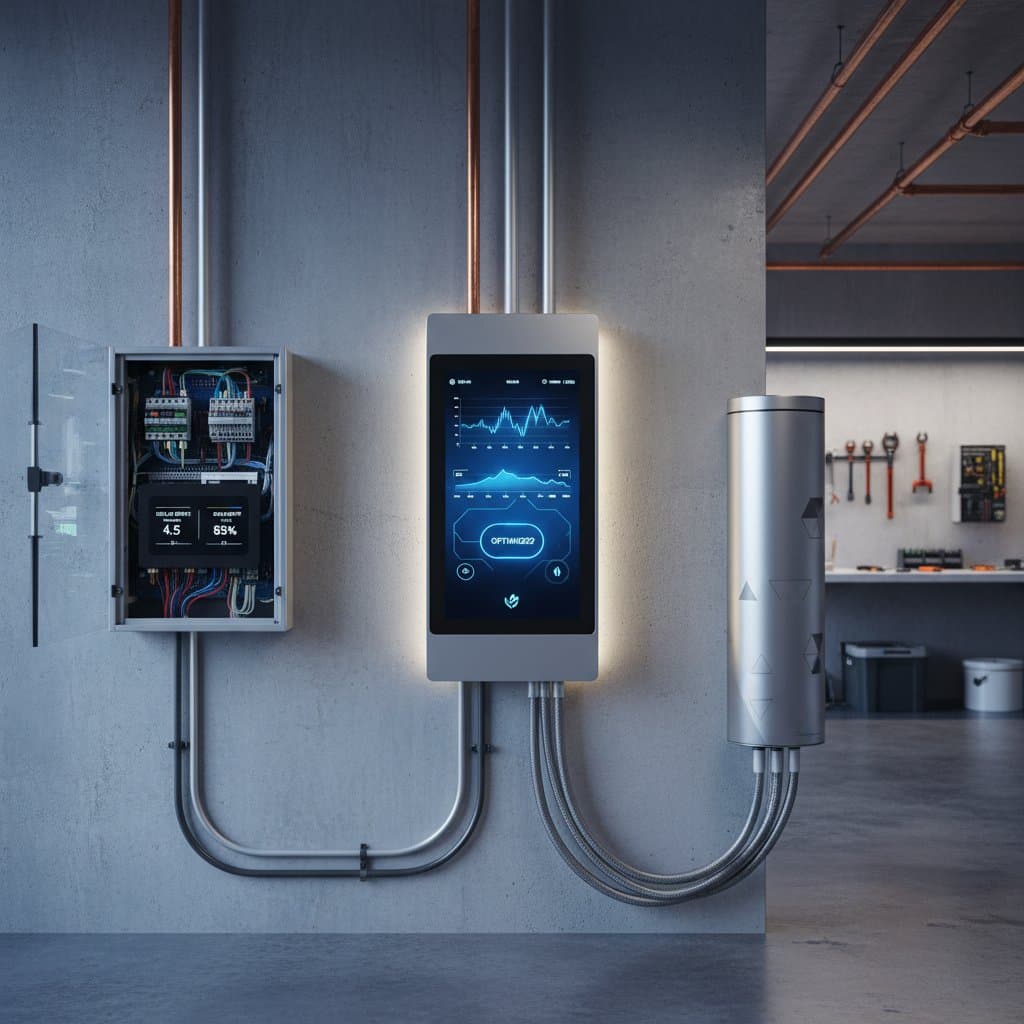
How AI Thermostats Slash Energy Bills by Aligning Usage with Price Fluctuations
Understanding AI Thermostats and Their Role in Energy Savings
AI thermostats represent the next evolution in smart home technology. These devices use artificial intelligence to learn household patterns and adjust temperatures automatically. By analyzing data from utility providers, they anticipate electricity price changes and shift energy-intensive tasks to off-peak hours.
In regions like Philadelphia, where energy costs fluctuate due to seasonal demand and grid constraints, this capability proves invaluable. Homeowners benefit from lower bills without sacrificing comfort. The technology integrates seamlessly with existing HVAC systems, making adoption straightforward.
How AI Thermostats Predict and Respond to Price Dips
AI thermostats employ machine learning algorithms to forecast electricity rates. They access real-time data from local utilities and weather services to model future pricing. For instance, if prices dip during midday solar generation peaks, the thermostat pre-cools the home in advance.
This predictive approach ensures energy use aligns with low-cost periods. Users receive notifications about upcoming savings opportunities, empowering informed decisions. Over time, the system refines its predictions based on historical usage, enhancing accuracy.
In 2026, with anticipated grid upgrades and renewable integration, these forecasts will become even more precise. Philadelphia residents can expect tools that factor in local solar incentives and time-of-use tariffs. Such features turn passive devices into active financial allies.
Integration with Solar Panels and Battery Systems
Pairing AI thermostats with solar installations amplifies savings. During high solar production, excess energy charges batteries at minimal cost. The thermostat then draws from storage during expensive evening peaks, avoiding grid reliance.
This synergy optimizes self-consumption of solar power. In Philadelphia, where net metering policies reward efficient use, homeowners maximize rebates. Batteries store surplus daytime energy, which the AI schedules for release when prices rise.
Advanced models support whole-home energy management. They coordinate with electric vehicles and appliances, creating a unified efficiency ecosystem. Resulting reductions in carbon emissions align with regional sustainability goals.
Real-World Benefits for Philadelphia Homes
Philadelphia households face average annual electricity bills exceeding $1,500, driven by heating needs and urban density. AI thermostats address this by cutting usage by up to 20 percent through intelligent scheduling. Savings compound with solar adoption, potentially halving costs over time.
Comfort remains uncompromised, as the AI maintains preferred temperatures within tight margins. Families appreciate remote control via apps, allowing adjustments from anywhere. Elderly residents or those with medical needs find reliability in consistent climate control.
Environmental gains include reduced fossil fuel dependence. By shifting loads to renewable-heavy periods, these devices lower the home's carbon footprint. Philadelphia's push toward 100 percent clean energy by 2035 makes such tools essential for compliance and contribution.
Choosing the Right AI Thermostat for Your Home
Select a model compatible with your HVAC setup and solar inverter. Look for features like dynamic pricing integration and open APIs for third-party battery syncing. Brands such as Nest or Ecobee offer robust options tailored to variable-rate plans.
Evaluate energy savings guarantees; many provide trial periods or rebates through local utilities. Consider installation ease; professional setup ensures optimal sensor placement for accurate zoning. Budget for models under $300, which deliver quick ROI.
- Assess your current energy bill to identify peak usage times.
- Research local utility tariffs for time-of-use rates.
- Test app interfaces for user-friendliness.
- Verify compatibility with Philadelphia's solar rebate programs.
Steps to Install and Optimize Your AI Thermostat
Begin with a site survey to position the device away from drafts or direct sunlight. Professional installers handle wiring in under an hour, often at no extra cost with rebates. Once connected, input household schedules and preferences to train the AI.
Link the thermostat to your solar monitoring system for seamless data flow. Enable geofencing to adjust settings based on occupancy. Regularly update firmware to access new pricing algorithms and efficiency tweaks.
Monitor performance through built-in dashboards, which track savings monthly. Adjust learning modes if initial predictions miss patterns. Over weeks, the system adapts, delivering consistent results.
Maximizing Long-Term Savings and Sustainability
AI thermostats pay for themselves rapidly through bill reductions. In Philadelphia, combined with solar tax credits, payback occurs in 18 to 24 months. Ongoing savings support home upgrades, like additional insulation or EV charging.
These devices foster energy awareness, encouraging broader efficiency habits. Communities benefit from aggregated demand shifts, easing grid strain during peaks. As technology advances, expect deeper integrations with smart city initiatives.
Embrace AI thermostats to secure financial and environmental wins. They transform energy management from chore to advantage, empowering Philadelphia homes toward resilient, low-cost living.