
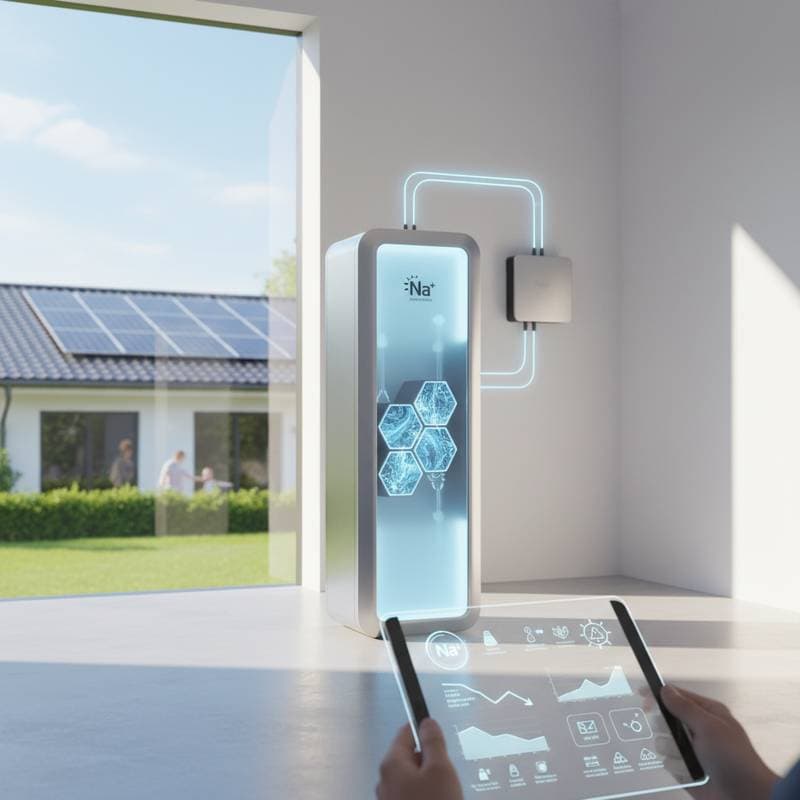
Sodium-Ion Batteries: A Cost-Effective Solution for Solar Storage
Solar energy systems involve multiple components, from panels to inverters. Among these, battery storage often presents the greatest expense. Sodium-ion batteries emerge as a viable option to address this, leveraging abundant materials for lower production costs and reliable performance in residential applications. For Philadelphia homeowners, this technology signals a shift toward more affordable energy independence.
The Role of Energy Storage in Solar Systems
Solar panels generate power only during daylight hours. Storage solutions capture surplus energy for use at night or on overcast days. These batteries enhance self-sufficiency, safeguard against power disruptions, and optimize returns on solar investments. They also aid grid stability by enabling energy use during off-peak periods.
High costs have limited widespread adoption of lithium-ion batteries, which depend on scarce minerals. Sodium-ion batteries address these drawbacks by substituting sodium, derived from ubiquitous salt sources, for lithium. This change promises reduced expenses and minimized supply vulnerabilities.
Fundamentals of Sodium-Ion Technology
Sodium-ion batteries operate on principles similar to lithium-ion counterparts. Ions shuttle between electrodes through an electrolyte during charging and discharging. In sodium-ion designs, sodium ions migrate from cathode to anode when charging, then reverse to generate power.
Sodium ions exceed lithium ions in size, resulting in somewhat lower energy density. However, the electrodes employ inexpensive, readily available materials. This balance favors cost savings over maximum density, ideal for stationary home storage.
Advantages in Materials and Pricing
Lithium extraction occurs in specific global regions, involving resource-intensive processes. Sodium, extracted from widespread salt deposits, incurs far lower costs per ton. Large-scale manufacturing benefits from this accessibility, stabilizing prices and reducing geopolitical risks.
Cathodes in sodium-ion batteries frequently incorporate iron or manganese, bypassing costly cobalt and nickel. Anodes utilize hard carbon from sustainable sources like biomass. These choices diminish environmental harm and price fluctuations, fostering economical solar storage.
Performance Metrics
Sodium-ion batteries exhibit energy densities of 120 to 180 watt-hours per kilogram, compared to 250 for lithium-ion. For fixed installations, such as those in garages, this trade-off proves negligible against substantial cost reductions.
These batteries endure 3,000 to 5,000 cycles while retaining over 80 percent capacity, aligning with residential lithium standards. Efficiency reaches 85 to 92 percent round-trip, with minimal practical differences. Notably, sodium-ion variants perform well in cold weather, preserving capacity where lithium falters.
Comparing Home System Costs
A 7-kilowatt solar array in Philadelphia might yield 9,100 kilowatt-hours yearly. An average home consumes 10,000 kilowatt-hours, exporting excess at reduced rates without storage.
A 10-kilowatt-hour lithium-ion battery installation costs approximately $9,000. Sodium-ion equivalents could drop to $6,000 at scale, accelerating payback by one to two years. Storing 3,000 kilowatt-hours annually at 18 cents per kilowatt-hour saves $540 yearly, yielding $5,400 over a decade, excluding incentives.
Environmental and Sustainability Gains
Sodium-ion batteries sidestep the ecological challenges of lithium, cobalt, and nickel mining, which disrupt habitats and produce waste. Salt-based sourcing leverages existing infrastructure, easing processing demands.
Production requires less humidity control due to material stability, cutting energy needs. End-of-life recycling proves straightforward, with non-toxic parts facilitating recovery and supporting circular practices.
Enhanced Safety Features
Sodium-ion batteries resist thermal runaway better than lithium-ion, enduring higher temperatures without decomposition. This trait suits home environments, minimizing fire risks.
Simpler management systems and reduced cooling needs follow, alongside safer transport. These factors contribute to overall cost efficiencies.
Integration with Grids and Utilities
Utilities pursue sodium-ion for utility-scale deployments due to its economics. Residential benefits arise as production scales, lowering prices for solar-paired systems.
These batteries enable net billing by retaining daytime surplus for evenings. They also facilitate demand response initiatives, where homes contribute to grid balance, cutting transmission inefficiencies.
Addressing Development Hurdles
Scaling sodium-ion production demands adaptations to existing lithium facilities. Energy density enhancements persist, though full parity with mobile applications remains distant.
Market acceptance hinges on certifications and data. Established suppliers entering the field will likely spur growth.
Evaluating Total Ownership Costs
A solar-plus-battery system with lithium storage might total $24,000. Sodium-ion options could reduce this to $21,000, easing financing.
Such setups often slash bills by 60 percent, saving $12,000 over 12 years with incentives. Cheaper batteries compress payback from nine to seven years, bolstering solar viability.
Preparing Systems for Sodium-Ion Adoption
Design current installations with flexibility. Select inverters compatible with diverse chemistries and allocate space for future batteries.
Ensure protocol alignment for monitoring and safety. Confirm local codes accept the battery type.
Ongoing Maintenance Practices
These batteries demand minimal upkeep. Position them in ventilated, temperature-moderate areas and update firmware regularly.
Avoid discharges below 10 percent. For disposal, consult manufacturers on recycling to reclaim materials like casings and electrodes.
Actionable Steps for Philadelphia Homeowners
- Evaluate site-specific solar output using regional tools.
- Investigate federal and Pennsylvania incentives for storage.
- Inquire with installers about inverter compatibility for sodium-ion.
- Prioritize warranties covering 10 years or 3,000 cycles.
- Provision electrical panels for expansions.
Sodium-ion batteries transition from prototypes to practical tools. Their arrival promises economical storage, empowering homeowners to harness solar energy effectively and sustainably.
FAQ
Are sodium-ion batteries ready for residential installation?
Pilot models appear in select markets, with broader availability anticipated as production grows.
What is the expected lifespan of sodium-ion batteries?
Designs aim for 3,000 to 5,000 cycles, equating to 10 to 15 years in typical solar homes.
Can sodium-ion batteries substitute for lithium-ion in existing setups?
Often, yes, provided inverters receive compatibility verification or updates.
What maintenance do sodium-ion batteries need?
Routine checks include temperature management and software updates via apps.
Do sodium-ion batteries offer superior safety?
Yes, their thermal resilience reduces overheating risks compared to lithium-ion.
What cost reductions are projected?
Material expenses may fall 30 to 50 percent, with supply chain maturity further decreasing installations.