
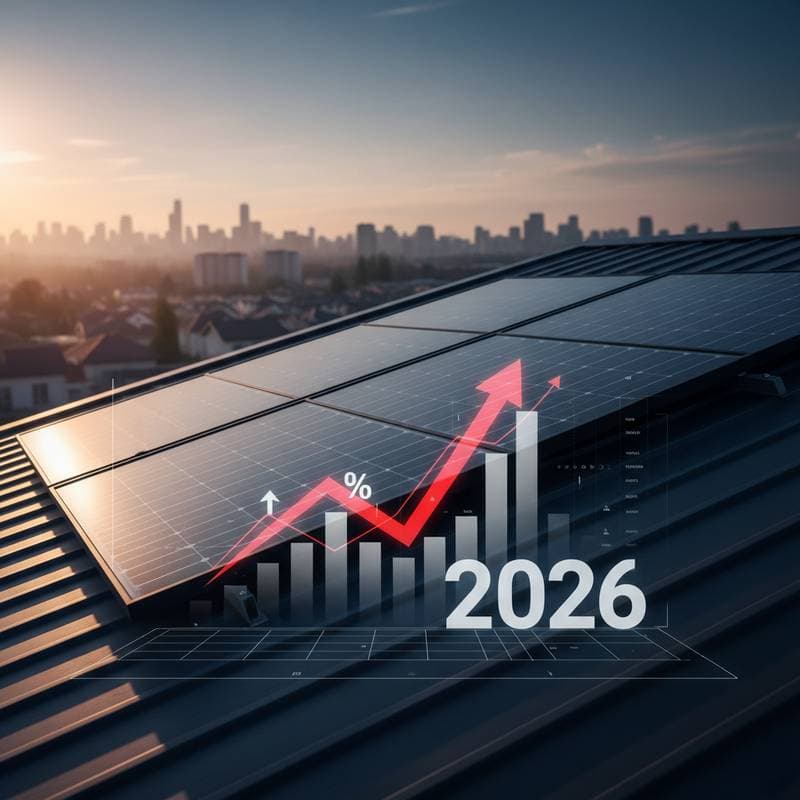
Solar Panel Prices Set to Jump 40% Ahead of 2026 Tariffs
Solar energy adoption continues to grow across the United States, driven by declining costs and environmental benefits. However, a significant shift looms on the horizon. Proposed import tariffs set for 2026 could elevate solar panel prices by approximately 40%, impacting homeowners and businesses planning installations.
This potential rise stems from policy changes aimed at protecting domestic manufacturing. As global supply chains face new restrictions, the cost of solar systems may increase substantially. Homeowners in regions like Philadelphia, where solar incentives abound, must act strategically to avoid higher expenses.
Understanding the 2026 Tariffs
The tariffs target imported solar components, primarily from major producers in Asia. Policymakers intend to bolster American manufacturing by imposing duties on panels and related materials. Implementation is scheduled for early 2026, following regulatory reviews and trade negotiations.
These measures build on previous trade actions, such as those from 2018, which temporarily disrupted supply chains. Unlike earlier efforts, the 2026 tariffs promise broader coverage, affecting a wider range of products. Industry analysts predict this will reduce reliance on foreign imports while encouraging local production.
For consumers, the immediate concern lies in pricing. Solar panels currently account for about 25% of total system costs. A 40% hike in panel prices would cascade through the entire installation, raising overall expenses by 10% to 15%.
The Direct Impact on Solar System Costs
Consider a typical residential solar setup in Pennsylvania, which generates 10 kilowatts and costs around $25,000 before incentives. With current panel prices at $0.80 per watt, the component alone runs about $8,000. Post-tariff, that figure could climb to $11,200, pushing the full system price toward $28,000.
Businesses face similar pressures. Commercial installations, often larger in scale, amplify the effect. A 50-kilowatt array might see an additional $20,000 in costs, delaying projects dependent on tight budgets.
Payback periods extend as a result. Systems that recoup investments in 6 to 8 years under current pricing may stretch to 9 or 10 years. This shift reduces the appeal of solar for cost-sensitive buyers, even with federal tax credits like the Investment Tax Credit at 30%.
Regional factors in Philadelphia add nuance. Local utility rebates and net metering policies help offset costs, but rising panel prices erode these advantages. Installers report increased inquiries from homeowners eager to beat the deadline.
Factors Influencing the Price Surge
Supply chain vulnerabilities play a key role. Over 80% of solar panels sold in the U.S. come from overseas, with limited domestic capacity to fill the gap immediately. Manufacturers may pass tariff costs directly to buyers, as margins remain thin in a competitive market.
Inflation and raw material fluctuations compound the issue. Polysilicon, a core panel ingredient, has seen volatile pricing. Tariffs could exacerbate shortages, driving further increases beyond the initial 40% estimate.
On the positive side, some diversification efforts are underway. U.S. factories in states like Georgia and Ohio ramp up production, but scaling takes time. By 2026, domestic options may mitigate only a portion of the impact.
Strategies to Lock in Savings Before 2026
Homeowners and businesses can take proactive steps to sidestep the tariff effects. Start by obtaining quotes now from certified installers. Many companies offer fixed-price contracts that shield against future hikes.
-
Assess your energy needs. Calculate annual consumption using utility bills to size the system appropriately. Oversizing avoids future expansions at higher costs.
-
Explore financing options. Solar loans and leases provide upfront affordability, with payments spread over time. Compare rates from banks and solar providers to find the best terms.
-
Maximize incentives. Federal credits apply regardless of timing, but state programs in Pennsylvania, such as the Solar Renewable Energy Certificate market, offer additional value. Apply early to secure rebates.
-
Consider storage integration. Pairing panels with batteries like those from Tesla enhances system resilience and qualifies for extra credits, improving long-term returns.
Timing matters greatly. Installations completed before 2026 avoid the tariff burden entirely. Delaying until after could mean thousands in added costs, particularly for larger projects.
Navigating Installation in a Changing Market
Selecting a reliable installer ensures quality and compliance. Look for NABCEP-certified professionals who adhere to local codes in Philadelphia. Request multiple bids and review warranties, which typically span 25 years for panels.
Permitting processes in urban areas like Philly require planning. City approvals can take 4 to 6 weeks, so factor this into timelines. Roof assessments confirm structural suitability, preventing costly modifications.
Maintenance remains straightforward. Panels require minimal upkeep, with cleaning every few years sufficient. Monitoring apps track performance, alerting owners to issues promptly.
Securing Your Solar Future Today
The 2026 tariffs present a clear call to action for solar adopters. By installing now, individuals and organizations preserve affordability and accelerate environmental benefits. Solar remains a smart investment, reducing energy bills and carbon footprints over decades.
In Philadelphia, where sunny days support strong output, the urgency is evident. Contact local experts to begin your journey. The window to capitalize on current pricing narrows, but opportunities for savings persist for those who plan ahead.