
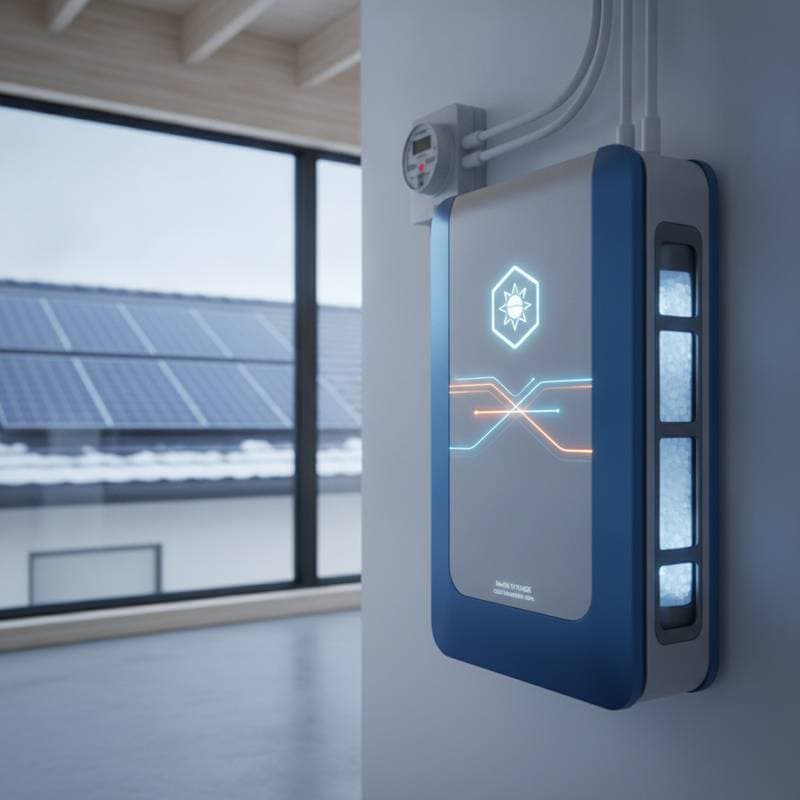
Sodium-Ion Batteries Offer an Affordable Alternative to Lithium Storage
Many homeowners exploring solar systems soon realize that storage is often the most expensive part of the project. Lithium-ion batteries have set the standard for home energy storage. Their price and material sourcing challenges leave some households waiting on the sidelines.
A new option is gaining attention. Sodium-ion batteries use abundant materials and promise lower costs while maintaining solid performance for daily home energy use.
Why Sodium-Ion Technology Matters
Sodium-ion batteries replace lithium with sodium, a common element found in salt. This simple shift changes the economics of storage. While lithium and nickel prices fluctuate widely, sodium remains inexpensive and easy to source. That difference has the potential to lower battery prices by 30 to 40 percent once production scales.
For solar homeowners, lower battery costs can shorten payback times and make backup power more affordable. A typical 10 kilowatt-hour lithium system may cost between 9,000 and 12,000 dollars installed. A sodium-ion alternative could reach the same capacity for closer to 6,000 to 8,000 dollars once available at scale.
How Sodium-Ion Batteries Function
Like lithium-ion cells, sodium-ion batteries move charged particles between a positive and negative electrode. When charging, sodium ions move from the cathode to the anode. When discharging, they move back and release electrical energy.
The main difference lies in the materials. Sodium is heavier and less energy-dense than lithium, which means a sodium battery stores slightly less energy per pound. The chemistry trade-off is acceptable for stationary systems where size and weight matter less than cost and reliability.
Performance and Lifespan Expectations
Energy density ranges from 100 to 160 watt-hours per kilogram for sodium-ion cells compared to 180 to 250 for lithium-ion. Cycle life, which measures how many times a battery can charge and discharge before losing capacity, is improving quickly. Many early sodium systems already approach 3,000 to 4,000 cycles.
This performance equals roughly ten years of daily cycling under typical home use. Efficiency during charging and discharging sits around 85 to 90 percent. Temperature tolerance is better since sodium-ion batteries handle cold conditions without as much capacity loss.
Environmental and Economic Advantages
Sodium is non-toxic and widely available. This reduces environmental pressure from mining. The battery cells do not rely on cobalt or nickel, metals often tied to high-impact extraction. Manufacturing with sodium also supports domestic supply chains since the raw materials can be sourced locally.
For homeowners, these factors translate to more stable prices and fewer supply shocks. When combined with solar panels, sodium storage can cut grid use by 60 to 80 percent depending on load patterns.
Market Outlook and Availability
Sodium-ion technology is moving from pilot production toward commercial scale. Early models target stationary storage first, followed by electric vehicles. For solar users, that means home systems could appear through major installers soon. Expect similar warranty terms to lithium systems, around ten years with performance guarantees.
Maintenance Requirements
Sodium-ion batteries require minimal maintenance. They can use the same inverters and control systems as lithium units with minor software adjustments. Monitoring apps track performance. Periodic checks ensure proper ventilation and wiring.
Keeping modules out of direct sunlight and in a dry location extends life.
Recommended Steps for Homeowners
- Review your energy bills to identify daily and seasonal usage patterns.
- Assess your roof and electrical panel to confirm capacity for solar and storage.
- Request multiple quotes and ask installers if sodium-ion options are available or upcoming.
- Compare total lifetime cost, including installation, incentives, and expected cycle life.
- Plan for future expansion since systems can often add capacity later as technology evolves.
Sodium-ion batteries will not replace lithium overnight. They offer an encouraging path toward inclusive, affordable storage. Every home that adopts reliable storage supports a more resilient grid and cleaner energy future.
FAQ
Are sodium-ion batteries safe for home use?
Yes. They have low fire risk and stable chemistry, making them well suited for residential settings.
How much space do they need?
A 10 kilowatt-hour system may need about 20 to 25 percent more space than a lithium system.
Can they work with existing solar arrays?
Most modern inverters will integrate with sodium-ion batteries through updated software.