
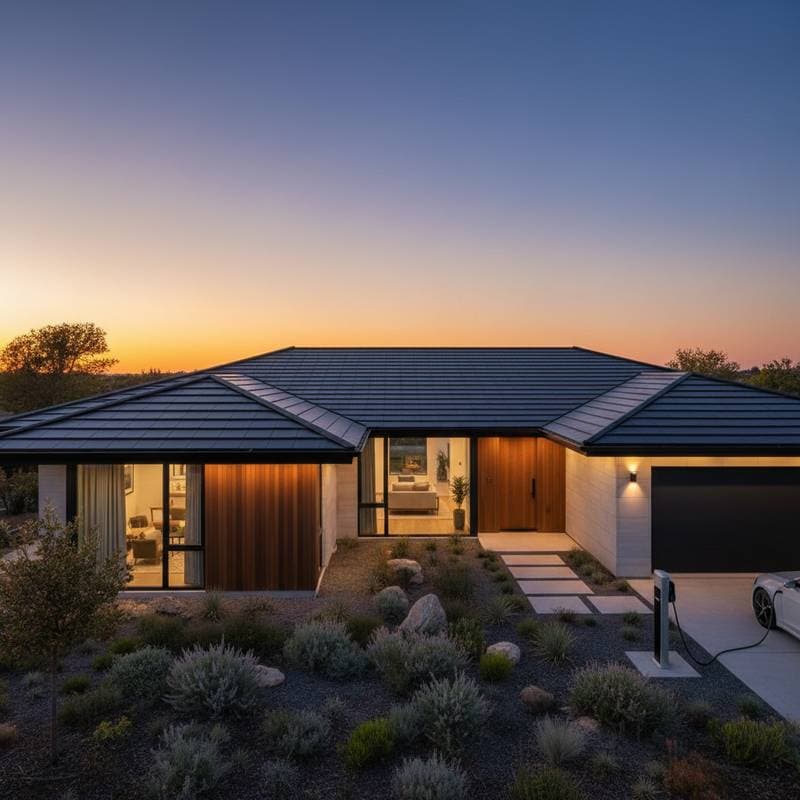
Smart Roof Tiles Deliver Solar Power at Eight Dollars Per Watt
Homeowners often seek solar energy yet resist the appearance of panels mounted above traditional shingles. Integrated roofing systems address this concern by combining power generation with weather protection in a single surface. New smart roof tiles priced near eight dollars per watt now provide a lower cost entry point compared with premium alternatives that exceed twelve dollars per watt.
Core Advantages for Homeowners
Rising utility rates prompt many households to pursue greater energy independence. Smart roof tiles replace conventional shingles with photovoltaic units that connect to form a complete roof. This approach eliminates the need for separate roofing and solar products while preserving the original architectural style.
Each tile incorporates crystalline silicon cells that convert sunlight into direct current. Hidden wiring channels link the tiles into strings that feed a central inverter or microinverters. A typical ten kilowatt installation produces roughly thirteen thousand kilowatt hours annually in sunny climates, yielding annual savings near three thousand one hundred dollars at twenty four cents per kilowatt hour.
Installation Process
Professional crews begin with a site assessment that evaluates roof pitch, shading, and structural capacity. Design software then models expected output using local solar data. The full replacement requires coordination of roofing and electrical permits, extending the timeline beyond a standard panel addition.
Financial Considerations
A six kilowatt system carries an installed cost of approximately forty eight thousand dollars before incentives. Federal and state credits commonly reduce the net investment to around thirty five thousand dollars. Annual savings of eighteen hundred dollars produce a payback near nineteen years, though higher local rates or additional rebates can shorten this period to fifteen years.
Homeowners planning a roof replacement can offset part of the expense because the tiles serve both structural and generation functions. Standard panels remain less expensive upfront at three to four dollars per watt, yet they do not replace existing roofing material.
Durability and Maintenance
Tempered glass and sealed electrical components allow the tiles to withstand wind, hail, and temperature extremes for roughly thirty years. Output declines about half a percent annually. Smartphone applications display real time production, and individual tiles can be swapped without disturbing large sections of the roof.
Available Support Programs
The same federal tax credits and net metering policies that apply to conventional arrays also cover smart roof tiles. Solar loans, home equity financing, and power purchase agreements provide additional pathways. Obtain three comparable proposals that list identical system size, production estimates, and incentive assumptions before signing any agreement.
Added Performance Benefits
The reflective surface reduces attic heat gain and can lower summer cooling loads. Some installations incorporate ventilation channels that further improve airflow. Insurance providers in certain areas recognize the fire resistance of these systems, and the finished roof often enhances resale appeal.
Selecting the Right Approach
Smart roof tiles suit projects where roof replacement is already scheduled or where appearance ranks as a primary concern. Traditional panels continue to offer the shortest payback when roof condition is not an issue. Compare lifetime costs that include replacement roofing, energy savings, and maintenance to determine the better fit for a given property.
Preparation Steps
- Gather twelve months of utility statements to establish baseline consumption.
- Schedule a shading study and structural inspection.
- Request proposals from three qualified installers using consistent assumptions.
- Verify current incentives and financing terms.
- Examine warranty coverage for both roofing and electrical performance.
- Arrange annual visual inspections and periodic cleaning.