
Sodium-Ion Batteries: Cheaper Tesla Storage by 2026
Many homeowners seek reliable backup power and lower energy bills yet face high battery prices alongside rising electricity rates. Solar panels reduce grid dependence, but most systems still use lithium-ion batteries. These units deliver strong performance yet rely on costly materials amid tightening supply chains. Sodium-ion batteries now emerge as a practical alternative that offers affordable, safe, and sustainable storage for homes and electric vehicles.
The same energy security once limited to premium systems will soon fit midrange budgets as the technology matures. Homeowners benefit from understanding how these batteries operate and what they mean for solar installations.
Performance Comparison
A typical lithium-ion cell provides about 250 watt-hours per kilogram. Sodium-ion cells currently reach 160 to 180 watt-hours per kilogram. The lower density requires greater weight to store equivalent energy. Stationary home batteries tolerate added mass because units sit in garages or basements.
Cycle life continues to improve. Some laboratory cells exceed 4,000 cycles before capacity falls below 80 percent. This performance supports more than ten years of daily use in most households. Sodium-ion chemistry also maintains higher efficiency in cold weather compared with lithium options. The trait suits variable climates such as the Northeast.
Environmental and Safety Benefits
Sodium-ion batteries eliminate cobalt and nickel. These metals often raise labor and environmental concerns. Cathodes instead use abundant materials including iron, manganese, and layered oxides. The components recycle more easily and pose lower toxicity at end of life. Electrolytes can also prove less flammable.
Thermal runaway occurs less often with sodium chemistry. Lower energy density and stable structure reduce fire risk. Homeowners therefore face fewer safety restrictions and reduced need for special ventilation. Sodium-ion units also retain capacity better at low temperatures, which simplifies climate control in storage spaces.
Current Adoption Challenges
Sodium-ion batteries remain in early commercial production. Volumes stay limited and few models carry certification for residential use. Initial products will likely serve electric scooters, small vehicles, and test sites before reaching homes. Energy density gains and extended cycle testing continue.
Early warranties may span five to seven years rather than ten or more. Buyers must verify inverter compatibility, safety certifications, and manufacturer track records before purchase.
Additional Home Advantages
Improved storage protects refrigerators, medical equipment, and internet service during outages. Evening solar consumption lowers peak grid demand and community emissions. Lower battery prices expand access to backup power for renters and moderate-income households.
Shared neighborhood systems can further stabilize voltage and reduce blackouts. These arrangements ease utility strain and defer costly infrastructure projects.
Preparation Steps for Homeowners
Homeowners can complete several tasks now to prepare for sodium-ion availability.
- Collect a full year of utility bills to map consumption patterns.
- Schedule a shade analysis with a local installer to evaluate roof potential.
- Request quotes that use identical assumptions about usage, sun hours, and rates.
- Monitor safety certifications once products enter the market.
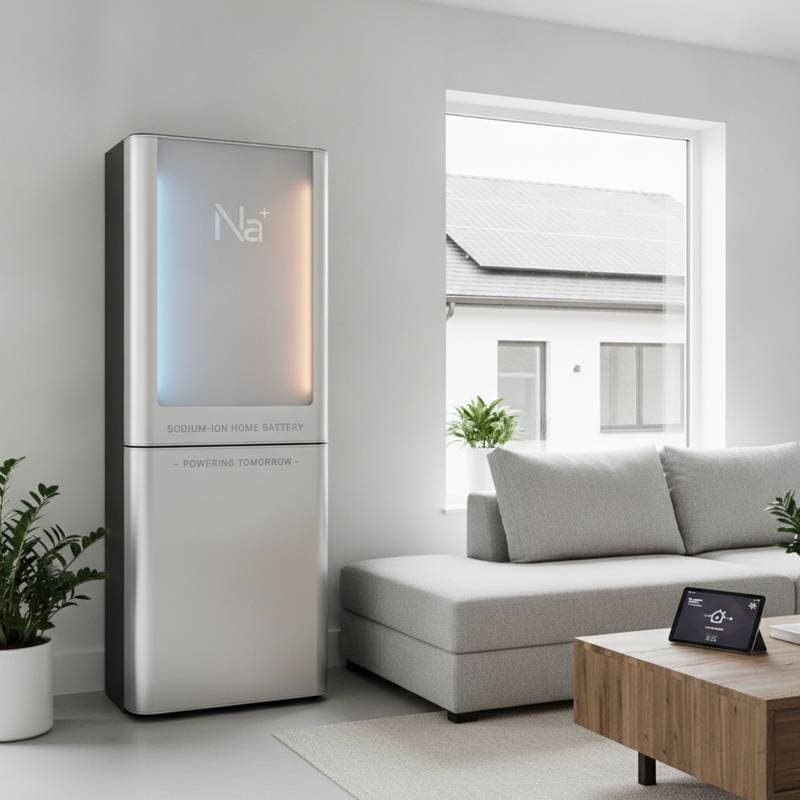
- Measure space near the inverter or main panel for a typical enclosure the size of a small refrigerator.
- Follow federal and state incentive updates that may cover new storage chemistries.
These actions position homeowners to move quickly when certified models arrive.
Maintenance Requirements
Sodium-ion batteries need little upkeep. Keep the enclosure area dry, clean, and within recommended temperatures. Review monitoring software monthly to confirm normal function. Automatic cell balancing maintains voltage consistency. Firmware updates from the installer further support efficiency.
Residents in outage-prone areas should test backup switching several times each year. Store installer and warranty contacts in an accessible location. Recycling programs at end of life will process sodium components more readily than lithium materials, which lowers disposal costs.
Planning an Affordable Solar Upgrade
Sodium-ion technology marks a shift toward accessible clean energy storage. Affordable and safe batteries can extend solar benefits to more households. Begin by improving home efficiency and tracking energy use. These measures reduce overall demand and increase the value of any future battery system.
Homeowners who prepare early will compare options confidently once units reach wide availability. Small steps such as sealing air leaks and researching new chemistries advance the broader energy transition.