
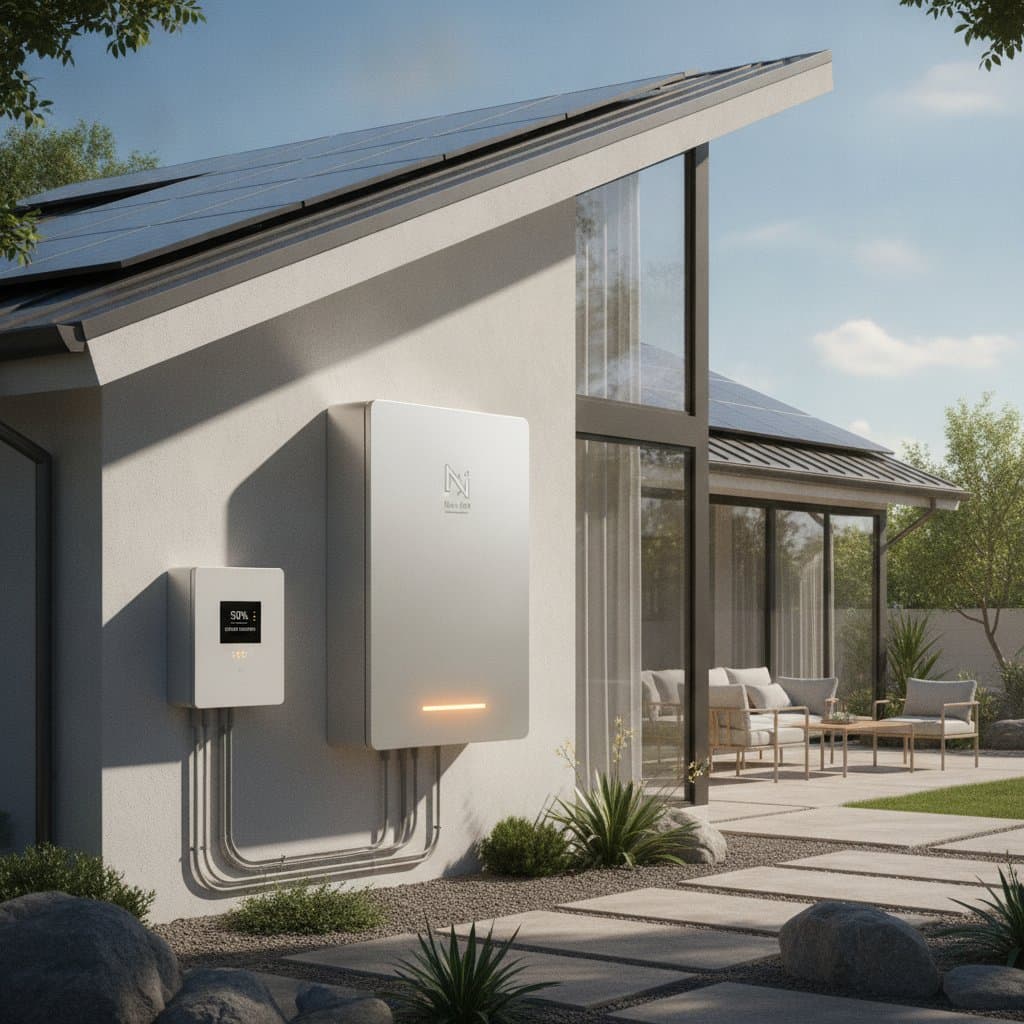
Sodium-Ion Batteries Deliver Lower-Cost Home Storage
Homeowners and solar installers observe a new energy storage technology gaining ground. Sodium-ion batteries emerge as a lower-cost alternative to lithium-based systems. Sodium remains abundant, inexpensive, and available from domestic sources. For homeowners interested in solar power with battery backup, this chemistry offers a safer and more affordable path to energy independence.
Before exploring installation or system design, it remains critical to understand what sodium-ion batteries are, how they work, and where they fit within home energy systems. Safety and code compliance always come first. Homeowners should never attempt to modify or install battery systems without professional help. A licensed electrician must handle all wiring, interconnections, and permit documentation.
How Sodium-Ion Batteries Function
Sodium-ion batteries operate using a similar principle to lithium-ion technology. Both move ions between a cathode and anode during charging and discharging. The difference lies in the materials used.
Core Components
- Anode: Often made from hard carbon to accommodate the larger sodium ion.
- Cathode: Typically composed of layered oxide materials that can store sodium ions.
- Electrolyte: A liquid or gel that allows sodium ions to move between electrodes.
- Separator: A porous barrier that prevents short circuits.
When the battery charges, sodium ions move from the cathode to the anode. During discharge, they return to the cathode and produce an electric current that powers connected devices or feeds a home grid.
Performance Comparison to Lithium-Ion
Sodium-ion batteries show slightly lower energy density than lithium-ion units. This means they store less energy per pound. Yet the gap narrows as research advances. For stationary home storage, energy density forms only one part of the equation. Cost, safety, and longevity matter more.
Modern sodium-ion batteries operate efficiently in cold climates. They exhibit stable thermal behavior with lower fire risk. They also maintain high cycle life when managed correctly. These characteristics suit residential applications where safety and reliability remain critical.
Integration with Solar Systems
For homeowners with rooftop solar arrays, battery storage allows power use even when sunlight remains unavailable. A sodium-ion battery can store excess generation during the day and release it at night or during grid outages.
Connection Basics
A typical home solar-plus-storage setup includes photovoltaic panels that generate DC electricity. An inverter converts DC to AC power for home use. A battery bank stores excess energy. A charge controller manages current flow and protects the system.
A licensed electrician connects the sodium-ion battery through the inverter or a hybrid controller. This configuration allows automatic charging when solar output stays high and discharging when demand increases.
Backup Power Function
In a grid-tied system, the battery can supply critical circuits during an outage. Homeowners often choose to back up essentials such as lighting, refrigeration, and heating controls. The electrician must calculate load requirements carefully to size the battery bank and inverter correctly.
Maintenance and Monitoring
Sodium-ion systems require less maintenance than lead-acid or some lithium batteries, yet routine checks remain necessary.
Simple Maintenance Tasks for Homeowners
- Inspect visual indicators on LEDs or display panels that show charge status and fault alarms.
- Keep the area clean and dry by removing dust and ensuring adequate ventilation.
- Check for corrosion such as rust or residue near terminals and contact a professional if observed.
Professional Service Requirements
A licensed technician should verify voltage and current readings. The technician inspects cable torque using a torque screwdriver. The technician also tests insulation resistance and updates firmware when applicable. Never attempt to test or recalibrate the system yourself. Improper handling can void warranties and create electrical hazards.
Environmental Perspective
Sodium-ion technology supports sustainable solar adoption. The use of widely available materials reduces environmental disruption from mining. End-of-life recycling becomes simpler because sodium compounds remain non-toxic and easier to handle than some lithium byproducts.
For regions working toward renewable energy goals, large-scale sodium battery installations can balance grid supply and demand more efficiently. The chemistry safety profile also simplifies permitting for residential neighborhoods where space and fire codes limit lithium deployment.
Planning Your Installation
Sodium-ion batteries move from laboratory testing to real residential installations. Manufacturers refine chemistry to improve capacity and charge rates. As production scales, prices drop further and make energy storage accessible to more homeowners.
Schedule a site inspection with a licensed electrician or certified solar installer. They assess your electrical panel, available space, and solar potential. Ask about sodium-ion products listed for residential use and verify that they meet national safety standards. Affordable, durable, and safe energy storage stands within reach.