
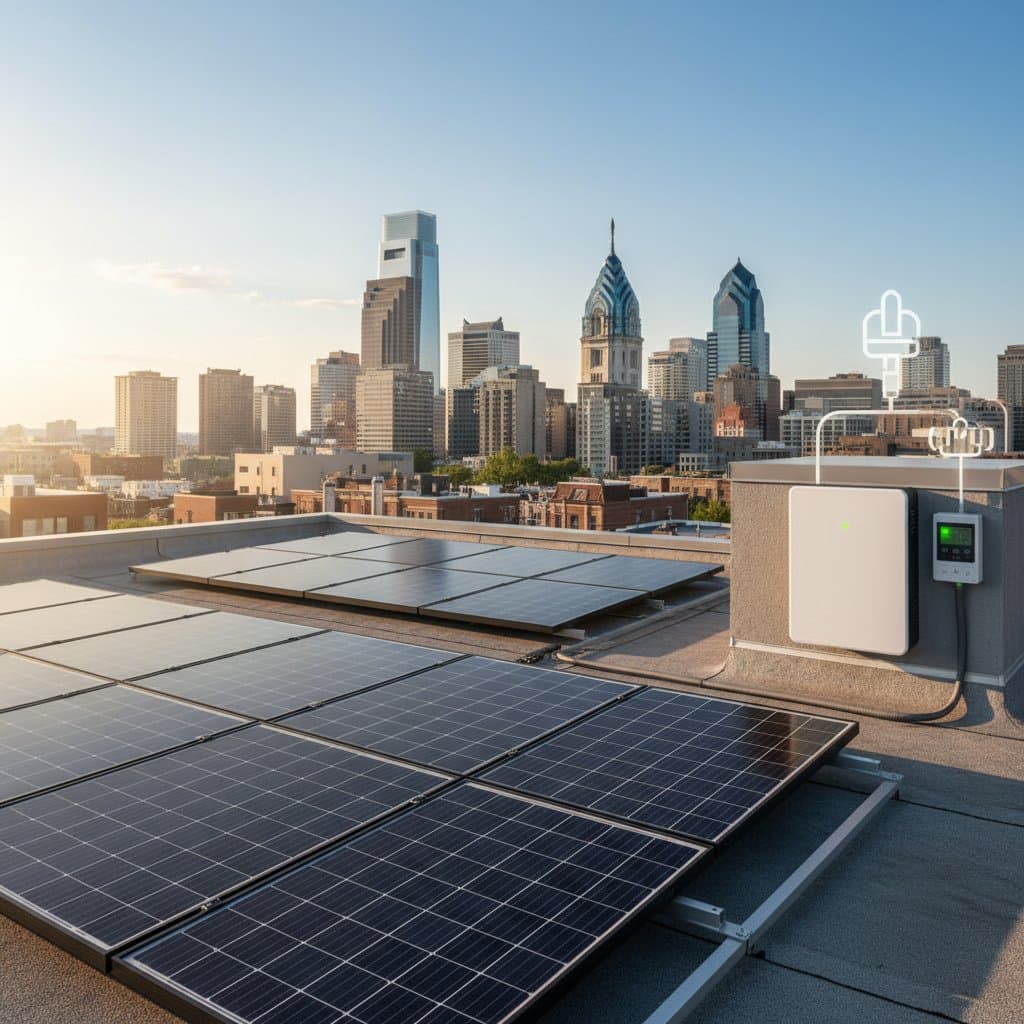
Turn Your Solar Panels Into a Steady Income Source
Philadelphia homeowners increasingly view solar panels not only as a means to reduce energy bills but also as an opportunity to generate income. By installing solar systems, residents can produce more electricity than their homes require, selling the excess back to the grid. This process transforms rooftops into reliable revenue sources, especially with upcoming policy changes in 2026 that enhance financial incentives.
Solar energy adoption in the city has surged due to abundant sunlight and supportive local programs. Homeowners who equip their properties with photovoltaic systems can offset installation costs faster through various mechanisms. These include net metering credits, solar renewable energy certificate sales, and integration with battery storage for optimized energy management.
Understanding Net Metering in Philadelphia
Net metering allows solar panel owners to receive credits for surplus electricity fed into the grid. When your panels generate more power than your home uses, the excess flows back through your meter, earning you bill credits at retail rates. This system ensures that you pay only for the net energy you consume over a billing period.
In Pennsylvania, net metering policies support systems up to 50 kilowatts for residential users. Philadelphia Electric Company, the primary utility, rolls over credits monthly and annually, preventing waste of generated value. By 2026, enhanced regulations will likely increase credit values, making this an even more attractive option for income generation.
To participate, ensure your solar installation connects to the grid via an approved inverter. Utilities require interconnection agreements, which outline how excess power is credited. This setup not only lowers your electricity costs but also provides a steady stream of savings equivalent to income.
Leveraging Solar Renewable Energy Certificates (SRECs)
SRECs represent another avenue for monetizing solar production. Each certificate corresponds to one megawatt-hour of clean energypanels over a year. Pennsylvania's SREC market enables homeowners to sell these certificates to utilities obligated to meet renewable energy quotas.
The value of SRECs fluctuates based on market demand, but recent trends show prices between 30 and 50 dollars per certificate. A typical 5-kilowatt residential system might produce 10 to 15 SRECs annually, translating to several hundred dollars in extra income. By 2026, anticipated market expansions could elevate these values further.
Registering for the SREC program involves creating an account with the Pennsylvania Department of Environmental Protection. Track your production with a certified meter, then sell certificates through accredited trading platforms. This passive income source complements net metering, accelerating the return on your solar investment.
Enhancing Returns with Smart Battery Storage
Battery systems store excess solar energy for later use, maximizing financial benefits. Instead of immediately exporting surplus power, batteries allow you to discharge during peak pricing hours when grid rates are highest. This time-of-use optimization can increase your effective earnings from energy sales.
Popular options like lithium-ion batteries integrate seamlessly with solar inverters. For Philadelphia homes, a 10-kilowatt-hour battery paired with panels enables self-consumption of 70 percent or more of generated power, reducing reliance on grid purchases. When combined with net metering, stored energy sold back yields higher credits.
Installation requires assessing your household's energy profile to size the battery appropriately. Incentives such as federal tax credits cover up to 30 percent of costs, shortening payback periods. By 2026, state rebates may further incentivize battery adoption, boosting overall system efficiency and income potential.
Steps to Maximize Your Solar Income
-
Assess Your Home's Solar Potential: Use online tools or consult local installers to evaluate roof space, orientation, and shading. Aim for systems sized to cover 100 to 120 percent of your annual electricity needs for optimal surplus generation.
-
Choose Certified Installers: Select contractors experienced in Philadelphia's permitting process. They handle grid interconnection applications and ensure compliance with city building codes.
-
Apply for Incentives: Secure federal Investment Tax Credit and Pennsylvania's solar grants before installation. Factor in net metering enrollment and SREC registration to project income streams.
-
Monitor and Optimize Performance: Install monitoring software to track production and consumption. Adjust usage patterns, such as running appliances during peak solar hours, to enhance exportable surplus.
-
Stay Informed on Policy Updates: Follow Pennsylvania Public Utility Commission announcements for 2026 changes. These may include expanded net metering caps or higher SREC values, directly impacting your returns.
-
Consider Financing Options: Explore low-interest loans or power purchase agreements that minimize upfront costs. This approach preserves capital while building equity in a revenue-generating asset.
Following these steps positions Philadelphia homeowners to achieve payback in as little as five to seven years, with ongoing income thereafter.
Building Long-Term Energy and Financial Security
Investing in solar panels equips your home with resilience against rising utility rates and potential outages. The income from net metering and SRECs provides financial stability, while batteries ensure uninterrupted power during grid disruptions. Philadelphia's commitment to clean energy amplifies these benefits, fostering sustainable living.
Homeowners who act now position themselves ahead of 2026 policy shifts, securing competitive incentives. This strategic move not only generates steady income but also contributes to the city's greener future. Consult local experts to tailor a solar plan that aligns with your household's unique needs and goals.