
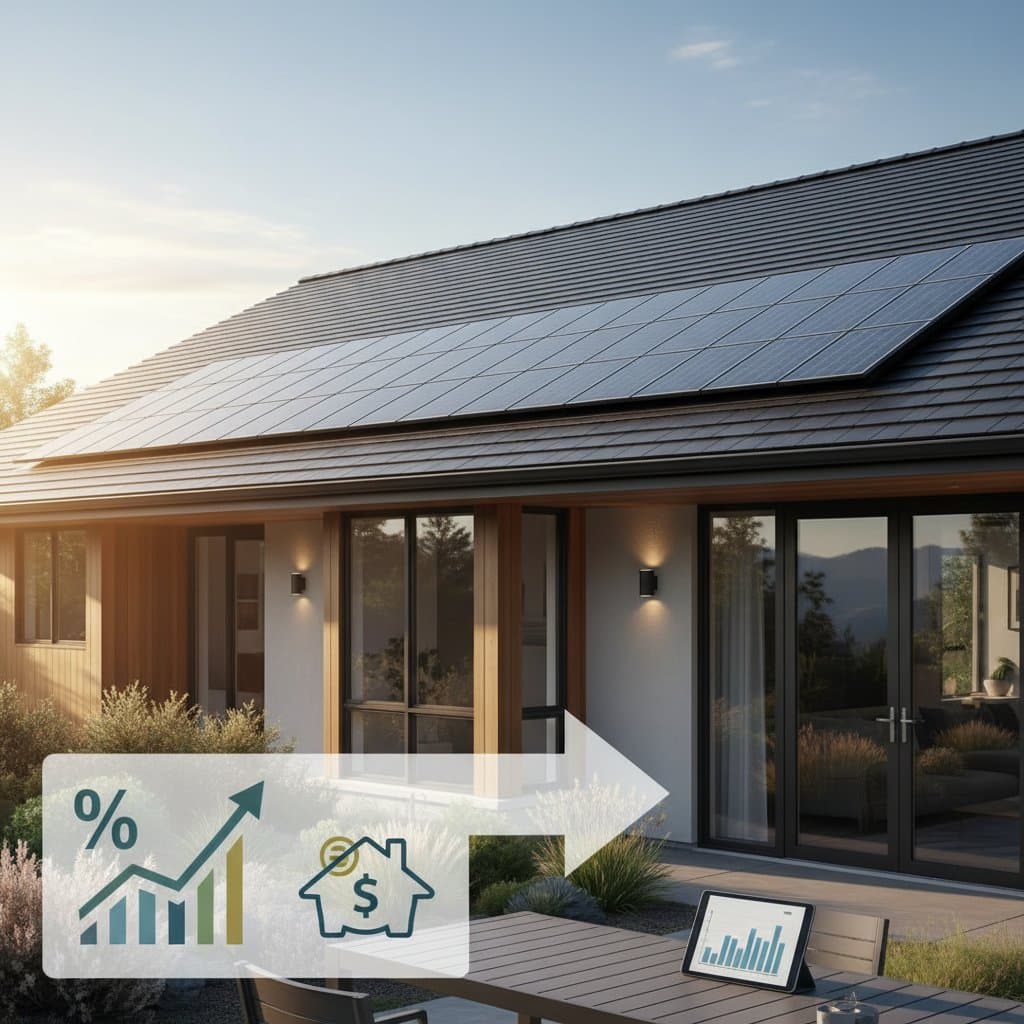
Federal Tax Credit Reduces Solar Roof Costs by Up to 40%
Homeowners facing roof replacement decisions often weigh immediate repairs against future solar additions. Delaying solar installation means missing energy savings, while rushing repairs overlooks potential incentives. The federal solar investment tax credit addresses this dilemma. When integrated solar roofing, such as solar shingles, forms part of a new roof, eligible components qualify for the credit, potentially lowering total costs by up to 40 percent through combined federal and local incentives.
This provision aligns existing tax rules for roofing and solar systems rather than creating a new exemption. Philadelphia residents and others in Pennsylvania can leverage it to offset upfront expenses and achieve long-term reductions in energy bills. Proper planning ensures compliance and maximizes benefits.
Eligibility Criteria for the Tax Credit
Clear boundaries define what qualifies for the credit, avoiding unexpected denials during tax filing. Eligible items include solar shingles or tiles that generate electricity, along with inverters, wiring, mounting hardware, and labor for installing these power-producing elements. Storage batteries integrated into the solar setup also count toward the credit.
Non-eligible costs encompass traditional non-solar shingles, underlayment on inactive roof areas, and structural modifications unrelated to solar functionality. Items like ventilation systems, gutters, skylights, or essential roof repairs remain outside the credit's scope. Homeowners must work with a qualified solar contractor to receive an itemized quote that distinguishes solar-specific expenses from general roofing work. This separation provides essential documentation for IRS verification.
Solar Shingles Versus Traditional Panels: Key Comparisons
Integrated solar roofing delivers a sleek alternative to traditional rack-mounted panels, blending seamlessly with the roofline for a uniform look. Beyond aesthetics, several factors influence the choice between these options.
Key Advantages of Solar Shingles:
- They create a seamless surface without exposed racks or penetrations.
- Flat installation reduces wind uplift risks compared to elevated panels.
- The material itself protects the roof, extending its lifespan.
- Portions of the roofing cost may qualify for tax credits when integrated with solar functions.
Key Disadvantages of Solar Shingles:
- Upfront costs per watt of power generated exceed those of standard panels.
- Fewer installers possess the expertise for specialized handling.
- Repairs involve more intricate disassembly than panel maintenance.
- Reduced airflow under the shingles may slightly lower efficiency in warmer climates.
Property owners prioritizing visual appeal or adhering to strict neighborhood guidelines often select solar shingles. For those focused on cost-effective energy output, traditional panels prove more suitable. An on-site energy audit evaluates roof pitch, shading patterns, and household consumption to recommend the best fit.
Step-by-Step Guide to Your Solar Roof Project
Strategic sequencing and thorough records unlock the full tax credit potential. Follow these steps to prepare effectively.
-
Conduct a Roof Inspection. Engage a licensed roofing professional to evaluate the roof's structural condition, including flashing, sheathing, and load-bearing capacity.
-
Perform a Solar Assessment. Consult certified solar experts who model projected energy yield, account for shading impacts, and calculate payback periods using site-specific data.
-
Solicit Itemized Quotes. Require bids that detail costs for solar components separately from conventional roofing elements to align with credit requirements.
-
Verify Permitting Needs. Contact the Philadelphia Department of Licenses and Inspections to confirm approvals for roofing, electrical, and solar integrations.
-
Maintain Comprehensive Records. Retain all contracts, invoices, and technical specifications, as the IRS may require them to substantiate the credit claim.
Electrical connections to the home's main panel demand licensed electrician oversight. Homeowners should avoid handling service panels or modifying circuits independently to ensure safety and compliance.
Selecting Reliable Professionals
Vetting contractors safeguards the project's success and credit eligibility. Pose these targeted questions before committing:
- Do you hold licenses and insurance for roofing, electrical, and solar installations?
- Can you provide a quote that clearly delineates solar-eligible costs from other expenses?
- Will you manage all permitting, inspections, and utility interconnections?
- What warranties cover energy production, roof integrity, and equipment performance?
Reputable firms demonstrate transparency and experience with integrated projects. References from prior Philadelphia installations offer insight into reliability.
Maximizing Long-Term Benefits
Beyond initial savings, a well-executed solar roof enhances home value and sustainability. Regular maintenance, such as annual cleaning and performance monitoring, sustains efficiency. Philadelphia's local rebates and net metering programs further amplify returns. Homeowners who integrate solar during roof replacement position themselves for decades of reliable, cost-effective energy.