
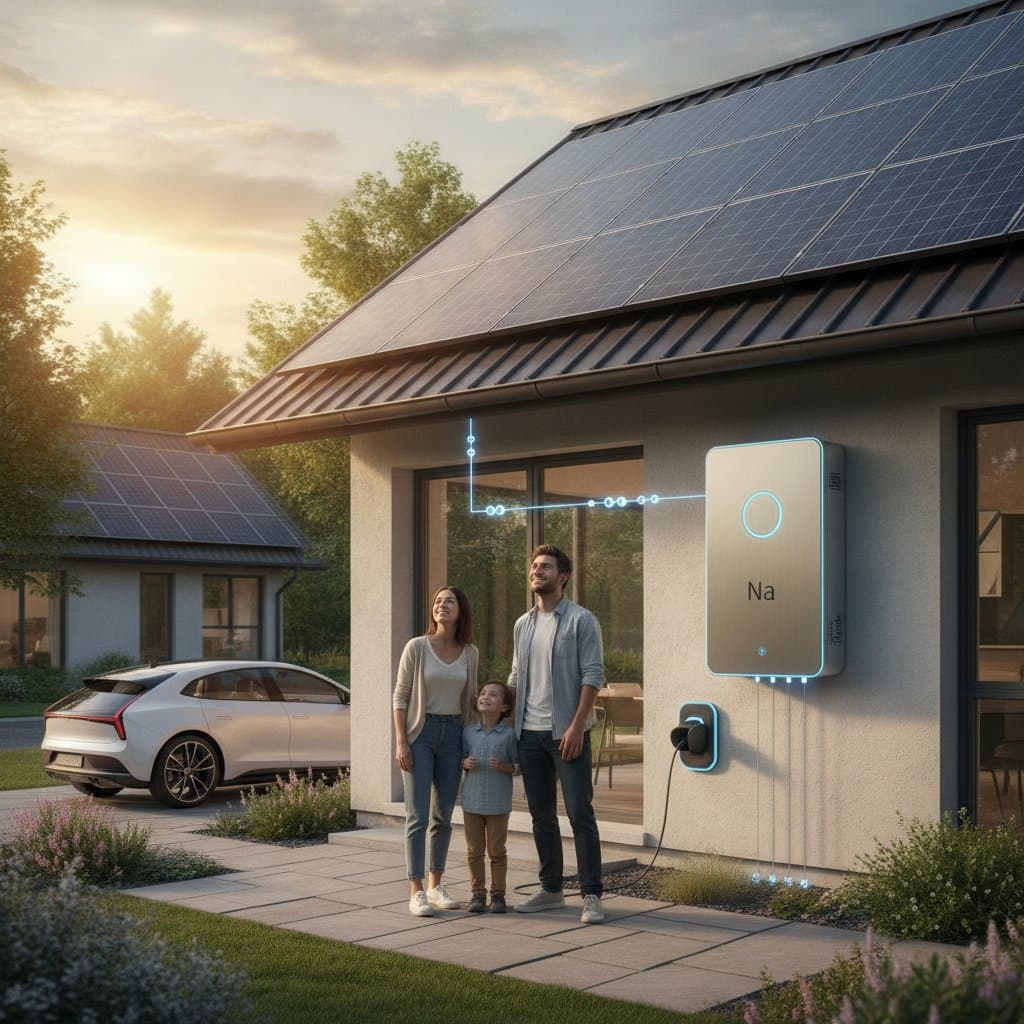
Sodium-Ion Batteries Offer an Affordable Path to Home Solar Storage in 2026
Many homeowners exploring solar storage face a familiar challenge. Lithium batteries deliver proven performance, yet their price often strains budgets. Sodium-ion technology now creates a fresh conversation about storing solar power. These batteries are real, scalable, and close to commercial readiness.
The central question centers on timing and cost impact rather than feasibility. Sodium-ion systems rely on abundant materials and simpler chemistry. They promise lower costs, safer operation, and reliable performance in varied climates.
Advantages of Sodium Over Lithium
Both lithium-ion and sodium-ion batteries operate on the same principle. Ions move between electrodes through an electrolyte to generate current. Sodium stands out because it is far more abundant than lithium. Extraction from salt and seawater avoids intensive mining and refining.
This abundance reduces material costs and supply risks. Sodium ions are larger and heavier, which lowers energy density in early designs. For home solar use, cost, safety, and cycle life matter more than compact size. A larger yet affordable battery still meets typical household evening demand.
Battery Chemistry and Operation
A sodium-ion battery uses a cathode of layered oxide materials or Prussian blue analogs. The anode often consists of hard carbon, while the electrolyte carries sodium salts. During charging, sodium ions travel from cathode to anode. Discharge reverses the flow to power devices or feed the grid.
The chemistry skips expensive metals such as cobalt and nickel. This change lowers price and simplifies recycling. Sodium cells also maintain stable electrolytes in cold temperatures. Homeowners in northern regions gain more consistent winter output compared with some lithium options.
Projected Costs and Lifespan
A typical 10 kilowatt-hour home storage system illustrates the difference. Lithium-ion versions currently cost around nine thousand dollars installed. Sodium-ion systems are expected to reach six to seven thousand dollars once manufacturing scales. The savings shorten payback periods by one to two years.
Cycle life provides another comparison point. Lithium systems commonly reach four to six thousand full cycles. Sodium-ion batteries already approach three thousand cycles in testing, with further gains expected. Daily cycling supports roughly eight years of service before capacity declines noticeably.
Sustainability Advantages
Sodium-ion production avoids the environmental effects of lithium mining. Raw materials exist widely, including within the United States. Local sourcing reduces reliance on distant supply chains and price swings. Fewer toxic metals also ease end-of-life recycling.
Solar adopters value these gains. A system that remains renewable from generation through storage strengthens overall home energy independence.
Connecting to Existing Solar Setups
Sodium-ion batteries link to inverters and monitoring systems in the same manner as lithium units. They store daytime solar excess and release power at night or during outages. Voltage and charge profiles are similar, so many current inverter brands require only minor software updates.
Physical size and weight differ, yet installers can address these factors with flexible mounting. Sodium-ion batteries also tolerate frequent shallow cycling without rapid degradation. Smart energy management systems therefore extend functional life and improve time-of-use savings.
Availability Timeline and Expectations
Early sodium-ion units will likely target smaller capacities for daily load shifting. Larger systems will follow as production expands. Warranties are expected to match current lithium standards, typically ten years or a set cycle count. The primary benefit remains lower upfront cost that makes storage more attainable alongside solar.
Ongoing Care Requirements
Proper monitoring supports any storage system. Keep units within recommended temperature ranges and ensure adequate ventilation. Update inverter firmware when new versions appear. Manufacturer recycling programs simplify responsible replacement at end of life.
Preparing for Sodium-Ion Storage Availability
Homeowners can monitor manufacturer announcements and installer training programs. Comparing total installed costs and warranty terms will clarify the best timing for each property. Early evaluation of roof space and electrical panel capacity positions households to adopt the technology smoothly once units reach the market.