
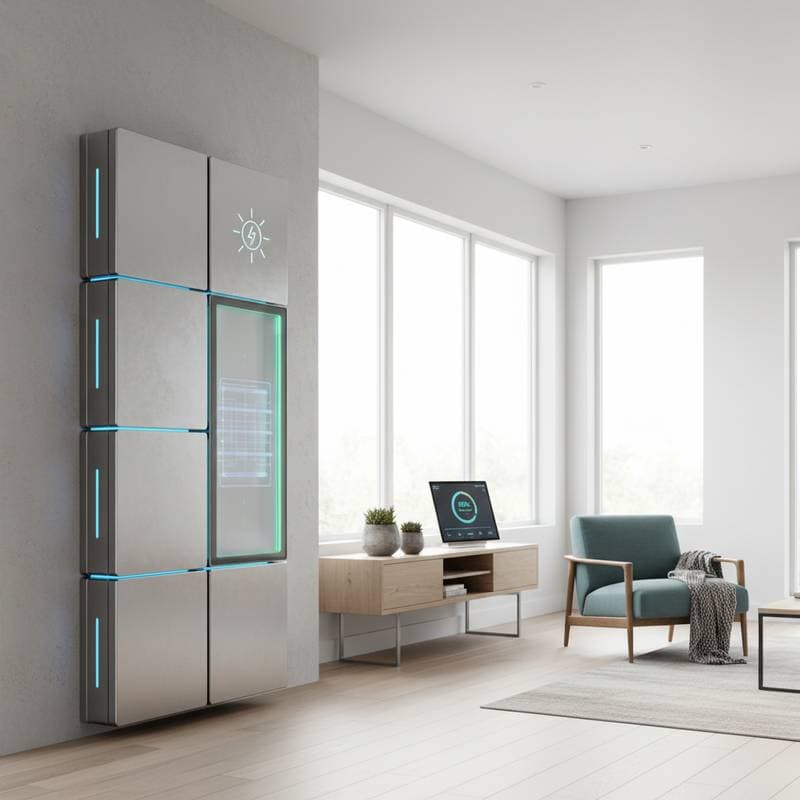
Why Solid-State Batteries Will Transform Home Energy Storage by 2026
Many homeowners are hearing about a quiet revolution in energy storage. The next generation of home batteries will not use liquid electrolytes like most lithium-ion systems. They will rely on solid materials that store more power in less space, charge faster, and last longer. These are called solid-state batteries, and they are moving quickly from research labs into real-world use. For households that already have solar panels or plan to install them, this shift could reshape how energy is stored and used at home.
Why Solid-State Batteries Matter
The push for cleaner, more reliable home energy is growing. Utility rates are climbing, weather events are more disruptive, and people want greater control over their power. Solid-state batteries promise major improvements in safety, efficiency, and lifespan. They replace the flammable liquid inside current lithium-ion cells with a solid electrolyte, which resists heat and reduces the risk of fire. This single change improves both safety and energy density.
A typical lithium-ion home battery stores about 250 watt-hours per kilogram. Solid-state versions are projected to reach 400 to 500 watt-hours per kilogram. That means more energy in the same footprint. For a home system rated at 10 kilowatt-hours, this could mean a smaller, lighter unit that lasts longer and requires less frequent charging.
How the Technology Works
In any battery, charged particles called ions move between two electrodes. In conventional batteries, this happens through a liquid electrolyte. In a solid-state battery, the ions travel through a solid material such as ceramic or glass. The solid pathway allows faster movement with less internal resistance. Less resistance means lower heat buildup and higher efficiency.
The chemistry also allows for new materials on the anode side. Instead of using graphite, engineers can use pure lithium metal. That switch increases capacity and extends the life of each charge cycle. The result is a battery that can handle more daily cycling before losing performance.
Benefits for Homeowners
1. Higher Energy Density
A smaller unit with higher capacity gives homeowners more flexibility in where to install it. A compact battery can fit in a utility closet or garage without taking much space.
2. Longer Lifespan
Solid-state batteries show slower degradation over time. Many designs are expected to retain over 80 percent of capacity after thousands of cycles. For a solar home that charges and discharges daily, this could mean 15 to 20 years of useful service.
3. Improved Safety
Without liquid electrolyte, thermal runaway is far less likely. This reduces fire risk and lowers insurance concerns for systems installed indoors.
4. Faster Charging and Discharging
The solid electrolyte supports higher current flow, which means faster charging from rooftop solar and more responsive backup power when the grid fails.
Cost and Payback Outlook
Early solid-state batteries will cost more per kilowatt-hour than today’s lithium-ion options. Current home systems average about 900 to 1,200 dollars per kilowatt-hour installed. Analysts expect solid-state systems to begin near the high end of that range, then drop as production scales. If prices reach about 700 dollars per kilowatt-hour, a 10 kilowatt-hour system would cost around 7,000 dollars before incentives.
At a utility rate of 24 cents per kilowatt-hour, that battery could store about 2.40 dollars of electricity each full cycle. If it cycles once per day, the energy value adds up to about 875 dollars per year. Over ten years, that is roughly 8,750 dollars in stored and reused electricity. When paired with solar, the payback can shorten further because more home-generated power stays on site.
Incentives and Compatibility
Solid-state batteries qualify for the same federal and local incentives as other storage systems. Homeowners can claim tax credits on a percentage of the total installed cost when the battery is charged primarily by solar. Some utilities also offer rebates or time-of-use programs that reward storing power during low-rate hours and using it during peak periods.
Compatibility with solar inverters is not a barrier. Manufacturers design these batteries with standard DC and AC coupling options. Most will integrate easily with existing rooftop systems through smart inverters that manage charge rates and grid interaction.
From Installation to Maintenance
A solid-state battery installation follows the same basic steps as a lithium-ion system. The process includes site assessment, permitting, connection to the main panel, and activation through the inverter. Because the chemistry is stable, maintenance is minimal. There are no liquid leaks to check and no venting requirements. Monitoring apps track performance, temperature, and charge cycles. Routine inspection once a year ensures connections remain tight and firmware stays updated.
Lifestyle and Community Impact
When homes can store more energy safely, the benefits ripple outward. Neighborhoods with distributed storage can reduce strain on the grid during peak demand. Solar owners can run more of their home on self-produced energy, even after sunset. Backup power during outages becomes standard rather than a luxury.
Solid-state batteries also pair well with other efficiency upgrades. A house with good insulation, a heat pump system, and an induction cooktop can draw mainly from stored solar power. That combination lowers utility bills and carbon emissions while improving comfort.
Preparing Your Home for Solid-State Storage
Homeowners who want to prepare can start now with a few steps:
- Collect utility data for at least twelve months to understand daily and seasonal energy use.
- Request a shade analysis to confirm solar output potential.
- Compare quotes from installers who offer both lithium-ion and emerging solid-state options.
- Check incentive eligibility and interconnection rules with the local utility.
- Plan for future upgrades such as adding a heat pump or electric vehicle charger that will benefit from larger battery capacity.
These actions help ensure the home is ready as solid-state systems reach full availability.
Maintaining Long-Term Performance
Once installed, keep the battery area clean and ventilated. Avoid blocking air gaps or piling storage items nearby. Use the monitoring app to track state of charge and system alerts. Schedule an annual checkup to confirm performance metrics. With basic care, a solid-state battery will quietly support the home for many years.
Answers to Frequent Homeowner Questions
What makes solid-state batteries different from lithium-ion batteries?
They use a solid electrolyte instead of a liquid one, which increases safety, energy density, and lifespan.
Can solid-state batteries be added to existing solar systems?
Yes, they can connect through standard DC or AC coupling, depending on the inverter design.