
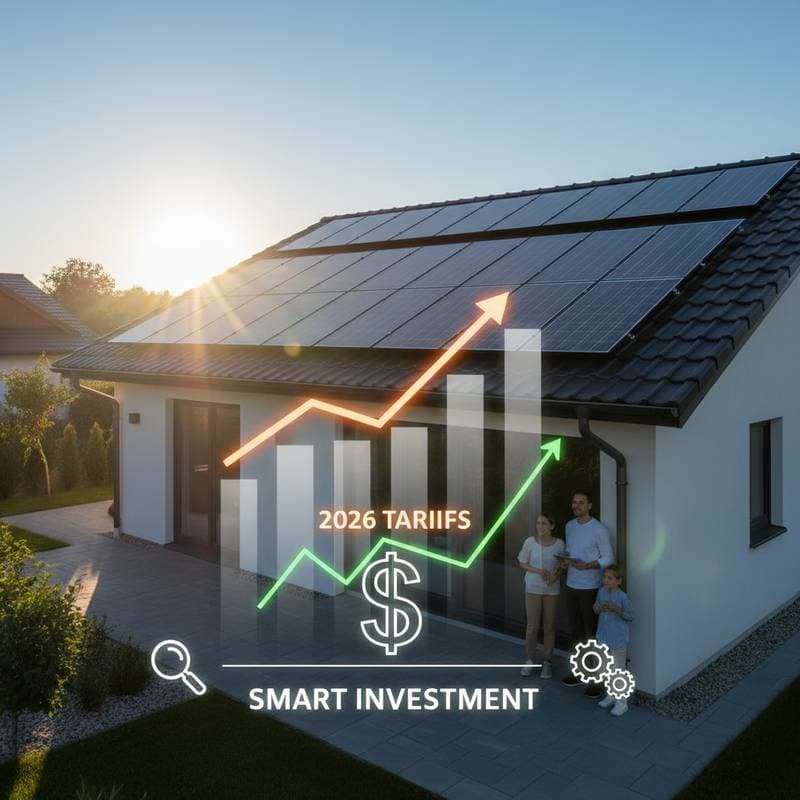
Solar Equipment Prices Set to Rise 40 Percent Due to 2026 Tariffs
Homeowners planning solar panel installations face a significant development with the introduction of new import tariffs in 2026. These tariffs could elevate equipment costs by 40 percent, sparking uncertainty about project feasibility and optimal timing. However, solar energy retains its appeal as a reliable investment when approached with informed strategies that safeguard budgets and maximize returns.
The path forward involves grasping the root causes of these price adjustments, implementing preemptive measures, and selecting enhancements that align with household needs. By prioritizing these elements, individuals can secure clean energy benefits without undue financial strain.
Scope of the New Tariffs
These tariffs target imported solar modules, cells, and associated components, aiming to bolster U.S. manufacturing and lessen reliance on foreign production. Currently, the majority of solar panels deployed in residential settings originate from international sources. As import duties increase, distributors relay the added expenses to installers, who in turn revise pricing for customers.
In essence, the tariff functions as an additional levy on hardware. Installation labor, permitting fees, and ancillary expenses stay consistent, yet panels and inverters face marked cost escalation. For instance, a standard 7-kilowatt system requiring 20 panels could incur thousands of dollars in extra charges solely from equipment inflation.
Analyzing the Financial Implications
Consider a representative 7-kilowatt solar system designed to produce roughly 9,100 kilowatt-hours annually. With local electricity rates at 24 cents per kilowatt-hour, this output offsets about 2,180 dollars in yearly utility bills. At an initial cost of 18,000 dollars, the investment recoups through savings in approximately eight years.
Under a 40 percent tariff-driven hike, the total rises to around 25,000 dollars, potentially stretching payback to twelve years. The system's energy generation capacity remains unchanged, but the elevated entry cost alters the timeline. Rising utility rates, often outpacing general inflation, can compress this period over time, underscoring solar's role in hedging against escalating energy expenses.
Early adoption of self-generated power provides greater insulation from unpredictable rate hikes. Factors such as location-specific sunlight hours and household consumption patterns further influence overall economics, making personalized assessments essential.
Enhancing Value Through Energy Efficiency
With tariffs amplifying equipment expenses, optimizing home energy use becomes a critical complement to solar adoption. Reducing consumption lowers the required system size, thereby offsetting higher per-panel costs.
Entry-Level Efficiency Measures
- Transition incandescent or CFL bulbs to LED alternatives for immediate lighting savings.
- Employ smart power strips to eliminate standby power draw from devices like televisions and computers.
- Opt for cold-water laundry cycles to decrease water heating demands.
- Apply weatherstripping and caulk to seal drafts at windows, doors, and outlets.
Moderate Investments for Broader Gains
- Insulate attics to proper R-value standards or repair leaky ductwork in ventilation systems.
- Integrate programmable or learning thermostats to fine-tune heating and cooling schedules.
- Install exterior shades, films, or awnings to block solar heat during peak summer months.
Advanced Upgrades for Maximum Impact
- Replace traditional HVAC units with efficient heat pumps that handle both heating and cooling.
- Upgrade from gas or electric resistance water heaters to heat pump models for substantial efficiency.
- Incorporate battery storage systems to store excess solar production and provide reliability during grid interruptions.
These combined efforts often slash total household energy needs by 20 to 40 percent. A downsized solar array then delivers equivalent benefits at reduced upfront investment, enhancing the tariff-era viability of going solar.
The Solar Installation Process and Ongoing Care
Effective solar projects start with a thorough site evaluation by certified professionals. Experts assess roof pitch, directional exposure, and potential shading from trees or structures. Using tools like solar irradiance maps, they forecast yearly energy yield tailored to local conditions.
Subsequent phases include securing building permits, coordinating with utility companies for grid interconnection, and executing the physical setup. Final inspections verify compliance and activate the system for operation.
Maintenance demands minimal effort to sustain performance. Clear leaves, dirt, or snow from panels seasonally, and conduct visual inspections biannually for cracks or loose mounts. Modern inverters often feature app-based monitoring, allowing real-time tracking of production against projections. Panel efficiency typically declines by less than 0.5 percent annually, ensuring reliable output well past standard 25-year warranties.
Practical Actions for Prospective Solar Adopters
To navigate tariff uncertainties effectively, homeowners should follow a structured approach:
- Review the past year's utility statements to determine average monthly kilowatt-hour usage.
- Arrange a professional shading analysis to identify optimal panel placement.
- Obtain at least three detailed quotes, specifying uniform system capacities and expected outputs.
- Research applicable federal, state, and local rebates, verifying any phase-out schedules.
- Assess opportunities for efficiency retrofits that could scale down the necessary solar investment.
- Inquire about U.S.-manufactured panels, which might evade full tariff penalties.
- Weigh installation timelines against tariff implementation to capture pre-increase pricing.
These steps empower data-driven choices rather than reactive decisions. Proactive engagement often yields superior rates, streamlined processes, and quicker realization of energy independence.
Key Questions on Solar Tariffs and Investments
How substantial will the price escalation be from these tariffs? Projections indicate a 40 percent uplift in costs for imported modules and cells, though exact figures depend on supply chain responses.
Do domestically produced panels circumvent tariff effects? Affirmative; U.S.-assembled options typically incur lower or zero duties, but stock levels and regional pricing fluctuate.
Does solar retain financial advantages post-tariff? Absolutely. Lifetime savings persist, bolstered by climbing electricity costs and stable production over decades.
Is it advisable to delay until tariffs lapse, or proceed promptly? For those with stable financing and long-term residency plans, installing prior to full enforcement secures discounted rates and immediate savings.
Could tariffs prompt changes in incentive programs? Core federal credits like the Investment Tax Credit endure, but verify state-specific offerings through utility providers or energy agencies for the latest adjustments.