
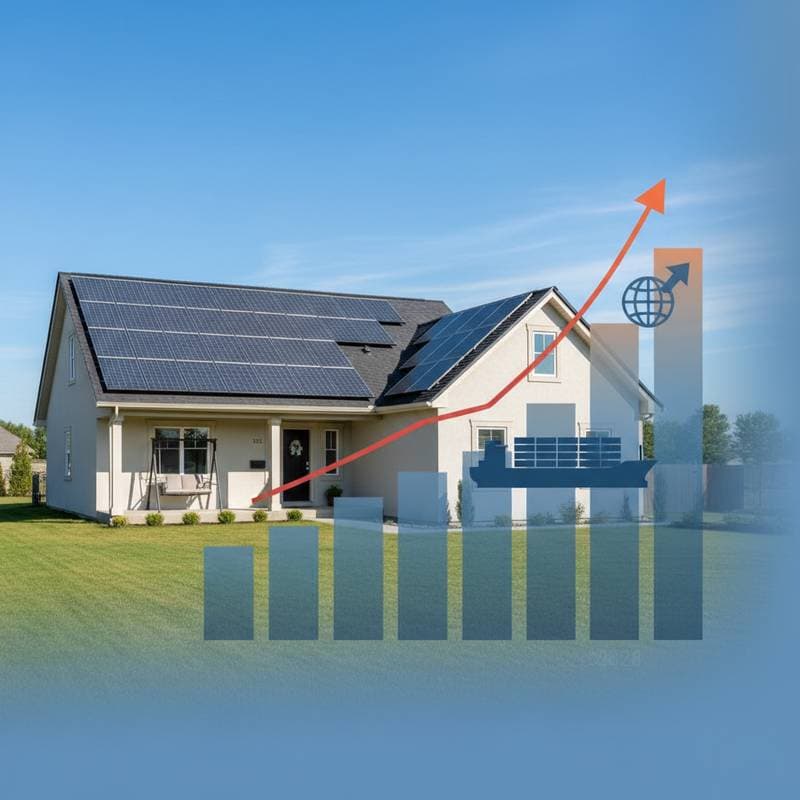
Solar Panels May Cost 40% More Starting in 2026
New tariffs on imported solar panels will take effect in 2026, potentially increasing installation costs by up to 40 percent. These changes stem from efforts to protect domestic manufacturing and address trade imbalances. Homeowners and businesses face a critical window to act before prices rise, securing current rates and maximizing available incentives.
Understanding the Upcoming Tariffs
The United States government plans to impose tariffs on solar panels imported from several key countries, including those in Southeast Asia where much of the global production occurs. This policy aims to bolster American solar manufacturing by making foreign panels less competitive. Officials expect these measures to encourage investment in local production facilities, though the immediate result will be higher costs for consumers.
These tariffs build on previous trade actions, such as those implemented in 2018, which temporarily disrupted supply chains. By 2026, the new duties could add substantial fees to panels that dominate the market today. Industry analysts predict that without these changes, solar adoption would continue to grow rapidly due to falling prices, but the tariffs introduce a significant hurdle.
The Direct Impact on Solar Costs
Solar panel prices have declined steadily over the past decade, making installations more accessible. However, the 2026 tariffs target panels assembled in countries like Vietnam, Malaysia, and Thailand, which supply over 80 percent of panels used in the U.S. This concentration means the policy will affect nearly all imports, driving up wholesale prices.
Experts estimate a 40 percent increase in panel costs alone, with full system installations following suit due to interconnected supply chains. For a typical residential setup costing $20,000 today, homeowners might pay an additional $8,000 or more after the tariffs. Commercial projects, which often scale larger, will experience even greater absolute increases, potentially slowing business expansions into renewable energy.
Beyond panels, related components like inverters and mounting hardware may see secondary price hikes as manufacturers adjust. The overall effect reshapes the economics of solar, where payback periods could extend from seven years to ten or longer, depending on local energy rates and incentives.
Current Solar Market Dynamics
Right now, the solar industry thrives on low-cost imports that have fueled a boom in installations. In 2023, the U.S. added over 32 gigawatts of solar capacity, much of it residential and commercial rooftops. Prices per watt have dropped to around $2.50, enabling quicker returns on investment through energy bill savings and tax credits.
Federal incentives, such as the Investment Tax Credit, currently offer a 30 percent rebate on qualified systems, stacking with state and local programs. These benefits offset upfront costs and accelerate financial recovery. However, as tariffs loom, suppliers stockpile inventory, which temporarily stabilizes prices but creates urgency for buyers to commit soon.
Domestic production ramps up slowly, with companies like First Solar expanding U.S. factories. Yet, these efforts fall short of meeting demand, ensuring that imported panels remain essential for years. The transition period will test the industry's resilience, balancing growth with higher expenses.
Strategies to Navigate Rising Costs
Homeowners should consider scheduling installations before 2026 to avoid the tariff impact. Consulting certified installers early allows time to assess site suitability, obtain permits, and secure financing. Many providers offer fixed-price contracts that lock in current rates, shielding against future increases.
Maximizing incentives forms a core part of any plan. The federal solar tax credit applies to systems installed through 2032, providing substantial relief. Pair this with net metering policies in many states, where excess energy fed back to the grid earns credits, enhancing overall value.
For businesses, exploring power purchase agreements can distribute costs over time while guaranteeing savings. Evaluate energy needs against projected tariff effects to prioritize high-usage sites. Professional audits reveal optimal system sizes, ensuring efficiency even as prices climb.
- Assess Your Energy Usage: Review utility bills to determine ideal system capacity.
- Get Multiple Quotes: Compare at least three installers for competitive pricing and warranties.
- Apply for Permits Promptly: Local regulations vary, so start the process early to avoid delays.
- Explore Financing Options: Loans and leases often feature low interest rates tailored to solar projects.
- Monitor Policy Updates: Track federal and state changes that could enhance rebates.
Long-Term Benefits of Acting Now
Installing solar panels today positions you to benefit from clean energy independence amid rising utility rates. Systems last 25 years or more, generating free electricity and reducing carbon footprints. Early adopters also contribute to a sustainable grid, supporting broader renewable goals.
By securing lower costs pre-tariff, you preserve savings that compound over decades. Communities with proactive solar uptake see stronger energy resilience and economic growth. Take the initiative to consult experts and plan your project, ensuring a brighter, more affordable energy future.