
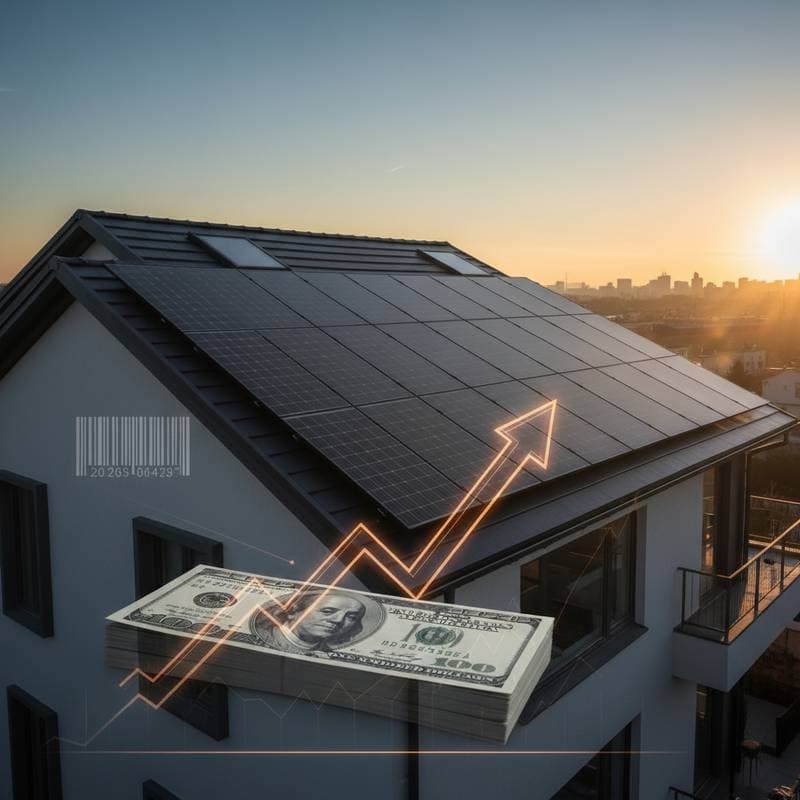
2026 Solar Tariffs Could Add $3,000 to Your System Cost
Understanding the Upcoming Solar Tariffs
Solar tariffs represent import duties imposed on solar panels and related equipment entering the United States. These measures aim to protect domestic manufacturing but often result in higher prices for consumers. In 2026, new tariffs scheduled to take effect will target key imports, primarily from Asia, where most solar components originate.
The policy builds on previous trade actions, escalating duties on crystalline silicon photovoltaic cells and modules. Expect rates to climb to 25 percent or more on certain products, depending on their country of origin. This shift could reshape the solar market, influencing everything from equipment availability to installation timelines.
How Tariffs Translate to Higher System Costs
An average residential solar system costs between $20,000 and $30,000 before incentives. Tariffs could increase this by 5 to 15 percent, adding $1,000 to $4,500 per installation. For a typical 7-kilowatt setup in Philadelphia, the bump might hit $3,000, driven by pricier panels that form 25 to 30 percent of total expenses.
These costs do not appear in isolation. Inverters, racking, and wiring may also face indirect hikes if global supply chains adjust. Homeowners planning installations in 2026 or later should anticipate quotes that reflect these realities, even if initial estimates seem competitive.
What Installers May Overlook in Quotes
Many solar installers focus on current pricing to close deals quickly. They might quote based on today's import costs, omitting future tariff effects to avoid scaring off prospects. This approach leaves customers surprised when final bills arrive higher than expected.
Transparency varies by company. Some provide scenario-based projections, while others stick to baseline figures. Request detailed breakdowns that include potential policy changes to gauge true long-term value.
Assessing the Impact on Payback Periods
Payback period measures how long it takes for solar savings to recoup upfront costs. A $3,000 increase extends this by one to two years, depending on local electricity rates and sunlight exposure. In Pennsylvania, where rates average 16 cents per kilowatt-hour, a standard system pays back in 7 to 9 years without tariffs.
To calculate your scenario, start with your annual energy bill. Multiply by the system's offset percentage, typically 80 to 100 percent. Subtract ongoing savings from the adjusted total cost, then divide to find the new timeline. Tools from reputable installers can simplify this process.
Timing Your Installation for Maximum Savings
Act before 2026 to lock in pre-tariff pricing. Systems permitted and ordered by late 2025 often qualify for current rates, avoiding the duty surge. Delaying until mid-2026 risks supply shortages as importers stockpile or reroute goods.
Monitor policy updates through industry associations. If tariffs phase in gradually, early 2026 might still offer windows for cost-effective purchases. Coordinate with your installer to align permitting and procurement schedules tightly.
Seeking Transparent Proposals from Providers
Demand quotes that specify component origins and pricing assumptions. Look for installers who offer fixed-price contracts covering potential tariff escalations. This protects against mid-project surprises and builds trust in the process.
Compare multiple bids side by side. Evaluate not just totals but also warranties, efficiency ratings, and post-installation support. Providers emphasizing domestic or tariff-exempt sourcing deserve priority in a rising-cost environment.
Leveraging Federal Incentives to Offset Expenses
The federal Investment Tax Credit covers 30 percent of qualified solar costs, reducing a $3,000 tariff hit to $2,100 after credit. This incentive applies through 2032, providing a buffer against import duties. Combine it with state rebates for deeper savings.
Eligibility requires systems to meet performance standards and proper documentation. Consult a tax professional to maximize deductions, especially if pairing solar with battery storage. These credits turn potential setbacks into manageable investments.
Steps to Plan Your Solar Project Effectively
- Assess your home's energy needs with a professional audit.
- Research local installers and request tariff-inclusive quotes.
- Review financing options, including loans that cover increased costs.
- Apply for permits early to beat deadline rushes.
- Track incentive deadlines to ensure full benefits.
Follow these steps to navigate uncertainties confidently. Each action positions you for reliable energy independence.
Protecting Your Investment Amid Rising Costs
Solar remains a smart choice despite tariff pressures, with lifetime savings often exceeding $50,000 per household. By planning ahead, you preserve profitability and accelerate returns. Embrace these strategies to power your home affordably, regardless of trade policy shifts.