
Understanding the 2026 Solar Tariffs
The solar industry faces potential changes with tariffs set for 2026. These measures aim to protect domestic manufacturing by imposing duties on imported solar panels and components. Most panels installed in the United States originate from overseas, particularly Southeast Asia and Europe. As a result, these tariffs could elevate the price of solar equipment significantly.
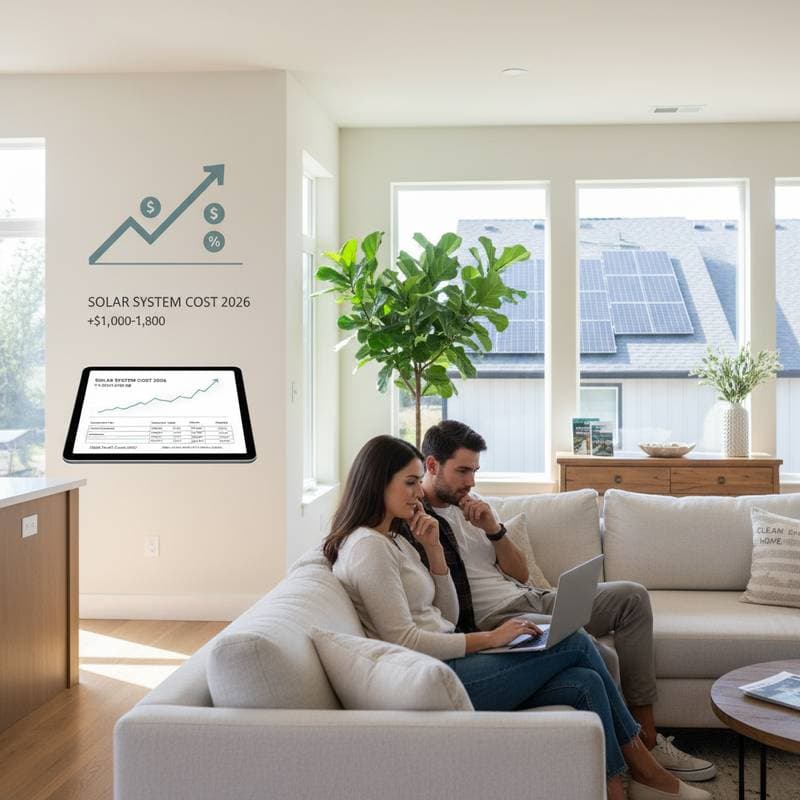
Experts predict a 15 percent rise in panel costs due to these policies. For an average residential system costing around $20,000 before incentives, this translates to an extra $1,000 to $1,800. Homeowners in regions like Philadelphia, where solar adoption is growing, must consider these shifts when budgeting for installations.
While the tariffs stem from efforts to bolster American jobs, they create short-term challenges for consumers. The policy builds on previous trade actions, but the 2026 implementation introduces new layers of complexity. Staying informed allows individuals to make decisions that align with their energy goals.
Breaking Down the Cost Impact
Solar system prices vary based on size, location, and equipment quality. A standard 6-kilowatt setup, suitable for many homes, might see the largest effects from tariffed imports. Panels represent about 25 percent of total costs, so a 15 percent hike directly influences that portion.
Consider a breakdown: base panel expenses often range from $6,000 to $12,000. With tariffs, this could climb by $900 to $1,800. Additional factors, such as inverters and mounting hardware, may also face indirect increases if supply chains adjust.
Regional differences play a role too. In Pennsylvania, where sunlight averages 2,500 hours annually, systems recover costs faster than in cloudier areas. Yet, the tariff-induced bump could delay payback periods by six to twelve months for some households.
Strategies to Offset Tariff Increases
Homeowners need not delay solar adoption amid these changes. Several approaches can help manage added expenses.
Act Before Implementation
Order systems prior to 2026 to lock in current pricing. Many installers offer reservations with deposits, securing equipment at today's rates. This proactive step avoids the full tariff burden and ensures project timelines remain on track.
Consult local providers early. In Philadelphia, firms familiar with regional permits can expedite processes, potentially completing installations within months.
Leverage Federal and State Incentives
The federal Investment Tax Credit covers 30 percent of system costs, reducing the net price substantially. For a $25,000 installation, this yields a $7,500 credit. Tariffs may inflate the gross amount, but the credit applies to the higher figure, softening the blow.
Pennsylvania offers additional rebates through programs like the Solar Renewable Energy Certificate market. These credits provide ongoing payments for energy produced, further enhancing returns.
Explore low-interest loans from the Department of Energy or local banks. These financing options spread costs over time, making solar accessible despite upfront hikes.
Choose Domestic or Tariff-Exempt Suppliers
Opt for panels manufactured in the United States to bypass import duties. Brands like First Solar produce high-quality options that qualify for exemptions. While slightly pricier now, they shield against future increases.
Assess total system efficiency. American-made components often integrate well with smart home technologies, adding value beyond cost savings.
Navigating the Broader Solar Market
Tariffs represent one piece of a dynamic landscape. Global supply chains continue to evolve, with some manufacturers shifting production to avoid duties. This could stabilize prices over time, but uncertainty persists until policies clarify.
Energy prices also influence decisions. With electricity rates in Philadelphia rising 5 percent yearly, solar offsets these trends effectively. A typical system generates $1,200 in annual savings, recouping investments in seven to ten years.
Environmental considerations weigh heavily. Solar reduces carbon emissions by 100 tons over 25 years per household. In urban areas, it supports grid resilience during peak demands.
Securing Long-Term Energy Savings
Despite tariff challenges, solar installations deliver reliable benefits. Homeowners gain control over energy bills, insulating against utility fluctuations. Systems with battery storage enhance independence, powering homes during outages.
Future policy shifts may introduce more incentives. Monitoring updates through industry reports keeps individuals prepared. For Philadelphia residents, local solar co-ops provide community support and bulk purchasing power.
In summary, the 2026 tariffs prompt careful planning, but they do not diminish solar's appeal. By acting decisively and utilizing available resources, homeowners position themselves for sustained savings and sustainability.