
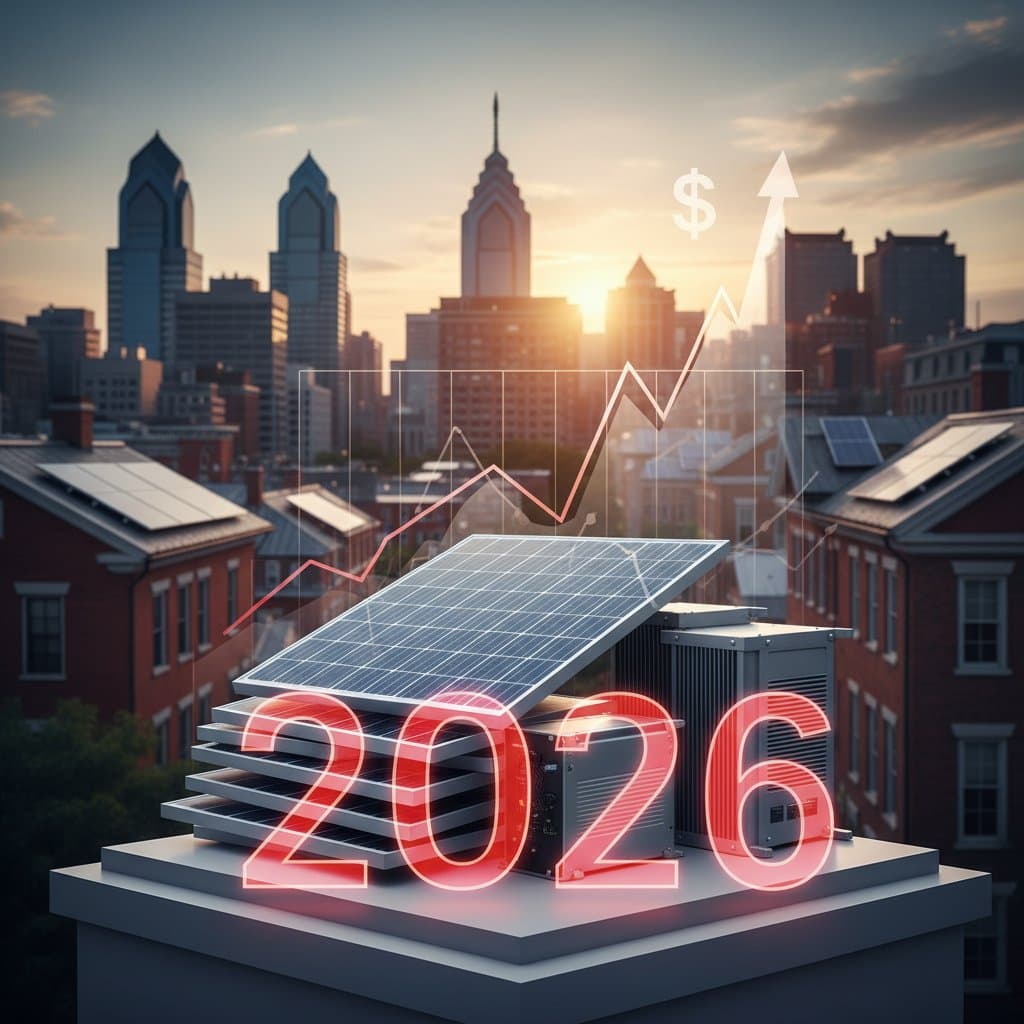
Understanding 2026 Solar Tariffs and Their Financial Implications
Solar energy offers homeowners a dependable method to reduce utility expenses and lessen reliance on fossil fuels. However, the expense of solar installations depends on factors beyond panel efficiency and installer rates. Government tariffs on imported solar components can alter prices throughout the supply chain. With tariffs set to activate in 2026, homeowners wonder about the adjustments to system costs, upkeep, and upgrades.
This guide examines solar tariffs, their operational mechanics, and potential influences on residential expenses. It identifies vulnerable elements in solar projects, suggests preparation measures for homeowners, and highlights instances where expert input proves vital.
The Purpose of Tariffs and Their Price Transmission Effects
Tariffs aim to promote domestic manufacturing, yet they generate market imbalances. Producers dependent on imported materials encounter elevated raw material expenses. Installers confront increased wholesale rates, and homeowners observe these in final estimates.
Increases typically manifest in three key areas:
- Solar panel modules - These constitute the primary expense in standard systems.
- Inverters and microinverters - Essential devices that transform solar-generated direct current into alternating current for household use.
- Mounting hardware and racking systems - Structural elements, such as aluminum rails and brackets, that anchor panels to rooftops or ground arrays.
Tariffs inflate import expenses, rendering each component costlier. Domestic producers may hike prices to align with imports, even as capacity grows. These dynamics extend to regional markets, including Philadelphia and surrounding areas in Pennsylvania.
Philadelphia-Specific Factors for Homeowners
Philadelphia's solar landscape benefits from Pennsylvania's renewable energy credits, which subsidize installations. Tariffs, however, inflate material baselines prior to incentive applications.
Installers with domestic or exempt supply lines can maintain more consistent pricing. Homeowners benefit from inquiring about sourcing origins for panels and inverters. Certain manufacturers operate tariff-avoiding plants in unaffected nations, whereas others depend on targeted imports.
Impacts differ between commercial and residential setups. Commercial projects leverage volume discounts and diversified suppliers for greater tariff evasion. Residential installations often commit to one supplier, heightening exposure to cost surges.
Tariffs and Their Influence on Investment Recovery Time
The payback period represents the duration required for cumulative energy savings to recoup installation outlays. Tariffs prolong this interval through higher initial expenditures.
For example, a homeowner generating one thousand dollars in annual electricity savings faces a two-year extension if tariffs add two thousand dollars to equipment costs. Such shifts draw attention, yet systems deliver cost-free power for twenty-five years or more post-payback.
Experts advise treating solar as a durable asset, not an immediate expense. Tariff-induced rises seldom undermine the overarching economic and ecological advantages.
Indicators Requiring Licensed Electrician Intervention
Solar system installation or alteration demands adherence to the National Electrical Code for electrical components. A licensed electrician alone can confirm compliance in wiring, grounding, and overcurrent safeguards.
Seek professional assistance upon observing:
- Signs of scorching or insulation degradation around combiner boxes or disconnect switches.
- Persistent inverter alerts or unexpected system halts.
- Unusual humming, sparking, or popping noises adjacent to electrical panels.
Homeowners must avoid rewiring or circumventing solar circuits to cut costs. Such actions risk warranty invalidation, electrical shocks, or code infractions. Verify installer licensing and insurance, and obtain inspection records post-completion.
Sustaining System Performance Amid Evolving Costs
Post-installation, tariffs minimally affect routine maintenance budgets. Tasks like panel cleaning, connection inspections, and inverter assessments persist as standard procedures. Imported replacement parts may rise in price, but warranties typically shield major elements for extended periods, often twenty-five years.
To uphold efficiency:
- Conduct seasonal visual checks for accumulated dirt, bird droppings, or shading issues on panels.
- Employ a non-contact voltage tester to measure inverter output accuracy.
- Arrange biennial professional evaluations to affirm operational safety and peak performance.
Should tariffs restrict part availability, electricians can integrate equivalent alternatives that satisfy original standards, ensuring seamless functionality.
Actionable Steps to Mitigate Tariff Effects
- Assess installation timing. Obtain fresh quotations if solar adoption looms, gauging tariff influences on current rates.
- Verify contractor qualifications. Select firms state-certified and versed in Philadelphia's permitting processes.
- Probe supply details. Demand documentation on panel and inverter manufacturing locations.
- Track policy developments. Consult trusted outlets like the U.S. Department of Energy or Solar Energy Industries Association for tariff updates.
- Incorporate upkeep planning. Establish a schedule for inspections to preserve efficiency and regulatory alignment.
By initiating early, securing multiple bids, and validating expertise, homeowners navigate tariff pressures effectively. Each installation merits electrician oversight and thorough permitting to secure enduring value.
Solar power endures as a resilient home enhancement, delivering consistent savings and sustainability despite policy fluctuations.