
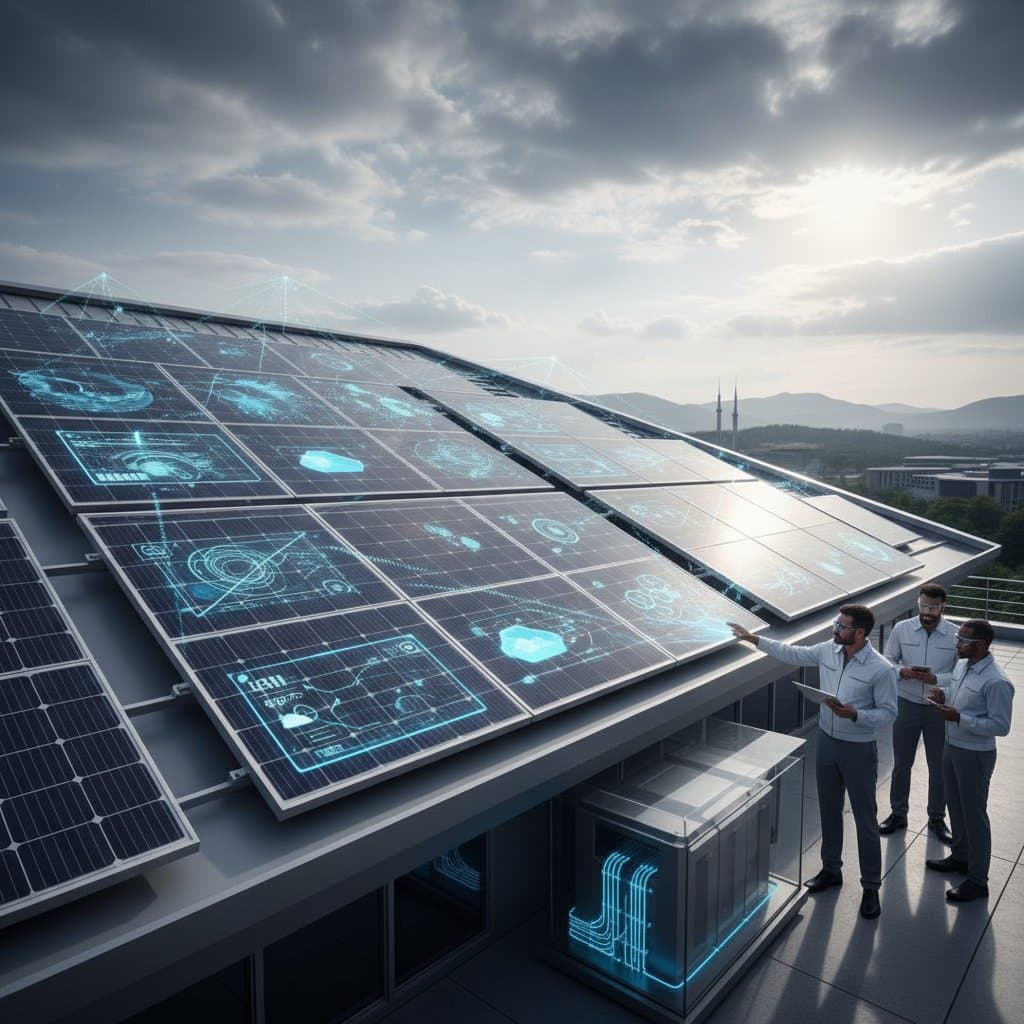
AI Solar Panels That Adapt to Weather for Maximum Efficiency
Homeowners expect solar panels to perform consistently, yet sunlight varies constantly. Clouds, temperature fluctuations, and shading can reduce output rapidly. AI solar panels address this challenge by adjusting to real-time weather conditions, enabling systems to generate more power during unpredictable days. This technology combines machine learning, environmental sensors, and predictive modeling to sustain optimal performance as skies shift hourly.
Why Weather Variability Matters
Traditional solar panels depend on fixed-tilt or preset tracking systems. These configurations suit average sunlight exposure but falter during storm fronts or partial cloud cover. Efficiency declines when light levels decrease or temperatures climb, as overheating lowers voltage output. Flat panels during heavy clouds also fail to capture diffuse light effectively. AI solar systems monitor these variables minute by minute and respond by repositioning panels or modulating energy output.
How AI Solar Panels Work
AI-equipped panels gather data from diverse sources:
- Onboard sensors for temperature and irradiance
- Local weather forecasts and satellite imagery
- Power output measurements from inverters or microinverters
- Historical performance records for the specific site
An adaptive control system analyzes this information against predictive models. As clouds approach, the AI fine-tunes panel angles or alters inverter settings to harness scattered light. In high heat, it regulates current flow to minimize thermal losses. During rising wind speeds, the AI repositions panels to lessen stress on mounting hardware.
This ongoing feedback mechanism enables the system to adapt to each property's unique environment. Over weeks, it develops a tailored performance profile, surpassing the capabilities of manual tracking methods.
Smart Tracking and Predictive Capabilities
AI tracking extends beyond basic east-to-west motion. It forecasts weather changes and sunlight angles in advance. Integrated with local forecast APIs, the AI pre-adjusts panel positions before storms arrive or skies clear suddenly. Such anticipation minimizes downtime and enhances daily energy production.
Certain smart panels connect with battery storage solutions. If the AI anticipates reduced sunlight, it initiates charging earlier. Upon brighter conditions, it directs excess power to the grid or home use. This synchronization optimizes storage and self-consumption rates.
Safety and Electrical Standards
AI enhancements boost efficiency, but safety holds paramount importance. All adaptive solar systems must adhere to electrical codes set by local authorities. Homeowners verify that equipment carries UL certification and that installations include proper grounding and bonding.
Avoid modifying or recalibrating AI controllers without professional training. Faulty wiring or software alterations risk inverter malfunctions or electrical shocks. Follow these precautions:
- Employ a non-contact voltage tester prior to handling conductors.
- Ensure disconnects remain open during inspections.
- Verify terminal torque with a calibrated screwdriver.
- Consult a licensed electrician for error codes or overheating issues.
Qualified solar technicians assess sensor functionality, communication links, and AI operations to prevent conflicts with protective devices like GFCIs or AFCIs.
Environmental and Financial Benefits
AI-enhanced solar installations yield tangible improvements. Field studies from energy research organizations indicate that adaptive tracking increases annual energy production by 8 to 15 percent over static setups. In dynamic urban areas like Philadelphia, these enhancements yield steadier utility bill reductions and accelerated investment returns.
Environmentally, greater efficiency reduces the number of panels required for equivalent output, conserving materials and easing roof loads. Adaptive features prolong component longevity by limiting mechanical actions to necessary conditions.
Integration with Smart Home Ecosystems
Contemporary AI solar panels interface with home energy management applications. This linkage permits real-time performance monitoring, maintenance notifications, and load adjustments based on solar generation. For instance, the AI directs a smart water heater or EV charger to activate during peak surplus periods.
Voice assistants such as Google Home or Alexa deliver updates like current solar output percentages or battery status. These conveniences depend on robust network security, including strong passwords and two-factor authentication for monitoring interfaces.
Installation and Maintenance Protocols
AI solar systems demand accurate sensor positioning and software tuning. Homeowners manage basic tasks like cleaning, visual checks, and app oversight. Licensed professionals handle electrical connections, firmware upgrades, and diagnostics. If panels exhibit unusual movements or output declines, disconnect power immediately and notify the installer.
Annual maintenance involves:
- Examining mounts for wear or corrosion
- Testing motion sensors and actuators
- Applying firmware updates via secure methods
- Analyzing data logs for anomalous power patterns
These procedures safeguard safety and sustain performance.
Steps for Homeowners to Adopt Adaptive Solar
Prospective solar adopters inquire about AI optimization in proposed panel systems. Confirm integration with local weather data and suitability for Philadelphia's fluctuating climate. Obtain records of compliance with national electrical standards and local permits.
Existing solar owners explore AI retrofit options compatible with current inverters. A licensed electrician evaluates fit prior to setup.
As weather grows more erratic, adaptive solar technology ensures reliable renewable energy. Professional installation, certified components, and ongoing expert support prove indispensable. Properly configured AI solar panels maximize every ray of sunlight, regardless of atmospheric whims.