
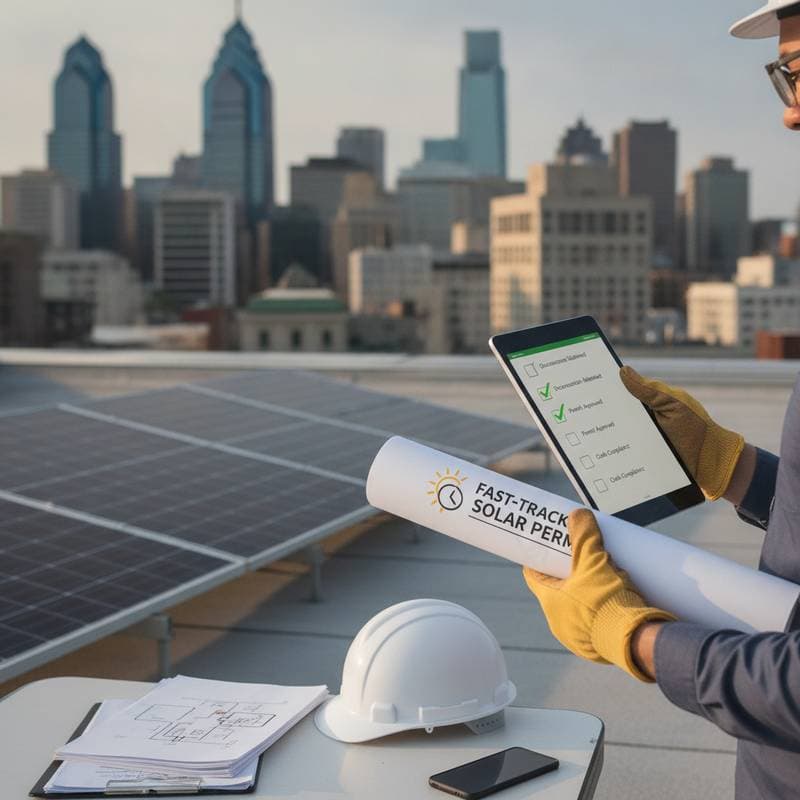
Fast-Track Rules Ease DIY Solar Permit Process
Homeowners across Philadelphia have grown more interested in installing solar panels on their own rooftops. The appeal is strong. Lower long-term energy costs, independence from rate changes, and the satisfaction of producing clean power draw many residents to the option. Yet the permit process has often been the biggest obstacle.
Local building departments have required multiple applications, plan reviews, and inspections that can confuse first-time installers. The new fast-track solar permit rules aim to simplify that process while maintaining electrical safety and compliance with the National Electrical Code and Philadelphia Department of Licenses and Inspections requirements. This guide explains what the new rules mean, what parts homeowners can handle, and when to call a licensed electrician or structural engineer.
Safety Comes First
Solar power systems connect directly to your home electrical service and the utility grid. Any mistake in wiring, grounding, or overcurrent protection can lead to shock, fire, or equipment failure. Always shut off power at the main service disconnect before working on any wiring. Use a non-contact voltage tester to confirm circuits are de-energized. Wear insulated gloves and eye protection. Avoid working in wet conditions or near conductive materials.
If you find damaged conductors, corroded terminals, or unclear labeling in the service panel, stop immediately. Call a licensed electrician. Only a qualified technician can inspect and verify conductor sizes, grounding electrode continuity, and proper torque on lugs.
Step-by-Step Homeowner Process
Assess System Size and Roof Condition
Start by confirming that your roof can support the array weight. Most standard solar panels add modest load, but older framing or deteriorated decking may need reinforcement. Inspect for rot, soft spots, or leaks before mounting any equipment.
Select Approved Equipment
Use only products listed and labeled by nationally recognized testing laboratories. Inverters must be UL 1741 certified and modules must carry a recognized safety certification. The city fast-track checklist identifies which manufacturers qualify.
Prepare Electrical Plans
You must submit a one-line diagram showing how the system connects to the home electrical service. Include details for breaker size, wire gauge, grounding, and disconnect locations. Even in the fast-track process, incomplete drawings will delay approval.
Submit the Simplified Application
The new process allows online submission through the city permit portal. Most applicants upload structural data, equipment cut sheets, and the one-line diagram. The review team checks code compliance against standard templates.
Schedule Inspections
After approval, a city inspector will verify that the installation matches the submitted plans. The fast-track inspection focuses on key safety points. These include proper conductor protection, secure racking attachment, labeled disconnects, and correct inverter placement.
Obtain Utility Interconnection Approval
Before energizing the system, the utility must grant permission to operate. This ensures the array does not backfeed into the grid without proper synchronization.
How the Fast-Track Process Reduces Delays
Traditional permits often required multiple rounds of review. The fast-track model simplifies review through standardized templates and equipment lists. Reviewers can confirm compliance faster, and homeowners receive fewer correction notices.
City data shows average approval times have dropped significantly since the pilot phase began. The streamlined process helps maintain safety while encouraging clean energy adoption. This improvement matters for homeowners who want to install before seasonal weather changes. Shorter wait times mean projects can begin sooner, reducing exposure to cost inflation or equipment backlogs.
Planning Your Installation
If you plan a new solar project in Philadelphia, start by reviewing the city fast-track permit checklist. Confirm that your design fits within the size and equipment limits. Collect the manufacturer specifications and prepare a clear wiring diagram. Keep a printed copy of your approved permit and inspection reports. During operation, check the inverter display regularly for fault codes or system errors.
By following the fast-track process carefully and respecting professional boundaries, homeowners can install solar systems safely, comply with code, and contribute to the city clean energy goals. The path is simpler now, but safety remains the foundation of every step.