
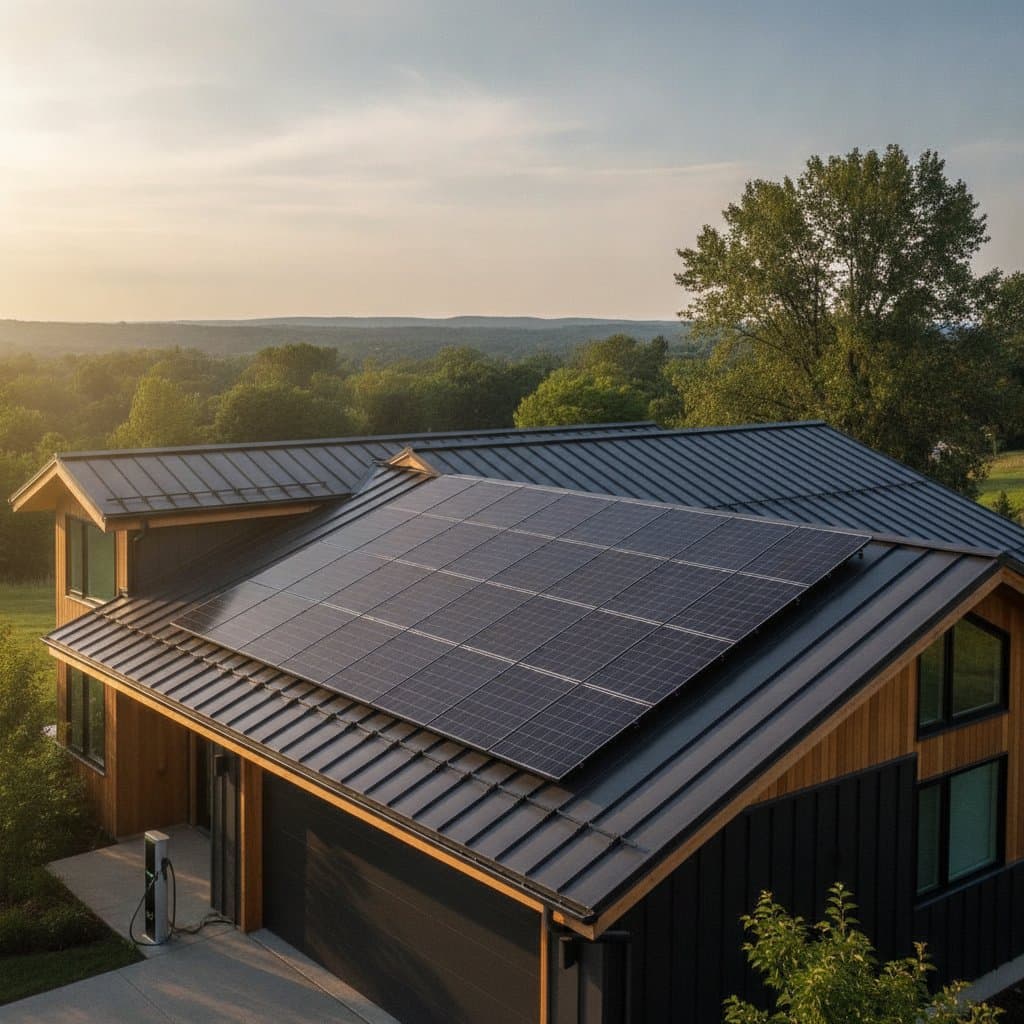
Why Metal Roofs Are Favored by Solar Installers Now
Many homeowners explore pairing a long lasting roof with clean solar power. The goal remains straightforward. Lower bills, increase comfort, and build resilience against rising energy costs. Solar panels deliver those gains, yet the roof beneath them matters just as much. More solar installers now recommend metal roofs because they simplify installation, extend system life, and reduce maintenance over time.
You do not have to overhaul an entire home to start saving energy. Choosing a roof that works in harmony with solar ranks among the smartest long term steps. Metal roofs prove one of the best surfaces for solar mounting systems, both for performance and durability.
Why Roof Type Matters for Solar
Solar energy systems convert sunlight into electricity through photovoltaic modules. The stability, angle, and longevity of the roof directly affect how much power those panels generate and how long the system lasts. A solar array typically operates for 25 to 30 years. If the roof must be replaced sooner, the panels must be removed and reinstalled, which adds cost and downtime.
This is where metal roofing stands out. A well installed metal roof can last 40 to 70 years. Its lifespan matches or exceeds that of a solar system, which means homeowners can install both once and enjoy decades of reliable service.
The Technical Fit Between Metal and Solar
When light hits a solar panel, electrons move within the silicon cells and create current. To keep that current consistent, panels need secure mounting, proper angling, and good ventilation. Metal roofs support these needs with ease.
Standing Seam Advantage
Standing seam metal roofs feature raised joints where panels lock together. Solar racking systems can clamp directly onto those seams without drilling holes. That approach avoids penetrating the roof surface, which reduces the chance of leaks. It also speeds up installation since no flashing or sealant is needed under each mount. Installers often report that attaching solar to a standing seam roof can take half the time compared to asphalt shingles.
Corrugated and Ribbed Panels
For corrugated metal roofs, special brackets and gaskets allow watertight mounting. These systems distribute panel weight evenly and prevent corrosion. Even when the roof profile is not perfectly flat, installers can adjust bracket height for optimal panel tilt. The result is a clean, efficient setup that looks integrated rather than added on.
Durability and Maintenance Value
Metal roofs resist cracking, curling, and warping. These problems often shorten the life of other materials. They shed water quickly, which helps prevent moisture buildup under panels. Snow slides off more easily, reducing weight on both the roof and panels. In hot weather, reflective coatings on metal surfaces lower attic temperatures, improving comfort and reducing cooling loads.
A typical 7 kilowatt solar system produces about 9,100 kilowatt hours each year in this region. At an average retail rate of 24 cents per kilowatt hour, that offsets around 2,180 dollars in annual electricity costs. When paired with a roof that needs little maintenance, the total savings hold steady without unplanned interruptions.
Cost and Payback
Metal roofing costs more upfront than asphalt, often between 9 and 14 dollars per square foot installed, depending on material and profile. Yet the long term math is compelling. Suppose a homeowner invests 30,000 dollars in a combined metal roof and solar system. With energy savings of roughly 2,000 dollars per year and reduced maintenance costs, the payback period can fall between 10 and 14 years. After that, the system continues to produce free electricity for decades.
Incentives can shorten that timeline. Federal tax credits, state rebates, and solar renewable energy certificates often reduce the initial cost by 20 percent or more. When the roof lasts twice as long as asphalt, future replacement costs are avoided as well.
Environmental and Lifestyle Benefits
Choosing a metal roof supports sustainability beyond energy generation. Most metal roofing contains recycled content and is 100 percent recyclable at the end of its service life. The reflective finish helps cut urban heat buildup, keeping surrounding areas cooler. When paired with solar, the result is a home that produces clean power and stays comfortable with less energy use.
Homeowners also notice quieter interiors during rain because of modern insulation layers. The combination of solar panels and underlayment further dampens sound. Over time, this creates a calm, efficient living space that aligns financial and environmental goals.
Common Barriers and How to Overcome Them
Some homeowners worry about the higher initial price or the look of metal panels. Yet new styles mimic shingles, slate, or tile while keeping all the advantages of metal. Roof color and finish options have expanded, allowing designs that fit both traditional and modern homes.
The second concern is finding experienced installers. The solution is to request quotes from companies that handle both metal roofing and solar integration. Ask for references, check warranty coverage, and confirm that racking systems are rated for your specific roof type.
Practical Next Steps
- Get a shade study. Ask a qualified solar professional to measure how much sunlight your roof receives through the year.
- Collect your electric bills. Twelve months of data will show your true usage pattern.
- Compare quotes. Request identical assumptions for system size, tilt, and production.
- Confirm incentives. Verify all rebates and credit eligibility before signing a contract.
- Plan for maintenance. Keep roof surfaces clear of debris. Schedule inspection every few years to check fasteners and coatings.
Final Considerations
A well chosen metal roof paired with solar panels can deliver decades of dependable energy production. The combination protects your home, lowers costs, and strengthens community resilience. Every installation helps reduce grid strain and emissions, one rooftop at a time.
FAQ
1. Can solar panels damage a metal roof?
No. When installed correctly, solar panels do not harm metal roofs. Clamps attach to seams or specially designed brackets, keeping the surface intact.
2. Do metal roofs make panels hotter and less efficient?
Metal roofs often stay cooler than asphalt because of reflective coatings. Cooler roof surfaces can slightly improve panel efficiency.
3. How long will a metal roof and solar system last together?
Most metal roofs last 40 to 70 years, while solar systems work for 25 to 30 years. Their lifespans align well, avoiding extra removal costs.
4. Can panels be removed if the roof needs repair?
Yes. Installers can detach and reinstall panels using the same mounting hardware, which simplifies any future repair.
5. Is a metal roof noisy during rain with solar panels installed?
Modern insulation, underlayment, and the panels themselves greatly reduce noise. Most homeowners find the interior quieter than before.