
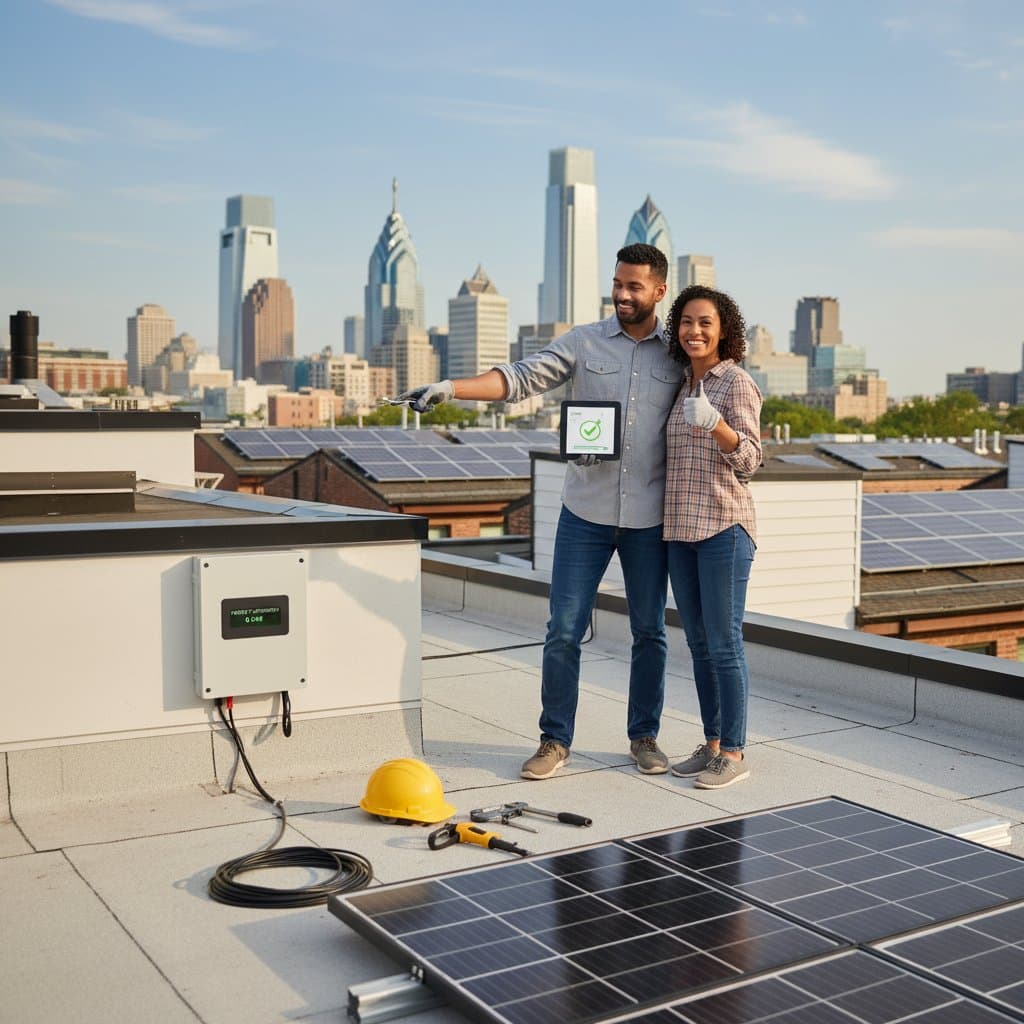
Understanding Philadelphia's Updated Solar Permitting Process
Philadelphia has introduced new rules for solar permitting that significantly reduce wait times for do-it-yourself installations. These changes address previous bottlenecks in the approval process, which often delayed projects by weeks or months. Homeowners now benefit from a more efficient system that encourages adoption of renewable energy.
The updates focus on simplifying administrative requirements while maintaining safety standards. Local authorities collaborated with solar industry experts to develop this streamlined approach. As a result, individuals interested in installing rooftop panels face fewer hurdles and can proceed with confidence.
Key Changes in the Permitting Rules
The core of the new rules involves an online submission portal that replaces paper-based applications. Previously, applicants submitted physical documents to city offices, leading to processing delays due to manual reviews. Now, digital uploads allow for automated initial checks, cutting initial review times from up to 30 days to just 5 to 10 business days.
Inspections represent another major improvement. Under the old system, scheduling an inspection could take additional weeks after approval. The revised process integrates faster coordination through an online calendar system, where inspectors prioritize solar projects. This adjustment ensures that certified installations receive prompt verification, often within 7 days of request.
Exemptions apply to smaller DIY systems, such as those under 10 kilowatts, which qualify for expedited reviews without full engineering plans. Larger setups still require detailed submissions, but the overall framework supports quicker turnaround. These modifications align with broader state initiatives to promote clean energy accessibility.
Preparing for Your DIY Solar Installation
Before starting any project, verify that your home suits a solar setup. Assess roof condition, orientation, and available space using basic tools like a solar pathfinder or online calculators. Philadelphia's building code requires systems to meet national electrical standards, so familiarize yourself with these guidelines early.
Gather necessary documentation, including property details, system specifications, and proof of equipment certification. The city's online portal provides templates to ensure completeness. Submitting incomplete applications leads to rejections, so double-check all fields before upload.
Select components from reputable manufacturers to avoid compatibility issues. Panels, inverters, and mounting hardware must comply with Underwriters Laboratories standards. Local solar supply stores offer guidance on selections that fit DIY skill levels.
Step-by-Step Guide to the Permitting Process
-
Register on the Online Portal: Create an account on the Philadelphia Department of Licenses and Inspections website. This step grants access to forms and tracking tools.
-
Complete the Application: Fill out the solar permit form with project details, such as array size, location, and electrical schematics. Upload photos of the installation site for reference.
-
Submit and Pay Fees: Fees range from 50 to 200 dollars based on system scale; payment occurs digitally. Expect confirmation within 24 hours.
-
Await Initial Review: City staff conduct a preliminary assessment for compliance. Respond promptly to any requests for additional information to maintain momentum.
-
Schedule Inspection: Once approved, book an inspection slot. Prepare the site by ensuring safe access and labeling all connections clearly.
-
Final Approval and Activation: After passing inspection, receive your certificate. Connect to the grid through your utility provider for net metering benefits.
This sequence typically spans 2 to 4 weeks, compared to the previous 8 to 12 weeks. Track progress via the portal dashboard for real-time updates.
Common Challenges and Solutions
DIY installers often encounter wiring complexities that require professional input. The new rules permit hybrid approaches, where homeowners handle mounting while hiring licensed electricians for connections. This flexibility reduces costs without compromising safety.
Weather delays pose another risk, particularly during rainy seasons. Plan installations for dry periods and include protective measures in your timeline. The permitting system now accounts for such factors by offering rescheduling options without penalties.
If issues arise during review, consult the city's solar resource guide, available on their website. Community workshops, hosted monthly, provide hands-on advice from experienced installers.
Benefits of Faster Permitting for Homeowners
Shorter wait times mean quicker returns on investment. Solar systems generate savings on electricity bills immediately upon activation, often recouping installation costs within 5 to 7 years. Philadelphia residents also qualify for state rebates that stack with federal incentives.
Environmental gains follow suit. Each residential array offsets carbon emissions equivalent to planting hundreds of trees annually. The streamlined process accelerates this impact across the city, supporting goals for reduced fossil fuel dependence.
Empowerment stands out as a key advantage. Homeowners gain skills in renewable energy management, fostering long-term sustainability practices. Many report increased property values, with solar-equipped homes selling 4 percent higher on average.
Maximizing Your Solar Project's Success
To fully leverage these rules, integrate energy storage solutions like batteries for backup power. The permitting process now includes provisions for such additions, ensuring comprehensive system approval.
Monitor performance post-installation using apps that track output and efficiency. Regular maintenance, such as panel cleaning, sustains optimal function and extends lifespan.
Philadelphia's commitment to solar innovation continues to evolve. Stay informed through local updates to adapt future projects accordingly. By embracing these opportunities, homeowners contribute to a cleaner, more energy-independent community.