
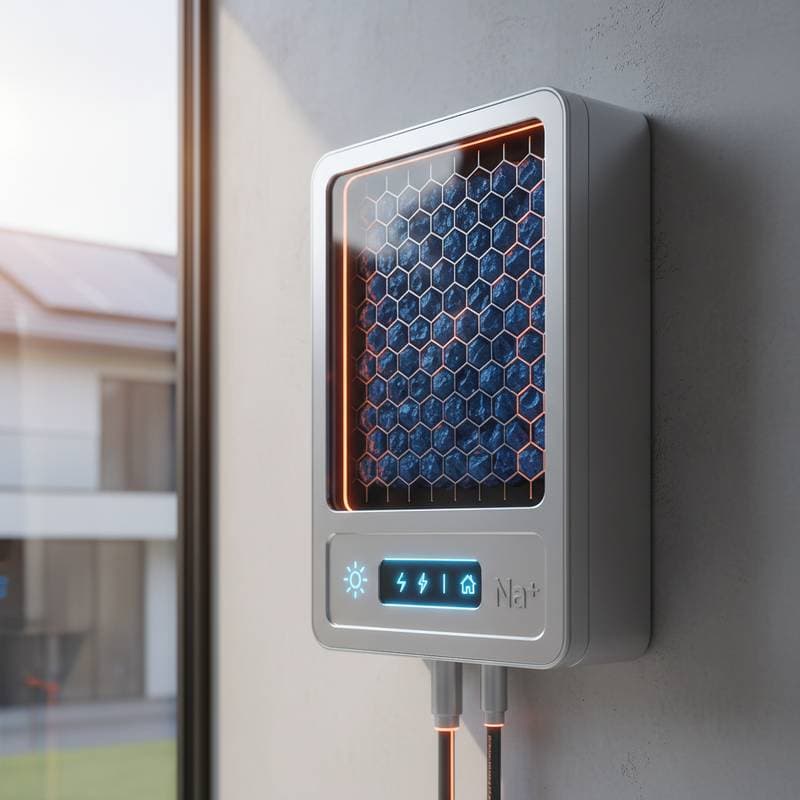
Sodium-Ion Batteries Make Solar Storage Affordable
Sodium-ion batteries emerge as a promising alternative to lithium-ion technology for residential solar energy storage. These batteries utilize abundant sodium instead of scarce lithium, which lowers costs and enhances safety. Homeowners benefit from reduced fire risks, simpler recycling processes, and reliable performance that supports sustainable energy independence.
For Philadelphia residents exploring solar options, sodium-ion systems align with local incentives and grid reliability needs. As production scales in 2025, these batteries will make solar storage accessible without compromising on efficiency or environmental responsibility.
Non-Toxic Components and Safety Features
Sodium-ion batteries incorporate materials that avoid hazardous elements like cobalt and nickel. These metals, common in lithium-ion designs, pose risks of releasing toxic compounds during damage or disposal. In contrast, sodium-based formulations rely on earth-abundant resources, minimizing environmental impact throughout the battery lifecycle.
Safety remains a priority in residential installations. Sodium-ion chemistry exhibits greater stability, particularly under high temperatures or mechanical stress. This reduces the likelihood of thermal runaway events that can lead to fires in traditional batteries.
To ensure safe operation, select enclosures rated for indoor or outdoor use based on installation location. Monitor for signs of issues such as swelling, leakage, or irregular inverter performance. In such cases, disconnect the system immediately and consult a licensed electrician or solar technician for inspection.
Cost and Supply Chain Advantages
Sodium ranks among the most plentiful elements on Earth, enabling local sourcing and utilization of established chemical processing facilities. This availability disrupts traditional supply chain vulnerabilities associated with lithium mining in remote regions.
Key benefits include substantial reductions in material expenses. Sodium compounds prove far less costly than lithium or cobalt equivalents, potentially halving production expenses for battery packs. Manufacturers anticipate that these savings will translate to lower prices for consumers installing mid-sized solar storage systems.
Supply chain stability further enhances appeal. Domestic production capabilities decrease reliance on international imports, shielding against geopolitical disruptions and fluctuating commodity prices. Additionally, recycling processes for sodium-ion batteries require fewer steps and generate less hazardous waste compared to lithium-ion counterparts.
These advantages position sodium-ion technology as a frontrunner for affordable solar adoption. Early prototypes from leading producers already demonstrate cost efficiencies that surpass current lithium systems, paving the way for widespread residential integration.
Comparing Sodium-Ion to Lithium-Ion
A side-by-side evaluation highlights the strengths of sodium-ion batteries for stationary solar applications. While lithium-ion excels in portable devices due to superior energy density, sodium-ion prioritizes cost, safety, and sustainability for home use.
| Feature | Sodium-Ion | Lithium-Ion |
|---|---|---|
| Material Cost | Very low | High |
| Energy Density | Moderate | High |
| Fire Risk | Low | Moderate to High |
| Temperature Range | Wide | Narrow |
| Recycling Complexity | Low | High |
| Availability | Abundant | Limited |
Analysts project that sodium-ion will capture significant market share in both large-scale and residential sectors. The moderate energy density suits fixed installations, where space constraints matter less than overall affordability and reliability.
Real-World Use and Scalability
Pilot initiatives worldwide validate the performance of sodium-ion batteries paired with solar arrays. These trials reveal consistent energy delivery across thousands of charge-discharge cycles, with degradation rates lower than expected for emerging technologies.
In everyday residential settings, sodium-ion storage delivers practical advantages. Systems provide essential backup during power outages, ensuring continuity for critical appliances. They capture surplus daytime solar generation for evening consumption, optimizing self-use and minimizing grid draws.
Further, these batteries mitigate exposure to variable utility rates by enabling strategic energy management. Integration with smart home devices facilitates time-of-use scheduling, aligning consumption with off-peak pricing. As manufacturing volumes increase, scalability will drive costs below current lithium benchmarks, benefiting new solar installs and existing system upgrades.
Community solar projects also demonstrate viability. Shared storage solutions using sodium-ion technology enhance collective efficiency, reducing transmission losses and supporting local renewable goals.
Achieving Reliable Solar Independence
Transitioning to sodium-ion storage empowers homeowners to build resilient energy systems. These batteries complement rooftop panels by storing clean power affordably, fostering independence from fossil fuel-dependent grids.
Philadelphia's solar landscape, bolstered by state rebates and net metering policies, amplifies these gains. Residents can expect enhanced return on investment through durable, low-maintenance storage that withstands regional weather variations.
By adopting sodium-ion solutions, individuals contribute to broader sustainability efforts. Reduced reliance on rare materials promotes equitable access to renewables, while inherent safety features protect families and properties. As 2025 approaches, this technology stands ready to transform solar storage into a standard for eco-conscious living.