
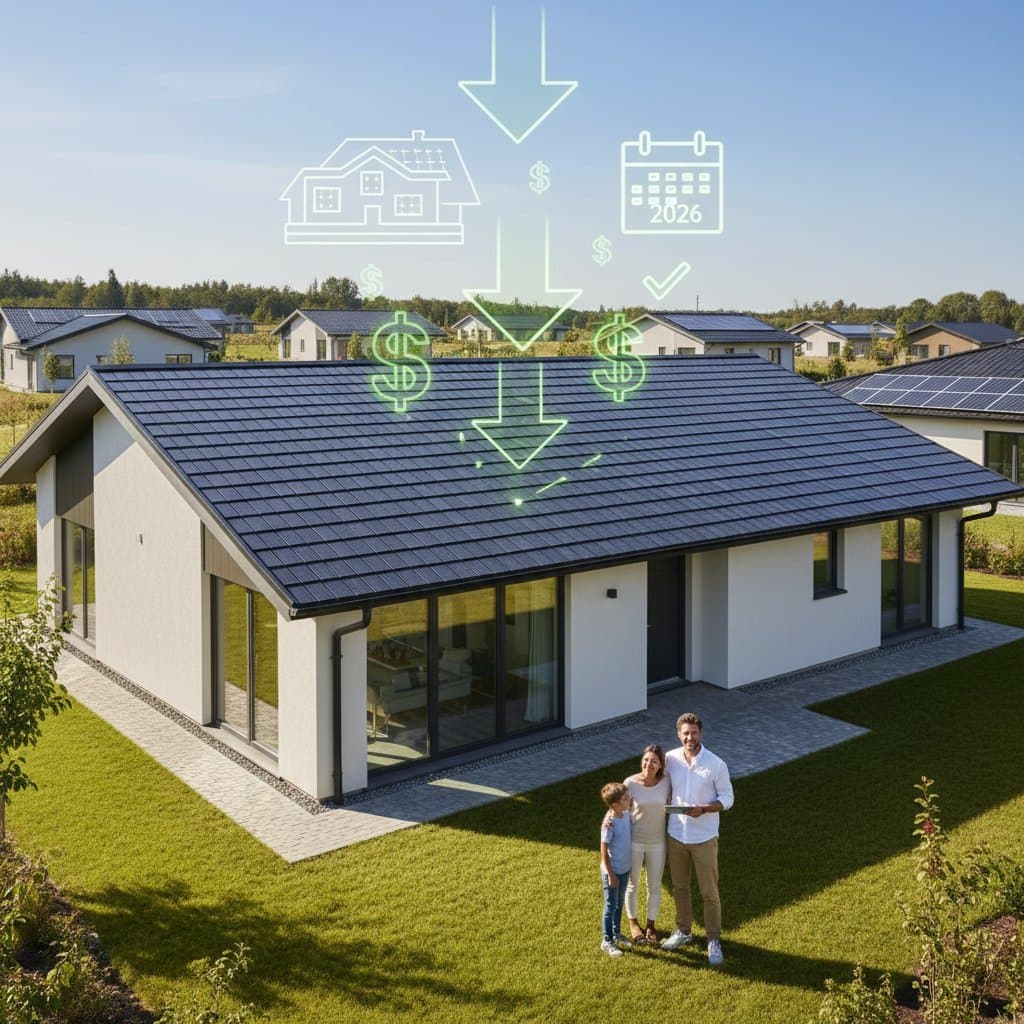
Understanding Solar Shingles
Solar shingles represent an innovative fusion of roofing materials and photovoltaic technology. These shingles integrate solar cells directly into the roofing surface, allowing homes to generate electricity while maintaining a sleek, traditional roof appearance. Unlike bulky solar panels, solar shingles blend seamlessly with existing architecture, offering a discreet way to adopt renewable energy.
Homeowners often choose solar shingles for their dual purpose: protection from weather elements and production of power. This technology has evolved rapidly, with manufacturers improving efficiency and durability to meet diverse climate demands. As adoption grows, the focus shifts to affordability, which recent policy changes address effectively.
The 2026 IRS Policy Update
In 2026, the Internal Revenue Service introduces expanded guidelines under the federal Investment Tax Credit program. Previously limited to traditional solar panels, the credit now includes integrated solar roofing systems like shingles. This adjustment recognizes solar shingles as a qualified renewable energy installation, eligible for the full 30 percent credit on costs.
The policy aims to accelerate the transition to sustainable housing by incentivizing advanced technologies. Lawmakers highlight the environmental benefits, such as reduced carbon emissions, alongside economic advantages for property owners. This inclusion marks a significant step in making green innovations accessible to a wider audience.
Eligibility Requirements for the Tax Credit
To qualify for the federal tax credit, installations must occur after the effective date of the 2026 rules. Homeowners need to ensure the solar shingles come from certified manufacturers that meet IRS standards for energy production. The system must connect to the home's electrical grid or operate as a standalone setup, with proper documentation from licensed installers.
Professional installation remains essential, as DIY efforts typically do not qualify. Properties must serve as the taxpayer's primary residence, though secondary homes may qualify under specific conditions. Consulting a tax professional helps verify compliance and maximize deductions.
Calculating Potential Savings
The federal tax credit covers 30 percent of total qualified expenses, including materials, labor, and permitting fees. For a typical 2,000-square-foot roof requiring 20 squares of solar shingles, costs range from $40,000 to $60,000 before incentives. After applying the credit, savings amount to $12,000 to $18,000, substantially lowering the net investment.
Additional state rebates or utility programs may further reduce expenses, depending on location. Over 25 years, the system could generate up to 10,000 kilowatt-hours annually, offsetting electricity bills by thousands. These figures vary by sunlight exposure and energy usage patterns, underscoring the value of site-specific assessments.
Steps to Install Solar Shingles
Begin by evaluating your roof's condition and suitability through a professional inspection. Solar shingles require a sturdy, south-facing surface with minimal shading for optimal performance. Select a reputable installer experienced in integrated systems to ensure warranty coverage and code adherence.
Next, obtain necessary permits and schedule the project, which typically spans one to three days. Post-installation, connect the system to your home's inverter and monitor output via integrated apps. Finally, file IRS Form 5695 with your tax return to claim the credit, retaining all receipts for records.
- Conduct a roof assessment.
- Choose certified products and installers.
- Secure permits and complete installation.
- Integrate with home electrical systems.
- Apply for the tax credit during filing.
Design and Performance Advantages
Solar shingles offer aesthetic versatility, mimicking slate, wood, or asphalt in various colors and textures. This design flexibility preserves curb appeal while enhancing property value, often by 4 to 6 percent according to industry estimates. Durability matches standard roofing, with warranties extending 25 years or more against weathering.
Performance-wise, modern models achieve 18 to 22 percent efficiency in energy conversion, rivaling traditional panels. They withstand hail, wind, and temperature extremes, reducing maintenance needs. Integration simplifies upkeep, as repairs address both roofing and solar functions simultaneously.
Long-Term Benefits for Homeowners
Adopting solar shingles positions homeowners at the forefront of energy independence. Reduced reliance on grid power lowers utility costs over decades, while the tax credit accelerates payback periods to 7 to 10 years. Environmentally, each installation avoids thousands of pounds of CO2 emissions annually, contributing to broader sustainability goals.
Properties with solar features attract eco-conscious buyers, potentially increasing resale speed and price. Insurance premiums may decrease due to enhanced resilience against storms. Overall, this upgrade transforms routine roof replacement into a strategic investment in efficiency and resilience.
Seizing Opportunities in Renewable Roofing
The 2026 tax credit expansion opens a timely window for homeowners to integrate solar technology. By acting promptly, individuals secure savings and align with rising energy demands. Professional guidance ensures smooth implementation, turning policy benefits into tangible home improvements.