
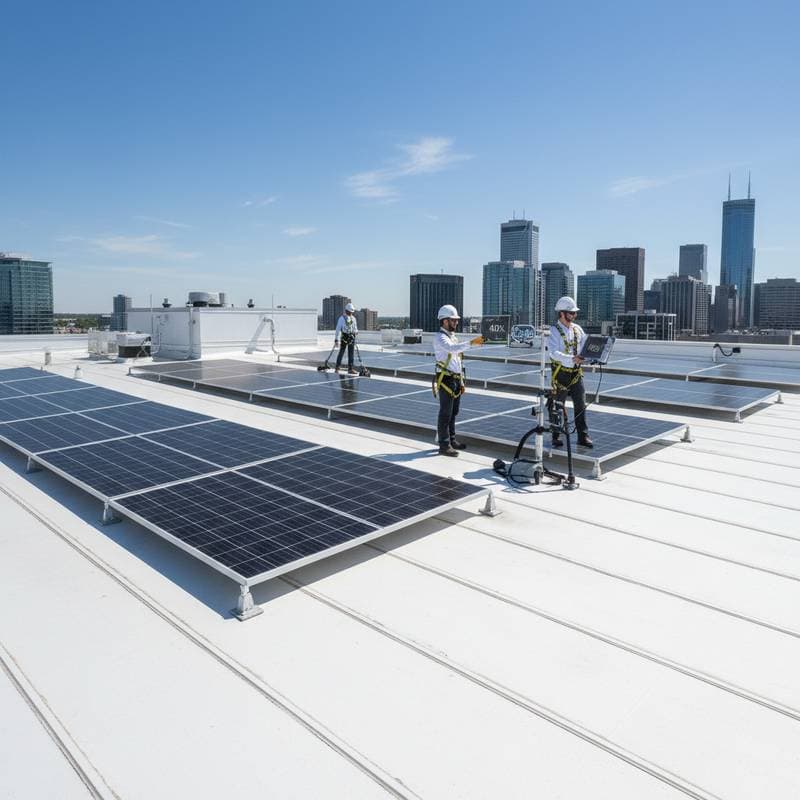
Harness 40 Percent Energy Savings Through Cool Roofs and Solar Integration
A roof serves beyond basic shelter from weather elements. It significantly influences indoor climate control and household energy demands. In Philadelphia, with its intense summer heat and humidity, selecting an appropriate roofing solution lowers air conditioning expenses and prolongs roof durability. Combining a cool roof with solar panels establishes an advanced setup capable of decreasing overall energy use by up to 40 percent.
Cool roofs utilize materials that reflect solar radiation rather than absorb it, maintaining lower surface temperatures. Solar panels, meanwhile, transform sunlight into electricity. When installed in tandem, these components complement each other: the reflective surface cools the panels for better efficiency, and the panels provide shade to further reduce roof heat buildup.
Philadelphia homeowners benefit particularly from this pairing due to the city's variable climate. Hot days strain cooling systems, but reflective roofs can mitigate urban heat island effects, common in dense neighborhoods. Studies from energy experts indicate that such systems not only cut immediate costs but also contribute to broader environmental goals, like reducing carbon emissions from fossil fuel-based power.
The Synergy Between Solar Panels and Cool Roofs
Solar panel efficiency declines with rising temperatures. Standard panels experience a performance drop of about 0.5 percent per degree Celsius above 25 degrees Celsius. A cool roof mitigates this by keeping the underlying structure cooler, potentially increasing energy output by 10 to 15 percent during peak summer months.
This interaction, known as solar synergy, creates a feedback loop of benefits. The roof's reflective coating bounces away up to 80 percent of sunlight, dropping surface temperatures by 50 degrees Fahrenheit or more compared to dark asphalt shingles. In turn, elevated panels shade portions of the roof, preventing localized hot spots and extending the lifespan of roofing materials.
For Philadelphia properties, this synergy proves especially valuable. Local solar incentives, such as those from the Pennsylvania Sunshine Solar Program, amplify returns on investment. Homeowners report annual savings of $500 to $1,000 on utility bills, depending on home size and energy habits, with payback periods shortening to five to seven years.
Quantifying Cooling and Energy Reductions
The dual advantages of cool roofs and solar panels address energy use from both the demand side and the supply side. Reflective properties decrease the need for mechanical cooling by keeping attics up to 30 degrees Fahrenheit cooler. Solar generation then supplies clean power to offset any remaining electricity requirements, leading to comprehensive savings.
In warm regions like the Mid-Atlantic, properly designed systems yield 40 percent reductions in total energy costs. This figure accounts for both summer cooling peaks and year-round electricity offsets. For a typical 2,000-square-foot Philadelphia home, this translates to avoiding 5,000 to 7,000 kilowatt-hours of grid power annually.
Essential Factors Influencing Performance
-
Orientation and Pitch: Optimal solar capture occurs on south-facing roofs with a 20- to 40-degree tilt. Reflective coatings perform best on unobstructed, sun-exposed areas to maximize heat deflection.
-
Attic Insulation and Airflow: High R-value insulation paired with ridge and soffit vents ensures heat escapes efficiently. Without adequate ventilation, even reflective surfaces may allow moisture buildup, risking mold in humid Philadelphia summers.
-
Material Selection and Compatibility: Choose Energy Star-rated reflective coatings or membranes with solar reflectance indices above 78. Ensure mounting hardware, like racking systems from reputable manufacturers, uses corrosion-resistant seals compatible with reflective surfaces to prevent leaks.
Engage a contractor certified by the North American Board of Certified Energy Practitioners for solar and familiar with cool roof standards. They assess site-specific conditions, such as wind loads in Philadelphia's variable weather, to guarantee structural integrity.
Ensuring Durability Through Maintenance
Sustaining peak performance in a cool roof and solar setup demands regular attention. Conduct inspections biannually, focusing on accumulations of dirt, bird droppings, or urban pollutants that dull reflectivity. Clean panels with soft brushes and mild soap to restore up to 5 percent lost efficiency from grime.
Monitor mounting points for secure attachments, particularly after winter storms common in the region. Replace any compromised sealants immediately to avoid water intrusion, which could undermine both the roof and panel warranties.
Tree branches pose another risk; trim them to maintain full sun exposure and minimize leaf debris that traps moisture. With diligent care, cool roofs last 20 to 30 years, and solar panels up to 25 years, while the shading effect from panels further shields the roof from UV degradation.
Long-term value extends beyond savings. Increased home resale value, often 3 to 4 percent premium for energy-efficient features, plus potential rebates from local utilities, make this investment compelling. Philadelphia's net metering policies allow excess solar production to credit future bills, enhancing financial returns.
Practical Steps for Philadelphia Homeowners
-
Arrange a Professional Roof Assessment: Contact a licensed roofer specializing in cool coatings and solar mounts to evaluate current roof condition and suitability for upgrades.
-
Conduct an Energy Usage Analysis: Hire an auditor to model savings based on your home's consumption patterns, roof size, and local sunlight hours, typically 4.5 peak sun hours daily in Philadelphia.
-
Research Certified Products: Consult directories from the Cool Roof Rating Council for reflectance ratings and the Solar Energy Industries Association for panel reliability to select durable options.
-
Secure Necessary Approvals: Submit plans to the Philadelphia Department of Licenses and Inspections for permits, ensuring compliance with building codes and fire safety spacing for solar arrays.
-
Establish a Maintenance Routine: Schedule professional cleanings annually and set reminders for self-inspections to preserve system efficiency over decades.
Integrating cool roofs with solar panels offers Philadelphia residents a reliable strategy for reducing energy expenses, enhancing home comfort, and supporting sustainable living. Expert installation and ongoing care maximize these advantages, delivering lasting performance tailored to local conditions.