
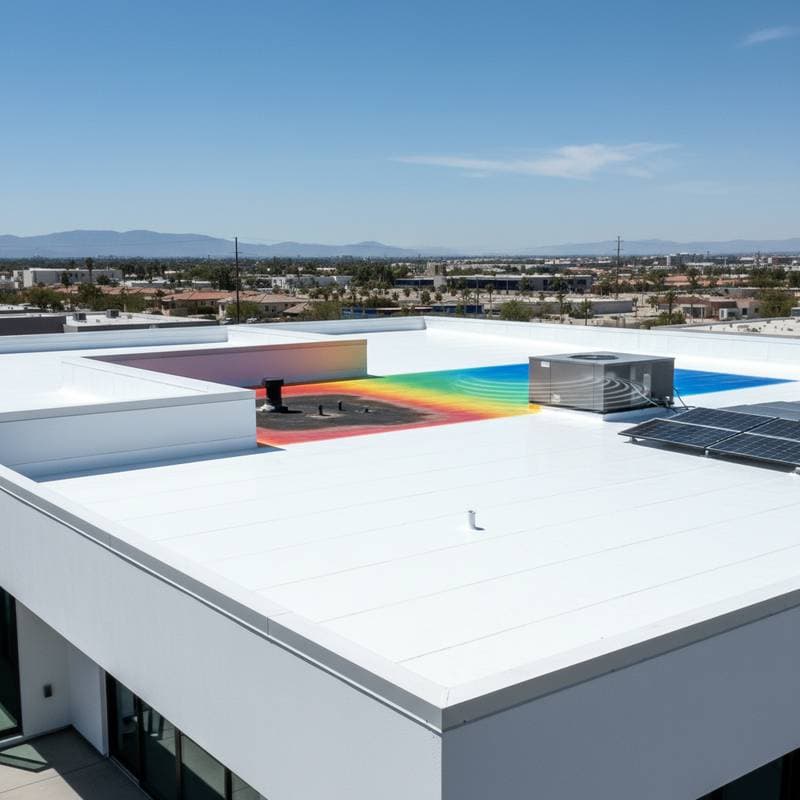
Combat Summer Heat: Roof Coatings Reduce AC Use by 40 Percent by 2026
Maintaining a comfortable home temperature during summer challenges both livability and finances. Air conditioning systems operate more intensely as roof surface temperatures increase. In numerous Philadelphia residences, dark asphalt roofs capture sunlight and retain heat within the structure. Reflective roof coatings provide an effective remedy. These specialized materials decrease roof surface temperatures and diminish air conditioning requirements by up to 40 percent with appropriate application.
Roofs as Primary Heat Generators
A dark-colored roof often exceeds twice the ambient outdoor temperature on clear days. This accumulated heat radiates into attics and occupied areas. Consequently, indoor temperatures rise, cooling cycles extend, and energy expenses mount. Even homes with robust insulation eventually experience this thermal infiltration. Roofing materials further deteriorate due to ultraviolet radiation and repeated thermal cycling over time.
Reflective coatings disrupt this heat accumulation process. Rather than retaining sunlight, they redirect the majority of it away from the surface. The roof remains cooler, and reduced heat enters the building interior. This adjustment impacts attic conditions, heating, ventilation, and air conditioning efficiency, and overall roof lifespan simultaneously.
Mechanisms Behind Effective Cool Roof Coatings
Cool roof coatings incorporate reflective pigments combined with durable binders. They form a seamless layer that fills minor fissures and repels solar energy. Prevalent options include:
- Acrylic formulations resistant to ultraviolet degradation, available in white or light gray hues.
- Silicone variants tolerant of pooled water and extreme weather, suitable for flat or low-slope configurations.
- Elastomeric types that accommodate expansion and contraction from temperature fluctuations without fracturing.
Each formulation possesses a solar reflectance index. Elevated reflectance signifies greater sunlight deflection. Superior coatings also exhibit strong thermal emittance, facilitating rapid release of any captured heat. These properties collectively minimize roof surface heat and sustain lower building temperatures.
Safety Considerations and Application Boundaries
Applying roof coatings entails risks from elevated work, proximity to electrical components near utility masts, and chemical exposure. Homeowners should identify limitations and engage certified roofing or electrical specialists as needed. Avoid coating areas where electrical lines approach the surface closely. Interaction between liquid coating and energized wires may lead to electrocution or ignition.
Prior to commencing any coating initiative:
- Examine for structural issues. Address soft areas, leaks, or unsecured flashing prior to application.
- Verify electrical separations. Adhere to local regulations mandating distance between roof planes and utility drops.
- Assess material suitability. Certain coatings fail to adhere to asphalt or prior finishes.
- Implement fall safeguards. Stabilize ladders, utilize slip-resistant shoes, and refrain from work during high winds or precipitation.
Certified contractors possess essential protective gear and liability coverage. They conduct adhesion tests and apply materials at specified thicknesses. Faulty application risks moisture entrapment and early deterioration.
Advantages in Energy Efficiency and Indoor Comfort
Reflective coatings lower roof temperatures by up to 50 degrees Fahrenheit during peak heat. This reduction influences attic and ceiling environments directly. In typical residences, air conditioning consumption decreases by 20 to 40 percent. Outcomes vary based on initial roof hue, insulation quality, and airflow systems.
Philadelphia features abundant flat and low-slope roofs that retain heat throughout daylight hours. A reflective layer substantially mitigates indoor heat accumulation. Integrating with enhanced attic insulation and airtight seals yields cooling load reductions approaching 50 percent relative to untreated dark roofs.
Enhancements to Roof Durability and Upkeep
Intense heat hastens material fatigue in roofs. Asphalt and synthetic membranes undergo cycles of expansion and contraction, resulting in fractures and separations. Cooler surfaces endure reduced thermal strain. Coatings further shield against ultraviolet damage that erodes roofing integrity progressively.
A protected roof extends its service life by multiple years through routine care. The barrier also plugs small breaches and averts water penetration. For commercial or multi-unit properties, such measures curtail upkeep expenses and operational interruptions.
Compliance with Philadelphia Regulations and Permitting
Philadelphia mandates adherence to guidelines from the Department of Licenses and Inspections for cool roof projects. Numerous products feature Energy Star or Cool Roof Rating Council certifications. These endorsements validate reflectance and emittance capabilities. Confirm product approval for specific roof assemblies before proceeding.
Certain coatings modify fire resistance ratings. Non-certified selections may invalidate guarantees or breach standards. Obtain supplier certifications and verify regulatory alignment prior to acquisition. Professionals handle permitting and inspection coordination.
Homeowner Guide: Preparation and Oversight Steps
Although complete application generally requires experts, homeowners can assist in preparation and supervision while prioritizing safety.
- Conduct visual assessment. Identify standing water, bubbled sections, or visible joints. Note these for remediation.
- Clear the surface. Employ gentle pressure washing or brushing to eliminate contaminants. Ensure thorough drying.
- Monitor conditions. Proceed only if temperatures align with product specifications for a minimum of 24 hours.
- Evaluate primer requirements. Some substrates demand an adhesion promoter before the primary layer.
- Execute initial layer. Experts apply via rollers or sprays for uniform distribution.
- Observe drying intervals. Subsequent layers follow once the prior coat hardens sufficiently.
- Review completion. Scan for voids, inconsistencies, or inadequate thickness.
Homeowners must avoid zones adjacent to electrical access or on steep inclines. Delegate inaccessible or hazardous sections to qualified roofers.
Selecting Optimal Coating Products
Choices hinge on roof geometry and environmental demands. Flat commercial surfaces favor silicone options resilient to water accumulation. Pitched shingle assemblies suit acrylic or elastomeric products designed for angled installations.
Evaluate solar reflectance metrics. Coatings exceeding 0.8 in white variants deflect over 80 percent of solar energy. Lighter grays offer marginally lower reflection yet harmonize with local visuals.
Request demonstration samples and technical specifications. Established producers supply lab-verified performance data. Steer clear of undocumented or basic formulations lacking verification.
Broader Environmental and Neighborhood Effects
Cool roofs elevate community well-being beyond single properties. Concentrations of reflective surfaces diminish local air temperatures. This urban cooling phenomenon enhances air purity and curbs pollutant buildup.
Reduced energy consumption translates to lower emissions from electricity production. Outcomes include improved atmospheric quality and reliable indoor climates amid extreme heat. For properties equipped with solar panels, cooler roofs preserve optimal photovoltaic output.
Investment Costs and Return Timeline
Upfront expenses fluctuate with formulation and area coverage. Installed rates typically span one to three dollars per square foot. Energy reductions and prolonged roof service recoup expenditures across a few summer periods.
Utility providers and municipal initiatives sometimes provide rebates or favorable financing for qualifying installations. Review prevailing criteria prior to commitment.
Post-Installation Validation and Maintenance
Annual evaluations sustain reflective roof performance. Inspect for accumulated grime, impact damage, or faded regions. Routine cleaning and localized reapplication preserve efficacy.
Professionals utilize handheld devices to measure ongoing reflectance. Consistent levels sustain savings. Gradual diminishment from environmental factors necessitates eventual renewal for maximum advantages.
Indicators Requiring Expert Intervention
Engage a certified roofer upon noticing:
- Ongoing leaks or moistened insulation.
- Utility lines or conduits proximate to the roof.
- Deteriorating, lifting, or delaminating layers.
- Indications of settling or deformation.
Specialists evaluate integrity, detect concealed moisture, and affirm bonding quality. They ensure regulatory conformity and warranty validity.
Action Plan for Philadelphia Homeowners
Initiate with a comprehensive roof evaluation to gauge existing state, insulation adequacy, and consumption patterns. Solicit proposals from accredited specialists in cool roof technologies. Inquire about performance metrics, coverage terms, and credential verification.
Document all project details, material profiles, and care records. These aid in claims processing and property valuation. Combining coatings with insulation enhancements and optimized heating, ventilation, and air conditioning yields amplified benefits.