
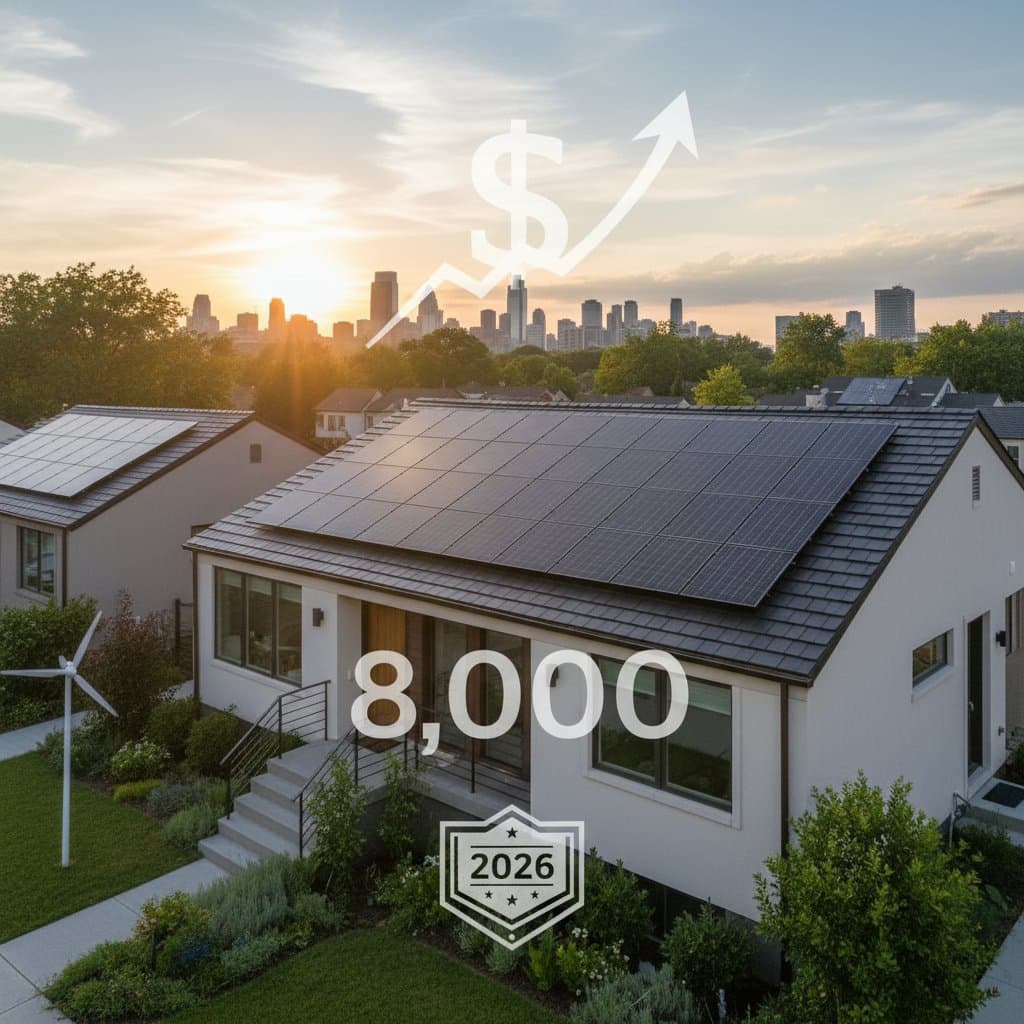
Unlock $8,000 in Savings: Combine Roof Replacement and Solar Installation in 2026
Homeowners often delay solar adoption due to the need for a roof upgrade. Solar panels require a stable, durable surface to perform optimally over decades. The 2026 solar roof rebate addresses this challenge directly. Eligible Philadelphia-area residents can reduce total project costs by up to $8,000 when bundling a qualified roof replacement with a new solar system. This approach not only lowers barriers to entry but also promotes lasting energy savings and home resilience.
The Value of the Solar Roof Rebate
Asphalt shingle roofs typically endure 20 to 25 years, whereas solar panels generate electricity for 30 years or longer. Installing panels on an aging roof risks future removal and reinstallation expenses, which may exceed several thousand dollars in labor and downtime. The rebate mitigates these risks by incentivizing simultaneous upgrades. Homeowners complete both tasks efficiently, avoiding redundant disruptions.
This program extends beyond cost relief to foster structural energy efficiency. Energy-efficient shingles reflect sunlight effectively, minimizing attic heat and enhancing indoor comfort. Integrated with solar panels, these features optimize energy capture and reduce reliance on air conditioning during peak summer months.
Mechanics of the Rebate Program
The rebate activates upon completing a new roof installation alongside a compliant solar energy system. Certified professionals document both elements for review. Upon verification, recipients receive funds as a direct rebate or contract deduction.
Key eligibility criteria include:
- Roofs constructed with materials certified for energy efficiency.
- Solar systems connected to the grid and equipped with UL-listed components.
- Installers possessing program-recognized certifications in roofing and solar work.
Consider a scenario with a roof suitable for a 7 kW solar array and a combined contract of $28,000. The $8,000 rebate adjusts the net cost to $20,000 prior to federal or state incentives, representing a substantial 29 percent immediate savings.
Illustrative Cost Analysis and Return on Investment
Examine a representative setup for a standard Philadelphia home. A 7 kW solar array generates approximately 1,300 kilowatt-hours per kW annually, yielding 9,100 kilowatt-hours total each year. At an average utility rate of 24 cents per kilowatt-hour, this offsets roughly $2,180 in annual electricity expenses, excluding fixed charges.
Post-rebate and initial incentives, the effective project cost approaches $18,000. Dividing this by yearly savings of $2,180 results in a payback period of slightly more than eight years. With panels operational for 25 to 30 years, lifetime net savings surpass $25,000, factoring in potential utility rate hikes.
Key Advantages of Integrated Upgrades
Pairing roof replacement with solar installation yields multifaceted returns exceeding mere bill reductions.
- Durable Solar Base: Fresh roofing secures panels against weather extremes for extended periods.
- Enhanced Home Comfort: Advanced shingles lower attic temperatures by 20 to 30 degrees Fahrenheit, easing cooling demands.
- Elevated Property Appeal: Residences featuring updated roofs and solar systems attract quicker sales at premium prices.
- Outage Protection: Adding battery storage enables the system to sustain critical appliances during power disruptions.
- Carbon Footprint Reduction: A 7 kW installation averts 4 to 5 tons of CO2 emissions annually.
Guide to Qualification and Application
- Assess Roof Condition: Arrange an inspection to evaluate current roof age and integrity.
- Review Usage History: Compile 12 months of electricity bills to determine optimal solar system size.
- Solicit Competitive Bids: Obtain proposals from contractors experienced in unified roofing and solar projects.
- Validate Compliance: Ensure your chosen installer confirms adherence to rebate specifications for materials and workmanship.
- Finalize and File: Approve the project design, then allow your contractor to process rebate documentation.
Ensuring Long-Term Performance
Routine upkeep suffices for both components. Clear panels of accumulated debris periodically and arrange expert evaluations every few years. Inspect roof seals and flashing following intense storms. Reputable solar panels include 25-year performance guarantees, while premium roofing products align with similar durability. Consistent attention guarantees reliable output over decades.
Complementary Practices for Maximum Efficiency
Solar and roofing enhancements perform best alongside mindful energy use. Implement these routines to amplify returns.
- Operate high-energy devices like washers and dryers during peak solar production hours.
- Install LED lighting and smart outlets to eliminate phantom power consumption.
- Set thermostats conservatively, adjusting by a few degrees to ease heating and cooling burdens.
- Opt for cold-water laundry cycles to decrease water heating demands.
Such adjustments can reduce overall electricity use by 10 to 15 percent, accelerating investment recovery.
Advancing Your Home Energy Strategy
If roof replacement looms on your horizon, the 2026 rebate presents an ideal alignment opportunity. Initiate the process with a comprehensive site evaluation from a vetted local specialist. Provide utility records and request detailed projections covering:
- Roof dimensions, pitch, and potential shading influences.
- Annual solar energy yield in kilowatt-hours.
- Comprehensive pricing with and without rebates.
- Projected return timeline and protection warranties.
These preparations empower informed choices that safeguard your property while curbing energy expenditures for generations. Each upgraded installation bolsters regional grid stability and supports economic vitality.
Frequently Asked Questions
Can I stack the solar roof rebate with additional incentives?
Yes, this rebate typically pairs with federal investment tax credits, state programs, and utility-specific offers.
What qualifies as an energy-efficient roof under the program?
Materials must demonstrate reflectivity and thermal resistance standards set by the rebate guidelines, such as cool-roof certified shingles.
How soon after installation can I expect the rebate payment?
Processing generally takes 4 to 6 weeks following submission of verified documentation by your installer.
Does the rebate apply to partial roof replacements?
Full replacements are required; partial repairs do not qualify for the combined incentive.