
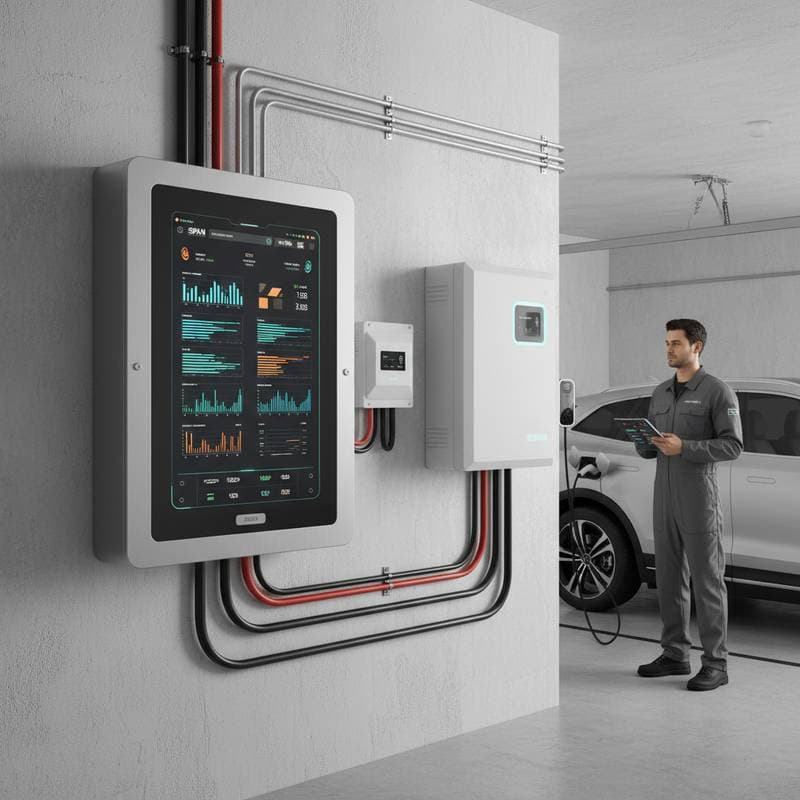
SPAN Panel: Master Home Energy Control by 2026
Homeowners seek ways to reduce energy costs, embrace sustainability, and manage power usage more effectively. The electrical panel serves as the core of every home's energy system, yet it often receives little focus. The SPAN panel transforms this traditional breaker box into a smart, connected hub that provides precise circuit management. For residences incorporating solar arrays, battery storage, or electric vehicles, this upgrade enhances efficiency, builds resilience, and delivers substantial long-term savings.
Why Smart Electrical Control Matters
A conventional panel distributes electricity without offering details on circuit-specific consumption or the devices contributing to higher bills. As electricity rates increase and home electrification expands, such limitations lead to unnecessary expenses. The SPAN smart electrical panel introduces visibility and automation across all circuits. Users gain access to real-time usage data, establish priorities for backup power, and manage circuits remotely via a mobile application.
Consider a scenario where the refrigerator, heating, ventilation, and air conditioning system, along with the water heater, account for 60 percent of total power draw. Armed with this information, homeowners can schedule laundry or electric vehicle charging during off-peak periods, thereby lowering costs while preserving daily comfort levels.
How the SPAN Panel Works
The SPAN panel replaces a standard breaker box with a digital unit that connects to a home's Wi-Fi network and integrates with compatible devices, batteries, or solar inverters. Every circuit receives measurement and control capabilities through embedded sensors that monitor current flow.
When integrated with a battery system, the panel automatically disconnects non-essential loads during power outages, extending runtime for critical appliances. Homeowners configure these priorities within the application; for instance, they can maintain power to the refrigerator, essential lighting, and internet router while temporarily halting the clothes dryer or pool pump. This granular approach enables intelligent power allocation, avoiding the need to interrupt all systems simultaneously when backup resources dwindle.
Costs and Savings
The SPAN panel itself ranges from $3,500 to $5,000, excluding installation. Professional labor and permitting fees typically add $1,000 to $2,500, influenced by the existing wiring setup. A full installation often totals around $6,000.
Savings vary based on utilization of the provided data. A household that relocates 25 percent of its energy load to lower-rate periods could save $300 to $600 annually, assuming a rate of 24 cents per kilowatt-hour. Across a decade, these reductions offset a significant portion of the initial investment. In homes equipped with batteries, benefits amplify as the panel optimizes usage patterns, potentially eliminating the need for an additional 5 kWh battery module that costs approximately $4,000.
Incentives and Compatibility
Numerous utility programs and state initiatives recognize the SPAN panel as a qualifying smart energy solution, making it eligible for rebates linked to demand response or load management. When paired with solar installations, the panel synchronizes with the inverter to monitor production and consumption in unison. This integration verifies system performance and enables precise scheduling for high-demand tasks, such as electric vehicle charging or water heating.
Installation and Integration Steps
A licensed electrician must handle the SPAN panel installation. The process follows these key phases:
- Assessment: Evaluate the current panel's capacity, service amperage, and available space for breakers.
- Design: Categorize circuits as essential or non-essential based on household needs.
- Permitting: Obtain necessary electrical and utility approvals.
- Installation: Remove the existing panel, rewire circuits, and establish internet connectivity.
- Setup: Install and configure the mobile application, label circuits, and assign backup priorities.
Most upgrades conclude within one to two business days, contingent on the home's electrical configuration.
Performance and Maintenance
After installation, the SPAN panel functions silently with minimal upkeep requirements. Firmware updates occur automatically via the application. Solid-state relays supplant traditional mechanical breakers, minimizing mechanical degradation over time.
Homeowners monitor system status through the dashboard at their convenience. Ongoing maintenance focuses on periodic reviews of circuit data and adjustments to settings as household routines change. Adding a heat pump or electric vehicle, for example, allows straightforward updates to priority configurations within the app.
High Impact and Small Step Options
Integrating the SPAN panel aligns with a comprehensive home energy plan. High-impact initiatives encompass:
- Combining the panel with rooftop solar panels and battery storage for seamless energy management.
- Installing heat pump systems for heating, ventilation, air conditioning, or water heating to achieve full electrification.
- Leveraging panel insights to determine the optimal size for renewable energy setups.
Medium-impact strategies include:
- Linking the panel to a smart thermostat for enhanced climate control.
- Automating schedules for electric vehicle charging and water heating.
- Identifying and mitigating standby power consumption through app analytics.
Low-cost entry points involve:
- Conducting weekly reviews of circuit usage to detect anomalies.
- Rescheduling energy-intensive tasks to off-peak times.
- Deactivating circuits for infrequently used spaces or seasonal equipment.
These measures progressively build energy awareness and eliminate inefficiencies, regardless of budget constraints.
Hidden Benefits
The SPAN panel extends value beyond direct savings by enhancing convenience and security. In the event of a grid failure, users view projected backup duration and modify loads accordingly to maximize availability. The system also records operational data, which proves valuable for insurance documentation or property sales.
Prospective buyers often regard advanced electrical infrastructure as a desirable upgrade, potentially elevating market value. Furthermore, precise management of ventilation, air filtration, and heating, ventilation, and air conditioning systems fosters improved indoor air quality and mitigates moisture-related issues.
Next Steps for Homeowners
Begin by compiling the past 12 months of utility statements to establish current consumption patterns. Consult a certified electrician experienced in SPAN installations for a comprehensive home energy evaluation. Request a detailed quote covering labor, application configuration, and warranty terms. If solar systems exist or are planned, verify compatibility with specific inverters and battery models.
Following installation, dedicate the initial weeks to analyzing energy trends via the application. Implement load shifting and configure notifications for deviations. Consistent adjustments yield reduced expenses and heightened household efficiency over time.
The SPAN panel empowers every home to shape its energy future through targeted, circuit-level oversight, promoting sustainable practices, financial prudence, and enhanced resilience.
FAQ
What makes a SPAN panel different from a regular breaker box?
A SPAN panel measures and controls individual circuits via a digital interface, enabling phone-based monitoring and management of usage.
Can SPAN work without solar panels?
Yes. The panel operates as an intelligent load center independently of solar. Users can incorporate solar or battery systems later without necessitating a panel replacement.