
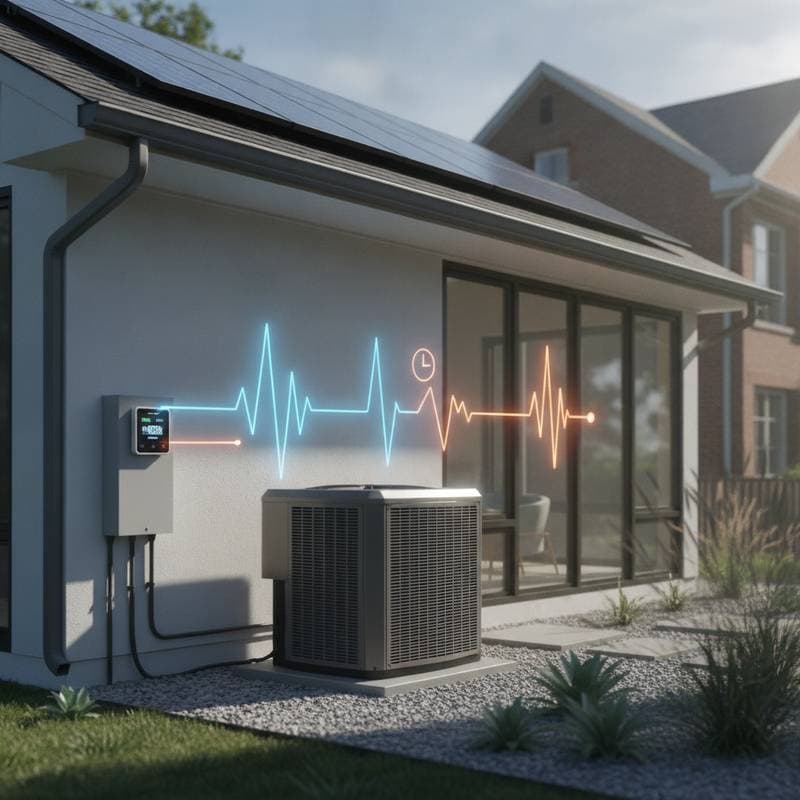
HVAC Load Shifting: Cut Bills 40% Without New Equipment
HVAC bills can feel difficult to control, especially during hot Philadelphia summers and cold winter periods. Many homeowners assume savings require a new heat pump, smart thermostat, or solar battery. Often, the first opportunity is simpler. You can shift when your heating and cooling system runs, while keeping your home comfortable and avoiding major equipment purchases.
HVAC load shifting means moving electricity use away from expensive utility periods and toward lower cost periods. With the right rate plan, weather forecast, thermostat settings, and home routines, some households can reduce HVAC related charges by 20 to 40 percent. Results depend on insulation, equipment efficiency, utility rules, and how much of your bill comes from time of use rates.
What HVAC Load Shifting Means
Electric utilities may charge different prices during different parts of the day. Time of use rates often assign higher prices to periods when demand is strong, such as late afternoon and early evening. Lower prices may apply during overnight hours or other periods with lighter demand.
HVAC load shifting uses the building itself as a temporary energy store. For cooling, you can pre cool the home before the expensive period begins. The air conditioner runs while electricity costs less. During the higher price period, the thermostat allows the indoor temperature to rise gradually.
For heating, the process works in reverse. The system warms the home before the high rate period, then reduces operation while prices are elevated. This strategy works best when the home holds its temperature well. Air sealing, attic insulation, quality windows, and closed ductwork help the stored heating or cooling last longer.
How the Strategy Works
Your thermostat controls when the HVAC system calls for heating or cooling. A basic programmable thermostat can support a simple schedule. A connected thermostat may adjust settings based on outdoor temperature, occupancy, humidity, and utility pricing.
A typical summer plan might look like this:
- Cool the home to 72 degrees before the high price period.
- Raise the cooling target to 75 or 76 degrees during the expensive period.
- Return to the preferred setting after rates fall.
- Use ceiling fans to improve comfort without lowering the thermostat.
The system does not need to run continuously before the rate change. Pre cooling should stop once the home reaches the target temperature. Excessive cooling can waste energy and raise humidity concerns.
A winter plan may lower the thermostat by 2 to 4 degrees during high price periods. Wear warm clothing and use room specific comfort measures when practical. Avoid large temperature changes if your heat pump uses backup electric resistance heat, since that backup mode can draw much more power.
A Simple Savings Example
Assume a home uses 1,000 kilowatt hours each month for heating and cooling. Suppose 40 percent of that use occurs during a high rate period.
Without load shifting:
- 400 kilowatt hours cost 30 cents each, or $120.
- 600 kilowatt hours cost 15 cents each, or $90.
- Total HVAC energy cost equals $210.
Now assume load shifting moves half of the high rate usage into the lower rate period:
- 200 kilowatt hours cost 30 cents each, or $60.
- 800 kilowatt hours cost 15 cents each, or $120.
- New HVAC energy cost equals $180.
The monthly savings total $30, or about 14 percent. A larger reduction may be possible when high rate prices are much higher, the home has strong thermal insulation, and the HVAC system uses a large share of total electricity.
A 40 percent reduction in the full electric bill is possible in some homes, but it is not automatic. Fixed utility charges, water heating, appliances, and lighting do not shift easily. Ask the utility for its tariff, which lists rate periods, delivery charges, eligibility rules, and seasonal details.
Why Solar Homeowners Have an Advantage
Solar panels often produce the most electricity during daylight hours. That production can support pre cooling, daytime heating, or water heating before evening demand rises. A solar monitoring system can show whether your HVAC system is using power while panels are producing it.
Suppose a 7 kilowatt solar system produces about 9,100 kilowatt hours per year, based on 1,300 kilowatt hours per kilowatt. If the home shifts 2,000 kilowatt hours of HVAC consumption into solar production hours, it may reduce purchases from the utility. The value depends on net billing rules, export credits, and the utility rate.
Solar does not remove the need to manage HVAC demand. A system can still export power during low value periods and draw expensive electricity later. Matching solar production with home cooling or heating can improve the value of each generated kilowatt hour.
Practical Steps Before Changing Your Schedule
Start with your utility account. Confirm whether you have time of use rates, seasonal pricing, demand charges, or a standard flat rate. Load shifting has the greatest financial value when prices vary.
Next, review interval usage data if the utility provides it. Look for HVAC spikes and compare them with expensive rate periods. A smart thermostat can help identify runtime, but thermostat data does not always show total electricity use. A circuit monitor or electrician can provide a clearer measurement.
Check the home before making aggressive schedule changes. Seal attic leaks, replace clogged filters, inspect duct connections, and confirm that supply vents remain open. A dirty filter makes the blower work harder and can restrict airflow.
Set gradual temperature changes. Test a 1 degree adjustment, then compare comfort and energy results. Keep humidity under control during cooling season. If anyone in the home has health concerns, prioritize safe indoor temperatures over bill savings.
Equipment, Warranty, and Maintenance Considerations
Load shifting should not force an HVAC system to operate outside its design limits. Frequent short cycles can reduce comfort and increase wear. Heat pumps need special care because large thermostat setbacks may activate resistance backup heat.
Keep manufacturer warranty requirements in mind. Most routine scheduling changes do not affect warranty coverage, but unauthorized electrical work or poor thermostat wiring can create problems. Use a qualified technician when replacing controls, modifying wiring, or troubleshooting a heat pump.
Review results each billing cycle. Compare HVAC runtime, indoor comfort, total kilowatt hours, and charges. Savings should be measured against the same weather conditions when possible. A utility bill may rise during an extreme temperature period even when load shifting works well.
Next Steps for Philadelphia Homeowners
How often should I check performance?
Review your utility bill each month and compare HVAC runtime against rate periods. Track indoor comfort levels during temperature setbacks. Adjust your schedule when outdoor conditions change significantly.
What should I monitor first?
Focus on your highest rate periods and largest HVAC usage spikes. Identify which rooms maintain temperature longest. Note any comfort complaints from household members.
When should I adjust my approach?
Modify your schedule when utility rates change or when you notice comfort issues. Update settings seasonally as heating and cooling demands shift. Revisit your plan after major weather events or home improvements.
How do I maintain comfort during setbacks?
Use ceiling fans during cooling periods. Layer clothing during heating setbacks. Close blinds on sunny windows in summer and open them in winter. Run bathroom and kitchen exhaust fans briefly after showers or cooking.
What happens if my system struggles?
Return to your original schedule if the home takes too long to recover temperature. Check air filters and clean condenser coils. Schedule a professional inspection if the system runs continuously without reaching set points.
How do I involve other household members?
Explain the rate schedule and expected comfort changes. Set clear temperature limits that everyone accepts. Create a simple override process for unusual days or guests.
What records should I keep?
Note your starting schedule and temperature settings. Record monthly energy costs and comfort observations. Track any utility rate changes that affect your savings calculations.