
Farming Under Solar Panels Doubles Income by 2025
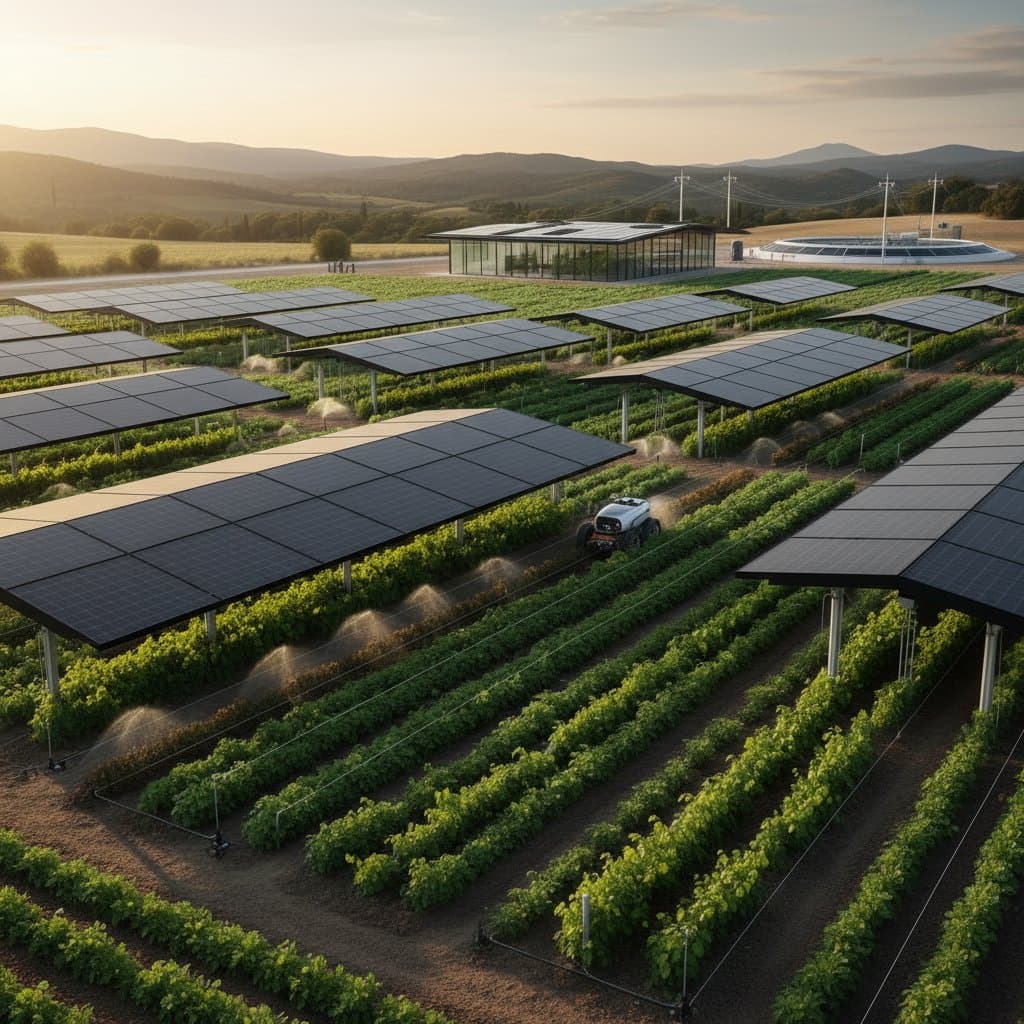
Farming and solar power no longer compete for the same land. Instead, they collaborate effectively. Farmers across various regions install solar panels over fields and pastures, allowing these structures to produce clean electricity while crops grow and livestock graze below. This innovative practice, known as agrivoltaics, reshapes rural economies and advances community goals for renewable energy adoption.
Understanding the Role of Dual-Use Solar
Agrivoltaics pairs solar energy generation with ongoing agricultural activities on shared land. Installers position panels at sufficient heights to permit machinery access, crop cultivation, or animal movement underneath. Filtered sunlight passes through the array, which moderates temperatures and preserves soil moisture levels. Farmers gain dual revenue sources: traditional outputs from agriculture and consistent payments from energy production or sales.
This strategy proves particularly valuable in areas with high land costs or constraints. Farms avoid full conversion to solar-only operations, maintaining productivity and preserving legacy operations. For small and mid-sized farms, dual-use solar safeguards soil health and supports long-term business viability.
Prioritizing Safety and System Reliability
Electrical systems on agricultural sites demand strict adherence to the National Electrical Code and applicable local regulations. Licensed electricians oversee all aspects of wiring, grounding, and grid connections. Farmers avoid any personal modifications or repairs to solar components to prevent risks.
Key hazards include:
- Damaged wiring that poses electrocution threats to livestock or personnel.
- Residual voltage in panels even after grid disconnection.
- Faulty grounding leading to hazardous currents in moist soil.
- Unauthorized entry to inverters or combiner boxes causing severe injuries.
Implement protective measures such as lockable enclosures, prominent warning signage, and secure fencing around equipment. Engage a certified solar contractor to collaborate with local authorities for comprehensive inspections at each installation phase.
Mechanics of Agrivoltaic Installations
Agrivoltaic configurations elevate panels and increase spacing compared to typical ground-mounted solar arrays. These designs ensure adequate sunlight and precipitation reach the ground for plant growth. Panel rows often align with crop rows or livestock pathways to minimize disruption.
Essential elements encompass:
- Adjustable tilt mechanisms that optimize shading patterns across seasonal changes.
- Integrated drip irrigation systems along support structures to enhance water efficiency.
- Wide spacing suitable for grazing by sheep, chickens, or other compatible animals.
- Sensors that track soil temperature, humidity, and light levels for real-time adjustments.
Inverters and cabling mirror those in standard solar setups, yet engineering adaptations accommodate farm vehicles and animal navigation. Professional assessments evaluate wind loads, soil stability, and integration with existing irrigation networks.
Documented Advantages and Quantitative Insights
Trials conducted by agricultural research institutions yield compelling evidence. Participating farms frequently achieve total incomes up to double those of conventional operations. Reliable energy leases or sales supplement agricultural earnings, while shade-adapted crops exhibit improved resilience to drought and heat.
Dr. Lena Ortiz, an agrivoltaic systems researcher at a state agricultural center, said, “We see consistent yield stability under panels, especially in hot climates. The microclimate improves, and the energy output remains steady.”
Additional gains include reduced irrigation expenses, with shading potentially lowering water requirements by 30 percent. Soil erosion decreases as protective ground covers flourish beneath panels. Biodiversity enhances through diverse plantings that thrive in the moderated environment, fostering healthier ecosystems.
Applications for Homeowners and Landowners
Individuals with expansive properties or community gardens can adapt agrivoltaic concepts to smaller scales. These setups follow identical safety protocols. Professionals handle electrical integrations, and installers experienced in dual-use designs manage panel placements.
Preparation steps involve:
- Reviewing local zoning laws and securing agricultural or renewable energy permits.
- Obtaining engineering evaluations for elevated support structures to ensure durability.
- Mapping cable paths that steer clear of irrigation lines or cultivation areas.
- Selecting certified components, including properly torqued connections and conduits rated for outdoor exposure.
Consult utility providers early to understand interconnection requirements and potential incentives. Site-specific soil tests guide crop selections that complement the shaded conditions.
Implementing and Maintaining Agrivoltaic Systems
Regular checks form the foundation of agrivoltaic success. Inspect mounting bolts for tightness quarterly, trim encroaching vegetation to avoid shading losses, and verify enclosure seals against weather intrusion. Address frequent breaker activations or panel cracks by isolating power and summoning a licensed electrician without delay.
Plan biennial professional servicing to sustain performance. Gently clean panels with soft brushes and water, avoiding abrasive materials. Monitor inverter outputs through dedicated software to detect inefficiencies promptly.
Agrivoltaics evolves from concept to standard practice. It enables land stewards to balance food production with energy generation, securing financial stability. Through meticulous planning and expert involvement, this approach fortifies agriculture against future challenges while contributing to broader sustainability efforts.