
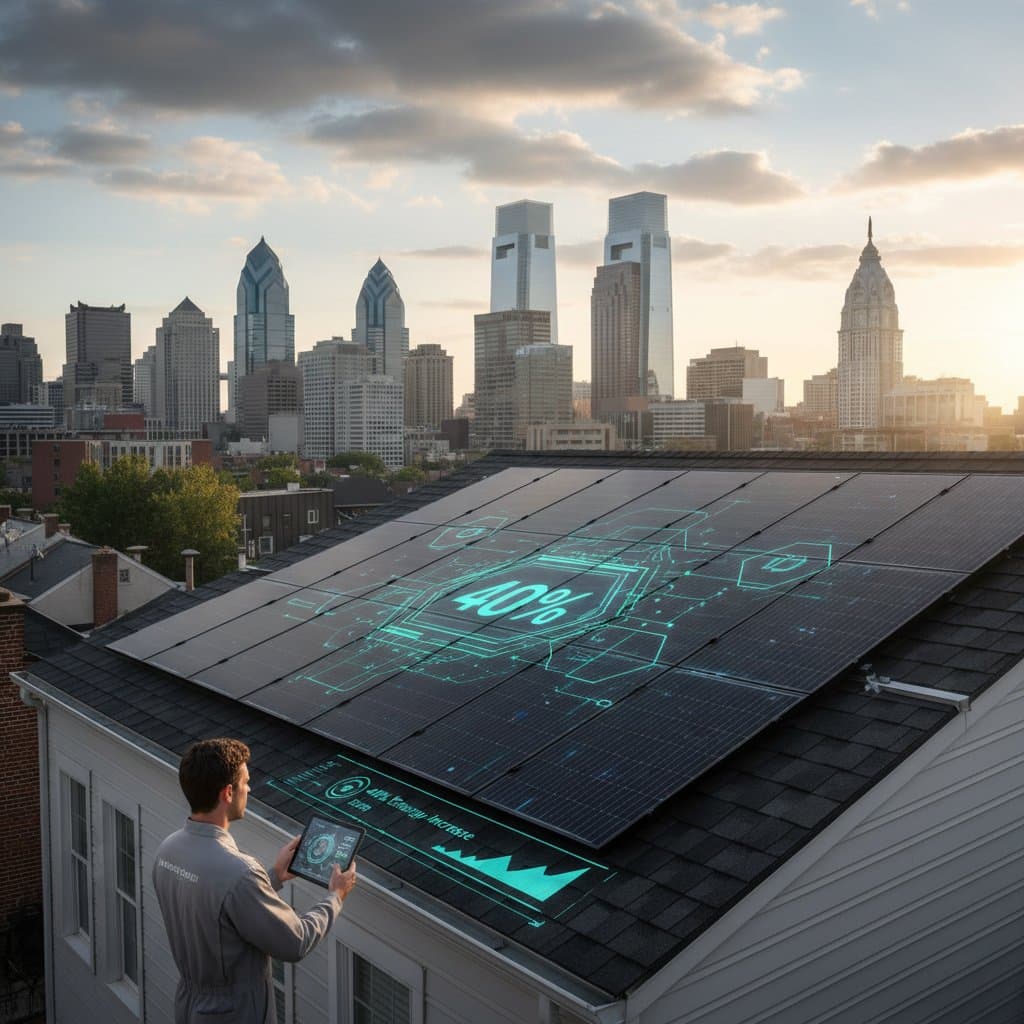
AI-Enhanced Solar Panels to Increase Output by 40 Percent by 2026
Homeowners in Philadelphia now have access to advanced solar panels that incorporate artificial intelligence for superior performance and reliability. These innovative systems continuously monitor environmental conditions, electrical performance, and equipment status to maximize energy generation. Initial studies indicate that AI integration can elevate overall solar production by up to 40 percent compared to standard setups, marking a significant advancement in residential renewable energy.
The Importance of AI Integration in Solar Technology
Conventional solar panels rely on fixed configurations that deliver optimal results only under ideal conditions, such as consistent direct sunlight. Factors like partial shading, accumulated debris, or fluctuating temperatures often lead to reduced efficiency and underutilized potential. AI-enhanced panels address these limitations by dynamically responding to real-time variables, ensuring consistent output regardless of external influences.
For instance, the AI algorithms analyze incoming sunlight patterns and automatically adjust panel orientations or electrical pathways to capture maximum irradiance. This adaptability not only boosts daily energy yields but also minimizes downtime caused by suboptimal conditions. Over time, these systems learn from historical data, refining their responses to local weather patterns unique to the Philadelphia region, such as seasonal cloud cover or urban heat islands.
Beyond performance gains, AI facilitates proactive system health management. Embedded sensors detect subtle anomalies in voltage, current flow, or thermal buildup, alerting users to potential issues before they escalate. This approach extends the lifespan of components like inverters and wiring, reducing long-term maintenance costs and enhancing the return on investment for solar installations.
Enhancing Safety Through Intelligent Monitoring
While AI introduces sophisticated capabilities, solar panels remain high-voltage electrical systems that demand rigorous safety protocols. Professional installation and routine inspections remain essential to mitigate risks associated with live circuits. Homeowners should prioritize certified professionals who adhere to the latest National Electrical Code standards.
Immediate actions required if the following signs appear:
- Visible sparks or charred insulation around connection points.
- Persistent error messages on the inverter interface.
- Unusual smells, such as burning plastic, emanating from rooftop components.
- Frequent activation of circuit breakers without apparent cause.
High direct current voltages in solar arrays pose dangers of electrical shock or fire if connections loosen or degrade. Any upgrades, such as adding AI modules to existing systems, must comply with manufacturer specifications and local regulations. Qualified technicians handle tasks like accessing panel interiors, installing power optimizers, or configuring software updates to maintain electrical integrity.
Mechanisms of AI Optimization in Solar Panels
AI-driven optimization operates through a structured process that integrates data gathering with intelligent decision-making. This closed-loop system ensures continuous improvement in energy efficiency.
-
Real-Time Data Acquisition: High-resolution sensors in each panel capture metrics including light intensity, ambient temperature, and electrical output at intervals of mere seconds.
-
Performance Evaluation: The central AI processes this information against baseline models derived from prior operations, identifying deviations that signal inefficiency.
-
Dynamic Corrections: Based on analysis, the system implements adjustments, such as recalibrating panel angles, reconfiguring series connections, or modulating microinverter functions to even out power distribution.
-
Iterative Learning: Outcomes from each adjustment refine the AI's algorithms, enhancing accuracy for future cycles and adapting to evolving site-specific conditions.
When paired with home battery systems, AI extends its utility by forecasting energy needs and utility rates. It determines optimal times for storing excess power or exporting to the grid, aligning with Philadelphia's net metering policies to maximize financial benefits.
Advantages Extending Past Energy Production
The integration of AI yields durability improvements by mitigating stressors like overheating or imbalanced loads, which accelerate wear in traditional setups. Panels experience more uniform operation, preserving warranties and deferring replacement expenses.
Compliance with regulatory incentives becomes streamlined as well. AI platforms generate detailed performance reports, including energy export records, that satisfy requirements from local utilities and authorities. This documentation supports eligibility for rebates and tax credits available to Pennsylvania residents.
In environments with inconsistent shading—common in urban Philadelphia settings with trees or adjacent buildings—AI employs module-level power electronics to isolate underperforming sections. Rather than a single shaded panel compromising an entire array, the system redirects flow from high-yield modules, reclaiming substantial lost production and ensuring equitable energy harvest.
Environmental benefits also emerge, as higher efficiency translates to fewer panels needed for equivalent output, reducing material use and installation footprints. This aligns with broader sustainability goals, making AI solar a forward-thinking choice for eco-conscious homeowners.
Preparing Your Home for AI Solar Upgrades
Prospective adopters should initiate the process with a comprehensive site assessment by a NABCEP-certified solar professional. Inquire about compatibility of current infrastructure, including roof wiring capacity and inverter capabilities, with AI enhancements. Verify that all terminations and protective measures conform to voltage ratings and grounding protocols.
Ongoing vigilance involves regular surface cleaning to prevent dust accumulation, alongside weekly reviews of monitoring applications for performance trends. Promptly address any diagnostic notifications to sustain peak operation. By entrusting installation and upkeep to experts, Philadelphia residents can leverage AI to achieve resilient, high-efficiency solar systems that deliver enduring value and energy independence.