
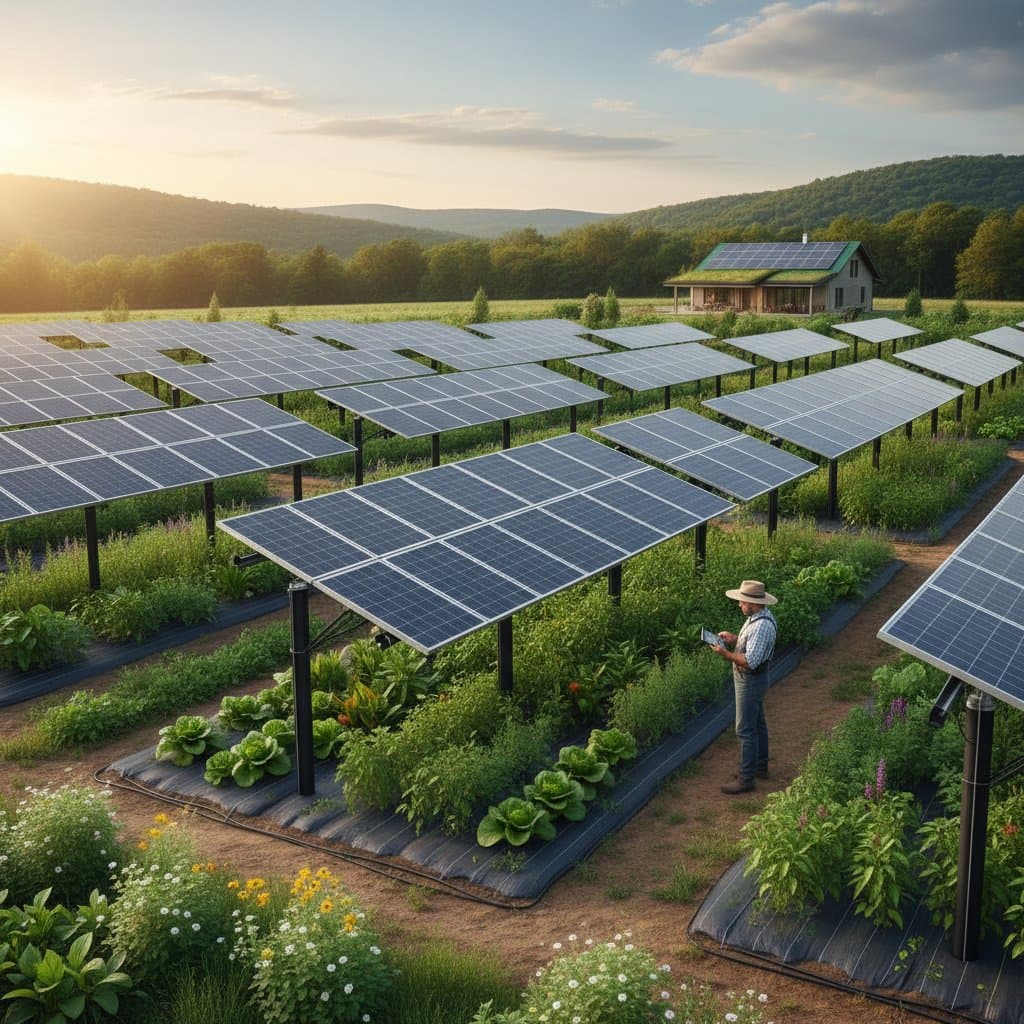
Solar Farms Growing Food and Power by 2026
Across rural and suburban landscapes, a quiet transformation occurs. Fields once dedicated solely to single crops now accommodate solar panels alongside vegetation. This innovative approach, termed agrivoltaics or dual-use solar farming, redefines the integration of agriculture and renewable energy. Landowners generate electricity while preserving soil health and continuing food production on the same plot.
This article details the mechanics of agrivoltaic systems, highlights essential safety and maintenance considerations, and outlines the path to sustainable land management. Property owners in the Philadelphia area receive targeted guidance for evaluating and implementing dual-use solar initiatives.
Safety and Electrical Standards
Solar installations adhere to rigorous electrical codes enforced by local authorities. Panels, wiring, and inverters function at voltages capable of causing injury or fire if mishandled. Licensed electricians alone perform installations, modifications, or repairs on electrical elements within dual-use setups.
Homeowners and landowners follow these practices:
- Maintain unobstructed access paths surrounding electrical equipment.
- Ensure all wiring resides within approved conduit enclosures.
- Label disconnect switches clearly and position them for emergency responder access.
- Install ground fault and arc fault protection devices in accordance with the National Electrical Code.
- Arrange professional inspections following severe weather events or soil disruptions.
Professionals handle any movement or rewiring of panels. Panels produce current even under low sunlight conditions. A non-contact voltage tester verifies circuit status, yet it substitutes neither for comprehensive evaluation by a licensed electrician. De-energize circuits prior to maintenance and secure breakers with locks when feasible.
The Role of Local Permits and Zoning
Agrivoltaic projects align with zoning ordinances and building codes. Local governments distinguish dual-use systems from conventional solar farms or unaugmented agricultural operations. In Pennsylvania, county planning offices scrutinize proposals to align with agricultural preservation objectives.
Landowners verify the following before entering leases or development contracts:
- Zoning permits combined agricultural and energy production activities.
- Setback distances and height restrictions accommodate the proposed configuration.
- Environmental assessments evaluate drainage patterns and habitat safeguards.
- Electrical permits cover all interconnections and equipment setups.
Early consultation with the local agricultural extension office and a licensed electrician minimizes delays and upholds safety and code adherence.
Technical Maintenance and Inspection
Agrivoltaic sites demand vigilant oversight of electrical and agricultural components. Owners conduct inspections at least twice during each growing season to secure electrical integrity and prevent crop interference with wiring or structures.
Use this inspection checklist:
- Seal junction boxes completely and eliminate moisture accumulation.
- Inspect exposed wiring for discoloration, corrosion, or insulation cracks.
- Test grounding system continuity.
- Clean panels using soft brushes and water; refrain from high-pressure washers to protect seals.
- Manage vegetation to avoid obstructing panel ventilation or shade sensors.
- Confirm irrigation lines remain undamaged and prevent water pooling near electrical housings.
Address overheating, tripped breakers, or inverter alerts immediately by halting operations and summoning a licensed solar electrician. Such indicators signal potential short circuits or equipment malfunctions.
Professional Roles and Responsibilities
Agrivoltaic initiatives engage diverse experts:
- Electrical contractors validate wiring, inverters, and safeguards against code violations.
- Structural engineers devise racking and foundations resilient to wind and snow forces.
- Agronomists recommend crops suited to the altered microclimate.
- Environmental consultants affirm adherence to soil and water protections.
Landowners retain all inspection reports and maintenance logs. These records facilitate insurance processes and satisfy requirements from lenders or renewable energy credit initiatives.
Next Steps for Property Owners
Prospective participants initiate a feasibility study encompassing solar resource evaluation, soil analysis, and crop suitability assessments. The local agricultural extension office supplies insights on shade-adapted crop options.
Execute these preparatory measures:
- Solicit detailed proposals from a minimum of two certified solar developers.
- Confirm each contractor possesses current state licenses and comprehensive insurance.
- Examine model operating agreements, emphasizing maintenance obligations and revenue distribution.
- Schedule ongoing safety checks and vegetation oversight.
- Monitor regional incentives for renewable energy adoption and farmland conservation.
Advancing Sustainability Through Shared Land Use
Agrivoltaics forges a viable route to collective environmental aims. The synergy of food and energy output fortifies local supply chains, curtails emissions, and optimizes land utilization. Pennsylvania communities stand to gain enduring economic and ecological advantages from this balanced approach.