
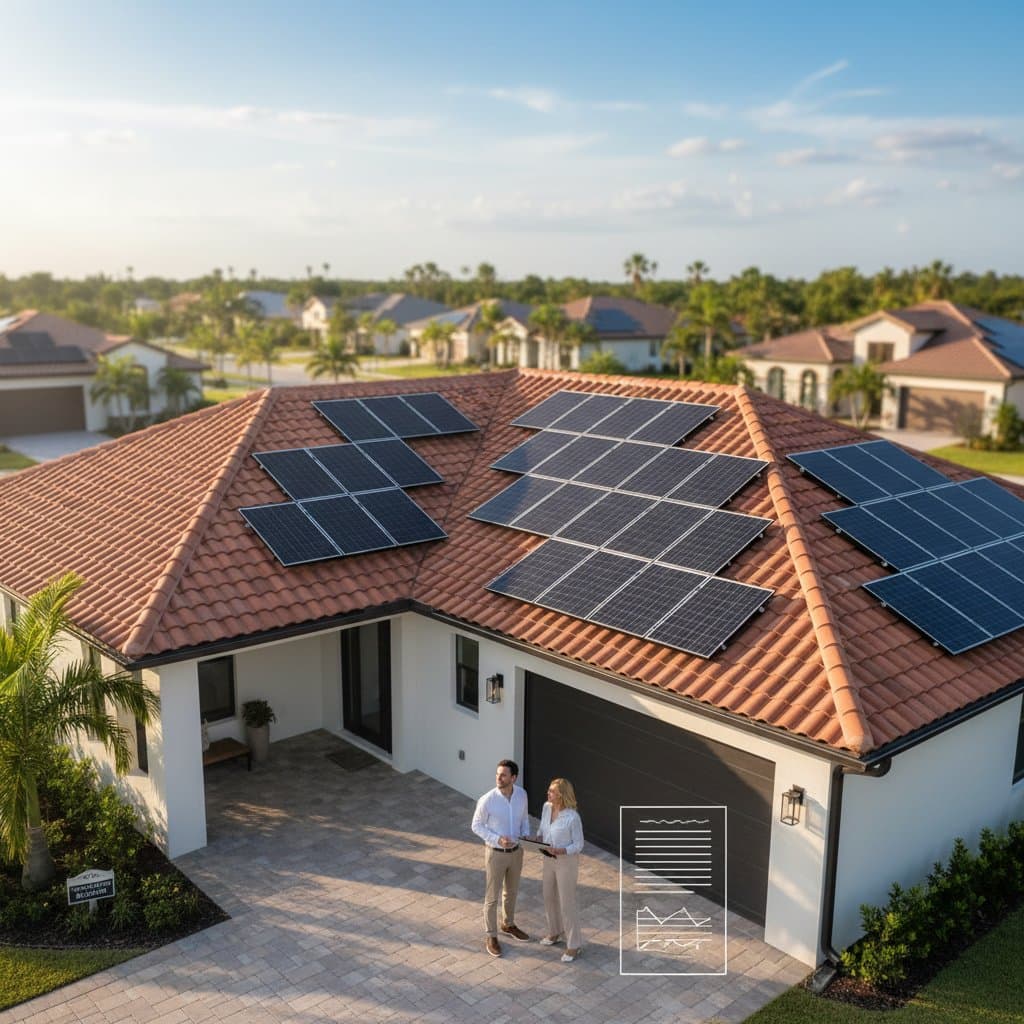
Florida's Solar Rights Expansion: HOAs Cannot Prohibit Rooftop Panels
Homeowners across Florida have encountered significant hurdles when attempting to install rooftop solar systems. Neighborhood associations frequently imposed restrictions through design guidelines, objections to placement, or complete prohibitions. Recent legislative changes have resolved this tension by affirming that homeowners' associations lack the authority to prevent residents from installing solar energy systems on their properties.
This development holds substantial implications for numerous households. It broadens access to renewable energy sources, safeguards property rights, and curtails unfounded limitations. However, the legislation does not exempt installations from essential oversight. Property owners must adhere to established safety protocols, obtain necessary permits, and employ certified installers. The protection specifically upholds the right to install solar panels while maintaining strict adherence to building and electrical safety standards.
Key Provisions of the Updated Legislation
The revised Florida statute explicitly prohibits homeowners' associations from banning the installation of solar collectors, clotheslines, or similar renewable energy devices on residential structures. Associations retain the ability to propose guidelines for panel placement, provided these suggestions do not compromise system efficiency or escalate expenses. Homeowners possess the prerogative to position solar panels on their roofs, contingent upon compliance with local safety codes and structural integrity requirements.
For instance, an association may recommend mounting panels on the rear-facing roof slope if that orientation captures sufficient sunlight. Conversely, it cannot mandate placement on a shaded roof section, as such a directive would render the system inefficient and infringe upon the homeowner's statutory rights.
To illustrate practical application, consider a typical single-family home in a suburban Florida community. If the front roof faces south for optimal solar exposure, the homeowner can proceed with installation there, even if the association prefers a less visible location. Documentation of sunlight analysis, often provided by installers, strengthens the case during any discussions with the association.
Essential Role of Licensed Electricians in Solar Installations
Homeowners must avoid undertaking solar wiring installations or reconnections independently. Engaging a licensed electrician guarantees compliance and safety through meticulous attention to several critical elements:
- Proper sizing of conductors to account for voltage drop and ampacity demands.
- Adequate bonding and grounding in accordance with prevailing electrical codes.
- Selection of breakers, fuses, and disconnects that align with the inverter's specifications.
- Secure and clearly labeled connection points at the main service panel.
Should indicators of malfunction appear, such as recurring tripped breakers, error codes on the inverter display, or visible heat damage on wiring, the system requires immediate shutdown. Only a qualified electrician possesses the expertise to conduct thorough inspections and performance tests on the solar array.
Beyond initial setup, electricians play a vital role in integrating systems with home energy management tools. This includes configuring net metering connections to utility grids, ensuring seamless energy export, and verifying compatibility with smart home devices for real-time monitoring.
Advantages for Florida Residents and the Broader Energy Landscape
The elimination of HOA-imposed barriers aligns with Florida's overarching objectives for renewable energy advancement. This policy fosters multiple benefits:
- Reduced Energy Costs: Solar-equipped homes offset a significant portion of daytime electricity usage, leading to substantial long-term savings.
- Enhanced Resilience: Pairing solar panels with battery storage enables power supply to critical appliances during grid outages, a particular asset in hurricane-prone regions.
- Increased Property Values: Homes featuring solar installations typically command higher market prices and attract buyers more rapidly.
- Improved Grid Reliability: Widespread distributed solar generation alleviates pressure on the state's transmission networks, promoting overall stability.
Research from energy sector analyses indicates that solar adoption rates surge following the removal of regulatory obstacles. Florida's legislative adjustment positions the state as a frontrunner in residential clean energy within the southeastern United States, potentially inspiring similar reforms elsewhere.
Perspectives from Energy Policy Specialists
Experts in energy policy anticipate that Florida's reinforcement of homeowner rights will serve as a model for states grappling with stringent HOA regulations. A regulatory specialist from the Solar Energy Industries Association observes, "When homeowners have clear legal protection, adoption accelerates because people feel secure about their investment."
Solar advocacy groups in Florida emphasize the law's role in promoting equitable access. This includes renters in multi-unit dwellings, condominium owners, and single-family residents, all of whom can now explore renewable options without the threat of capricious denials. The change elevates solar energy from an elite option to a viable pathway for diverse communities, fostering inclusive environmental progress.
Strategies for Ongoing Solar System Upkeep
Following installation, solar systems demand regular maintenance to sustain optimal performance. While panels and inverters exhibit remarkable longevity, electrical components may degrade over time. Professionals recommend scheduling comprehensive inspections every two to three years.
Key areas of focus during these evaluations include:
- Verification of proper torque on connections at breakers and terminals to prevent arcing.
- Testing of grounding continuity to ensure electrical safety.
- Examination for signs of corrosion, insulation wear, or physical damage.
- Assessment of inverter efficiency, including necessary firmware updates.
For systems incorporating battery storage, additional checks involve confirming the functionality of the battery management system and ensuring unobstructed ventilation. Homeowners should refrain from accessing sealed battery units without specialized training and authorization, as this poses risks of electrical shock or chemical exposure.
Implementing a maintenance log proves invaluable. Record dates of inspections, observed performance metrics, and any repairs performed. This documentation not only aids in troubleshooting but also supports warranty claims and resale value enhancement.
Practical Actions for Interested Florida Homeowners
The affirmation of solar rights empowers Florida homeowners to pursue clean energy investments with assurance. Success hinges on integrating this liberty with diligent planning and professional oversight.
To proceed effectively:
- Collaborate exclusively with certified solar installers and electricians who hold current licenses.
- Maintain transparent dialogue with your homeowners' association while asserting your legal entitlements.
- Adhere rigorously to all permitting processes and required inspections.
- Maintain detailed records of system specifications, warranties, and compliance certifications.
In the event of disputes regarding panel placement or aesthetic concerns, seek guidance from an attorney specializing in property law and renewable energy matters. Resolution often occurs swiftly upon presentation of the pertinent statutory provisions.
Florida's legislative framework now enables residents to capture solar energy unhindered by superfluous constraints. Through thoughtful preparation, expert installation, and consistent upkeep, solar systems deliver enduring financial benefits, energy independence, and contributions to a sustainable future.