
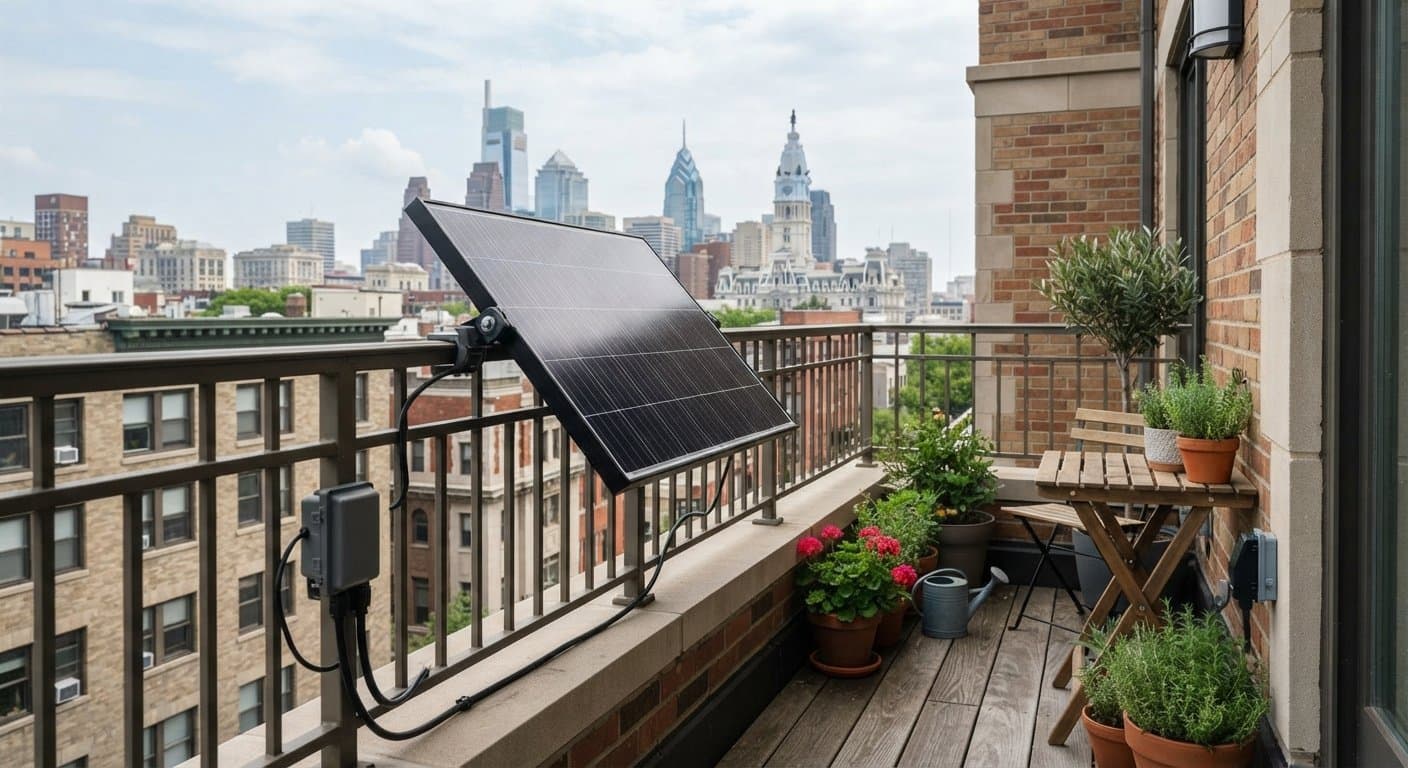
Plug In Solar Kits and What Philadelphia Homeowners Need to Know
Solar research can feel overwhelming, especially for renters and apartment residents who assume rooftop panels are the only option. Plug in solar kits offer a smaller, simpler approach. A compact panel system can produce electricity near a balcony or exterior wall, then feed some of that power into a home circuit. Interest is growing across the United States, but product availability, safety rules, and utility requirements vary. For Philadelphia residents, the key question is not only whether a kit works, but whether it can be installed and operated safely and legally at a specific property.
What a Plug In Solar Kit Does
A plug in solar kit typically includes one or more solar panels, a microinverter, mounting hardware, electrical protection, and a cable designed for a compatible connection. The panels generate direct current when sunlight reaches their cells. The microinverter converts that electricity into alternating current, the type used by household appliances.
In a properly designed system, the kit connects to an approved household circuit or dedicated connection. Solar power supplies devices using electricity at that moment, such as a refrigerator, router, or computer. If the home needs more power than the panels produce, the utility supplies the difference. If the kit produces extra power, the result depends on the system design and utility rules. Do not assume surplus electricity will earn bill credits.
A plug in kit generally does not provide backup power during an outage. Most grid connected microinverters shut down when the grid goes down, protecting utility workers from electricity flowing onto lines during repairs. Battery storage or specialized backup equipment is needed to power selected appliances during an outage.
What Changes for Homeowners and Renters
The main appeal is scale and flexibility. A compact kit may suit a balcony, patio, shed, or small outdoor area where a full rooftop installation is impractical. Some renters may be able to take portable equipment with them when they move, subject to lease terms and building rules.
Plug in solar is not automatically a universal, do it yourself alternative to rooftop solar. A safe installation needs suitable equipment, secure mounting, compatible wiring, and clear permission to use the space. Apartment residents should check their lease, condominium documents, and building management requirements before buying panels. Exterior appearance, falling object risks, fire access, and shared electrical systems can all affect approval.
For Philadelphia homes, sunlight and placement matter. A south facing balcony with little shade usually performs better than a shaded north facing one. Railings, neighboring buildings, trees, and roof overhangs can cut production. The equipment also needs to withstand wind and weather. Never hang a panel from a railing unless the mounting system is rated for that use and approved by the building owner.
How Much Electricity Could a Kit Produce
Output depends on panel capacity, sunlight, shade, orientation, temperature, and equipment losses. A useful first estimate is to multiply the system kilowatt capacity by local annual production per kilowatt. A one kilowatt system producing 1,100 kilowatt hours per kilowatt each year would generate about 1,100 kilowatt hours annually. A smaller 400 watt kit, which is 0.4 kilowatts, would produce about 440 kilowatt hours under the same assumption.
Actual balcony output may be lower. Vertical mounting, partial shade, and east or west orientation can reduce the estimate. A homeowner can compare the kit expected output with electricity use, but should avoid treating panel capacity as guaranteed production.
A sample bill calculation shows the potential value:
- Kit capacity: 0.4 kilowatts.
- Estimated annual production: 440 kilowatt hours.
- Assumed electricity price: 20 cents per kilowatt hour.
- Gross annual bill offset: 440 multiplied by $0.20, or $88.
The $88 estimate assumes the household uses the electricity as it is produced and that each generated kilowatt hour reduces purchases at the full assumed rate. Fixed monthly charges usually remain. If some production is exported without compensation, savings may be lower.
Costs, Savings, and Payback
Kit prices vary with panel count, inverter quality, mounting equipment, safety features, and certification. Installation costs can also rise if an electrician needs to review wiring or add a dedicated circuit. Before comparing prices, check what the package includes and whether it has recognized electrical safety certification, clear installation instructions, and a warranty.
For a simple payback example, assume a complete kit costs $800 and saves $88 per year. Divide $800 by $88 to get about nine years. This is a basic estimate, not a promise. It leaves out repairs, financing costs, changing electricity prices, reduced production, and any incentive eligibility. If the system costs $1,200 and saves $60 annually because of shade or low self consumption, simple payback reaches 20 years.
Compare that timeframe with the equipment warranty and expected service life. Ask the seller for separate warranty details for panels, microinverter, mounting hardware, and labor. Panel performance warranties often describe gradual output decline, while product warranties cover defects. Read the terms closely, since coverage and claim procedures differ.
Do not count on a federal tax credit, state rebate, or utility payment without verifying current eligibility. Incentives can depend on equipment, installation method, ownership, and program rules. Check official federal guidance, Pennsylvania program information, and the utility tariff that applies to the property. A tax professional can explain whether a credit applies to a particular purchase.
Safety, Utility Rules, and Installation
The phrase plug in can make a system sound as simple as plugging in a lamp. Solar equipment can send power into building wiring, so the connection method matters. Use only a complete system designed and listed for its intended use. Avoid improvised adapters, extension cords, or modifications. Never connect a panel inverter to an outlet unless the equipment and installation are specifically approved for that configuration under applicable electrical rules.
Before purchase, ask the manufacturer or a qualified electrician:
- Is the system certified by a recognized testing laboratory?
- What connection method is approved for this model?
- Does it require a dedicated circuit or electrician installation?
- What utility notification, interconnection, or inspection steps apply?
- Can the mounting system handle local wind and weather conditions?
Utilities may require notification or approval for grid connected generation. Building codes, electrical codes, fire rules, and landlord policies may also apply. Requirements can differ by municipality and building type. Contact PECO or the relevant electric utility, the local permitting office, and the property owner before installation. A qualified electrician can assess circuit capacity and help prevent overload or unsafe connections.
Shopping and Monitoring Checklist
A careful purchase starts with the site, not the product page. Measure the available area, record the direction the panels would face, and note shade at different parts of the day. Ask the vendor for an estimate based on the proposed position, not ideal laboratory conditions.
Review these details before ordering:
- Panel and inverter ratings, including expected annual production.
- Safety certification and approved electrical connection.
- Mounting strength, weather resistance, and wind rating.
- Warranty length, service process, and replacement costs.
- Monitoring features that show daily and monthly energy production.
- Utility, building, and permitting requirements for the property.
Monitoring can reveal whether a panel is underperforming or has become shaded by a new obstruction. Compare output across similar sunny conditions rather than relying on one low production day. Keep the inverter vents clear and follow the maker cleaning guidance. In many locations, rain removes ordinary dust, but heavy buildup may need gentle cleaning. Do not climb or lean over a balcony to reach panels. Arrange safe access before maintenance.
What to Expect Across the System Lifecycle
A responsible project moves through several steps. First, confirm property permission and local rules. Next, assess sunlight, mounting options, and electrical compatibility. Choose equipment with reliable documentation, then complete any required utility notice, permit, or inspection. Install according to the manufacturer instructions, or hire a qualified professional when required.
After startup, use the monitoring app or display to track production and review the utility bill for changes in electricity use. Keep purchase records, certification documents, installation instructions, and warranty information. If equipment fails, follow the manufacturer service process and have electrical work handled by a qualified person.
At the end of its useful life, do not put panels or electronic inverters into ordinary household trash without checking local guidance. Ask the manufacturer, municipal waste program, or a recognized electronics recycler about collection and recycling options. Responsible disposal helps recover materials and keeps electronic components out of landfills.
Frequently Asked Questions
Can I use a plug in solar kit in an apartment?
Possibly, if the landlord or building association approves the installation and local electrical and utility rules allow it. Confirm permission before purchasing or mounting equipment.
Will a balcony kit lower my bill?
It can reduce electricity bought from the utility when the home uses the solar power as it is produced. Actual savings depend on output, self consumption, electricity prices, and billing rules.
Can the kit power my home during an outage?
Most plug in solar kits cannot provide backup power during an outage. Grid connected microinverters shut down when the grid goes down to protect utility workers. Battery storage or specialized backup equipment is needed to power selected appliances during an outage.
Do I need a permit or utility approval?
Utilities may require notification or approval for grid connected generation. Building codes, electrical codes, fire rules, and landlord policies may also apply. Contact PECO or the relevant electric utility, the local permitting office, and the property owner before installation.
Are plug in solar kits available everywhere?
Product availability, safety rules, and utility requirements vary by location. Philadelphia residents should verify local regulations, building requirements, and utility policies before purchasing equipment.
How should I maintain the panels?
Keep the inverter vents clear and follow the maker cleaning guidance. In many locations, rain removes ordinary dust, but heavy buildup may need gentle cleaning. Do not climb or lean over a balcony to reach panels. Arrange safe access before maintenance.
Next Steps for Philadelphia Residents
Start by measuring your available space and noting sunlight patterns throughout the day. Contact your landlord or building management to understand approval requirements. Reach out to PECO to learn about interconnection rules and notification procedures. Compare equipment options based on certification, warranty coverage, and expected production for your specific location. A qualified electrician can assess your electrical system and help determine whether a plug in solar kit fits your property and needs.