
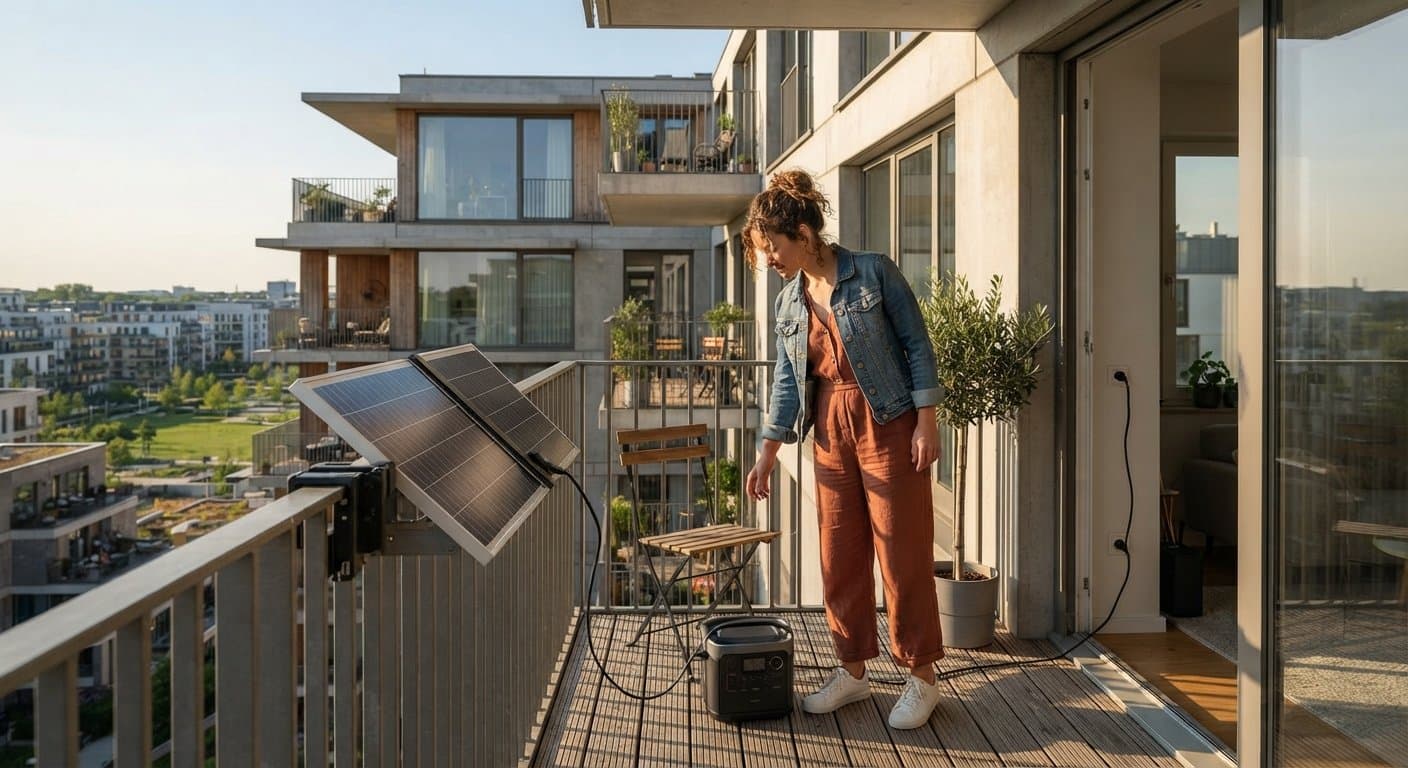
Balcony Solar Kits Make Apartment Power Practical
Apartment residents seeking lower electric bills and cleaner energy often face a common obstacle: no access to a roof for traditional solar panels. Balcony solar kits provide an alternative that works within existing living spaces. These compact systems connect directly to household outlets or small energy setups, allowing residents to generate electricity without property ownership. Success depends on building approval, proper installation, and realistic expectations about output.
How These Systems Generate Electricity
A typical plug-in solar kit contains one or more panels, a microinverter, mounting hardware, and connection cables. Sunlight strikes the silicon cells within each panel, freeing electrons and creating direct current. The microinverter converts this direct current into alternating current that matches household electrical standards.
When connected through an approved outlet, the system supplies power to devices already operating in the apartment. The utility grid provides any additional electricity needed. Excess production may flow into the building's electrical system, though credit for this energy depends on local utility policies and interconnection requirements.
Portable solar panels operate differently from plug-in systems. These units typically charge batteries or specific devices rather than feeding into household circuits. While useful for camping or backup charging, portable panels do not reduce utility bills unless they directly offset purchased electricity.
Essential Safety and Regulatory Checks
Landlord approval represents the first requirement before purchasing any equipment. Written permission protects both parties and clarifies responsibility for installation and removal. Review lease terms for restrictions on exterior modifications, weight limits, and electrical work. Building codes may prohibit drilling into railings or require specific mounting methods.
Electrical safety demands professional assessment. A licensed electrician should verify that the intended outlet and circuit can handle the system's output. Standard extension cords cannot safely connect solar panels to household outlets. Approved connection methods require proper equipment, circuit protection, and compliance with local electrical codes.
Utility interconnection rules vary significantly by location. Some utilities require advance notification or specific equipment certifications before allowing grid connection. Contact your utility provider to understand notification requirements, metering policies, and any restrictions on plug-in solar systems.
Assessing Sunlight and Production Potential
Sun exposure determines whether balcony solar makes financial sense. South-facing balconies with several hours of direct sunlight produce significantly more energy than shaded or north-facing locations. Nearby buildings, trees, railings, and seasonal sun angles all affect output throughout the year.
Conduct a shade assessment at different times during the day and across seasons. Note when direct sunlight reaches the balcony and identify periods of partial or full shade. This information helps estimate realistic production rather than relying on ideal conditions.
Calculating Realistic Financial Returns
Consider an 800-watt system producing an average of 3.5 full-sun hours daily. Daily output equals 2.8 kilowatt-hours, resulting in approximately 1,020 kilowatt-hours annually. At 20 cents per kilowatt-hour, this production offsets roughly 204 dollars in annual electricity charges.
This calculation represents an estimate, not a guarantee. Actual output varies based on local weather patterns, panel orientation, temperature effects, equipment efficiency, and system downtime. Fixed utility charges may remain regardless of solar production, and inverter efficiency affects the value of unused electricity.
Compare total system costs against projected savings. An 900-dollar permitted installation saving 180 dollars annually suggests a five-year payback period. This simple calculation excludes maintenance costs, financing charges, utility rate changes, and potential incentive programs.
Building a Comprehensive Energy Strategy
Balcony solar works best as one component of broader energy reduction efforts. Begin with low-cost improvements that require no building approval.
- Replace incandescent bulbs with LED alternatives throughout the apartment
- Seal air leaks around windows and doors with weatherstripping
- Wash clothes in cold water and air-dry when possible
- Unplug devices that continue drawing power when turned off
Mid-tier improvements offer additional savings opportunities. Smart power strips eliminate phantom energy loads from entertainment systems and office equipment. Some buildings permit window-mounted heat pumps or efficient room air conditioners that reduce overall electricity demand.
Load shifting maximizes the value of solar production. Schedule energy-intensive activities like laundry, dishwashing, or laptop charging during peak sunlight hours. This approach increases the percentage of solar electricity consumed on-site rather than exported to the grid.
Battery Storage Considerations
Battery systems store excess solar production for later use, though they add cost and introduce efficiency losses during charging and discharging cycles. Evaluate battery capacity against actual daily consumption patterns before purchasing.
Safety certifications matter for battery systems installed in living spaces. Look for equipment tested to relevant safety standards and designed for indoor or outdoor use as appropriate. Consider warranty terms, replacement costs, and recycling options when comparing battery options.
Installation Process and Ongoing Maintenance
A complete installation project includes several sequential steps. Begin with permission requests and utility notifications, followed by equipment selection based on building constraints and production goals. Professional electrical assessment confirms system compatibility with existing wiring.
Mount panels according to manufacturer specifications, ensuring secure attachment that withstands wind loads and weather exposure. Route cables to avoid tripping hazards and protect connections from moisture. Never modify building electrical systems without proper authorization and permits.
Regular maintenance preserves system performance. Clean panels periodically with water and a soft cloth to remove dust and debris. Inspect mounting hardware and electrical connections after severe weather events. Monitor production through the system's app or meter to identify performance issues early.
Selecting Appropriate Equipment
Compare systems based on specific criteria rather than marketing claims. Evaluate panel capacity, safety certifications, mounting hardware quality, and warranty coverage. Consider whether the system includes monitoring capabilities and what level of technical support the manufacturer provides.
Check compatibility with local electrical codes and utility requirements before finalizing equipment choices. Some jurisdictions restrict plug-in solar systems to specific capacity limits or require particular safety features.
Moving Forward with Apartment Solar
Review your lease terms and discuss balcony equipment with property management before making purchases. Gather recent electric bills to understand consumption patterns and rate structures. Assess balcony orientation and shading conditions to set realistic production expectations.
Request detailed quotes that specify panel capacity, mounting methods, electrical requirements, and projected output. Compare options using consistent criteria rather than focusing solely on price. Factor in installation complexity, ongoing maintenance needs, and equipment warranty terms when making final decisions.