
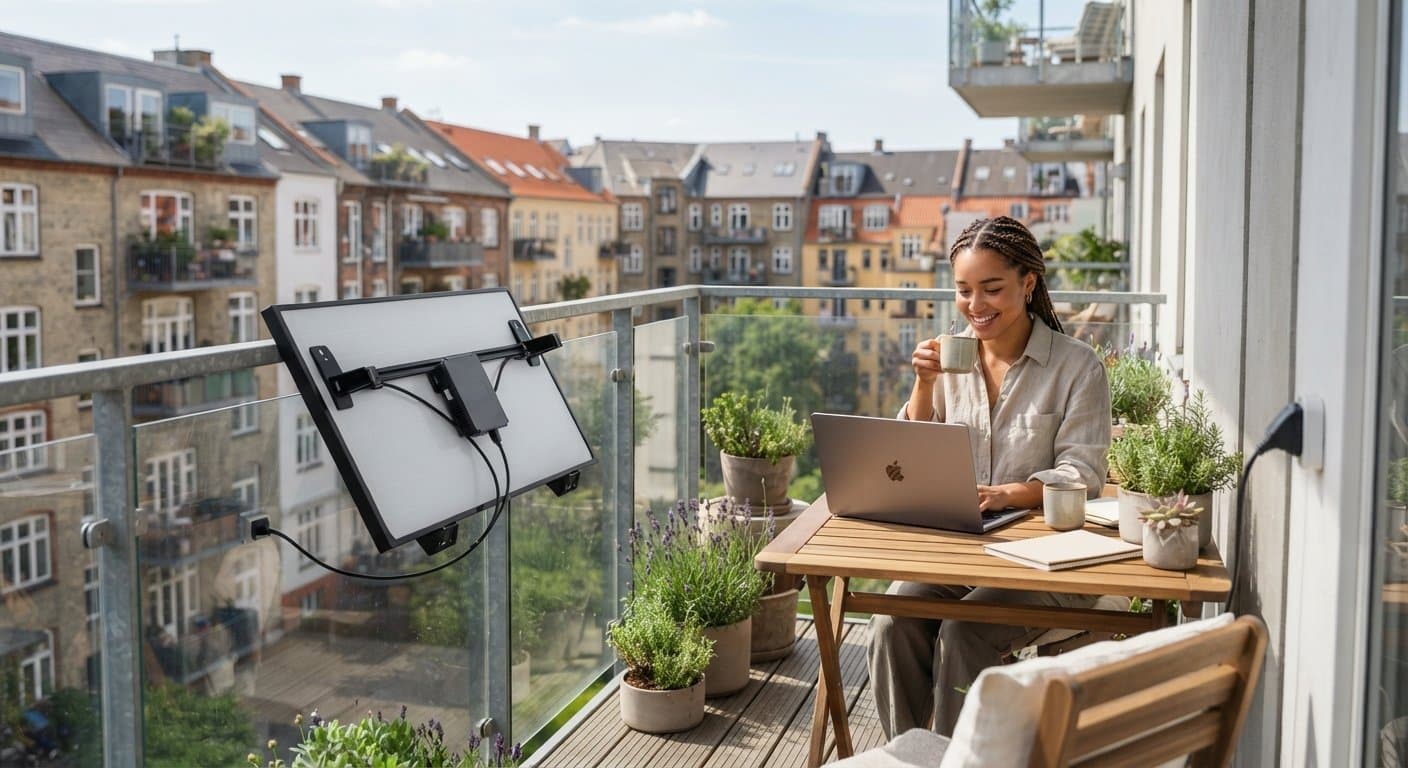
Balcony Solar Kits Offer Apartment Renters a Practical Path to Lower Electric Bills
Apartment residents who want to reduce their electric bills often encounter a common obstacle. They may not own a roof, and property rules may prohibit permanent modifications. A balcony solar kit provides a smaller, portable alternative that fits within these constraints. The panels capture sunlight, and a compatible inverter feeds power into the apartment's electrical system. Before purchasing equipment, renters should verify building regulations, electrical specifications, and utility policies to avoid safety issues and unmet expectations.
Balcony solar does not suit every apartment situation. Factors such as shade patterns, balcony orientation, railing strength, and utility requirements all influence performance. Renters can begin with a modest installation, observe their household electricity patterns, and relocate the equipment when they move.
Understanding Plug-In Solar Technology
A standard kit contains one or more solar panels, a microinverter, mounting hardware, and connecting cables. Sunlight activates electrons within the silicon cells, generating direct current. The microinverter transforms this current into alternating current that household appliances can use. Depending on the specific product and local regulations, the system may connect through an approved outlet or a dedicated circuit.
When the apartment draws power, solar electricity can meet part of that demand. If panel output falls below household needs, the utility supplies the difference. When production exceeds immediate consumption, excess electricity may flow back to the grid. Renters should not assume the utility will provide credits for these exports. Policies differ among providers, and some systems require approval or specialized metering before operation.
A plug-in connection does not authorize connecting any solar device to any outlet. Use only equipment designed for the local electrical system, follow manufacturer instructions precisely, and verify that the circuit and outlet can support the connection. Never substitute extension cords for proper installation or bypass electrical safety mechanisms.
Expected Energy Production from Balcony Systems
Output depends on panel capacity, available sunlight, shading conditions, orientation, tilt angle, and temperature. A south-facing balcony with several hours of unobstructed sun typically outperforms a shaded balcony facing another direction. Nearby buildings, trees, railings, and overhangs can create shadows that reduce production. Even partial shade on one panel may affect overall system output, depending on the equipment configuration.
Consider a 400-watt kit. If it receives four equivalent full-sun hours daily throughout the year, a basic calculation yields:
0.4 kW times 4 hours times 365 days equals approximately 584 kWh annually.
At an electricity rate of 20 cents per kWh, this energy would represent about 117 dollars per year if the apartment consumes it as generated. This calculation serves as an estimate rather than a guarantee. Cloud cover, seasonal variations, shading, inverter efficiency losses, and the difference between rated capacity and actual output all affect results. The assumed rate also excludes fixed utility charges, which solar systems typically do not eliminate.
Because balcony systems have limited capacity, maximum savings occur when electricity use aligns with production periods. Operate compatible appliances during sunny hours, charge devices during peak sunlight, and minimize standby power consumption from high-draw equipment. A plug-in solar kit will not typically power an entire apartment or substitute for a full rooftop installation.
Safety Requirements and Regulatory Compliance
Obtain written permission from the landlord or property manager before mounting panels to railings, walls, or balcony surfaces. Inquire about approved mounting methods, wind exposure limits, and visibility requirements from exterior areas. Even portable equipment requires secure attachment to prevent movement. Panels can catch wind, and unsecured equipment poses risks to people and property below.
Review local electrical codes and utility requirements before making a purchase. Determine whether the system needs inspection, permits, utility notification, or specific interconnection equipment. Verify that the inverter carries appropriate safety certification and includes automatic disconnection during grid outages. Standard grid-connected systems generally do not provide backup power during outages. Separate battery systems require specific design and approval for backup functionality.
Have a qualified electrician inspect the outlet and circuit if uncertainty exists about electrical capacity. Avoid installing kits with damaged cables, improvised mounting solutions, or hardware that obstructs exits. Position panels away from fire escapes and maintain required emergency access routes.
Cost Analysis and Alternative Energy-Saving Options
Equipment costs vary based on panel size, inverter features, mounting hardware, and any required electrical work. Compare complete, approved kits rather than focusing solely on panel pricing. Factor in delivery charges, potential electrician visits, landlord requirements, and ongoing monitoring expenses. Request realistic production estimates from sellers based on specific balcony conditions rather than laboratory specifications.
Calculate simple payback by dividing total cost by expected annual savings. A kit costing 600 dollars that saves approximately 117 dollars annually would reach payback in slightly more than five years. This calculation assumes the kit achieves projected output, the apartment uses most of the generated electricity, and electricity rates remain stable. Equipment repairs, replacement components, utility policy changes, and relocation can alter these projections. Renters planning to move may prioritize portability but should still verify safe removal and reinstallation procedures.
When balcony conditions prove unsuitable due to excessive shade or building restrictions, other improvements can reduce energy consumption:
- Replace frequently used bulbs with LED alternatives.
- Apply landlord-approved weatherstripping around doors and windows.
- Install smart power strips for electronics that consume power when idle.
- Wash clothes in cold water when appropriate and air-dry some loads.
- Discuss efficient appliances, insulation improvements, and building-wide solar options with the landlord.
These measures cost less than solar equipment and reduce overall demand, allowing a small solar installation to cover a larger portion of household electricity use.
Installation Process and Ongoing Maintenance
Begin by documenting electricity consumption patterns and identifying appliances used during daylight hours. Measure the balcony space, note its orientation, and observe shade patterns throughout the day. Compare kit specifications, mounting limitations, inverter safety features, warranty terms, and seller support options. Confirm all required approvals before placing an order.
After installation, monitor production through the kit's app or display system. Track output across different weather conditions and investigate sudden drops that might indicate loose connections, new shading, or equipment problems. Clean panels according to manufacturer recommendations only. Avoid abrasive cleaning tools and never reach beyond railings to adjust or clean equipment. Inspect mounting brackets and cables regularly, particularly after severe weather, and seek professional assistance for any loose or damaged components.
Steps for Renters Considering Solar Installation
A balcony solar kit can increase access to renewable energy, but proper installation matters more than rapid purchase decisions. Complete these steps before selecting equipment:
- Request written approval from the landlord or property manager.
- Verify local utility and electrical requirements.
- Measure available space and evaluate shade, orientation, and wind exposure.
- Gather several months of utility bills and identify daytime electricity usage patterns.
- Compare complete kits using consistent production and cost assumptions.
- Consult an electrician about any uncertain outlet or circuit conditions.
Assessing Your Specific Situation
The most effective approach begins with understanding your balcony's unique characteristics. South-facing locations with minimal shade typically provide the best results, while north-facing or heavily shaded balconies may not justify the investment. Document your electricity usage patterns during peak sunlight hours to identify opportunities for shifting consumption to align with solar production.
Consider your lease duration and moving plans when evaluating equipment portability. Some kits include quick-release mounting systems designed for renters, while others require more permanent installation methods. Factor potential relocation costs and the effort required to reinstall equipment at a new location.
Maximizing Your Investment
Successful balcony solar installations depend on matching equipment capacity to actual electricity needs and usage patterns. Start with smaller systems to understand performance before expanding. Track monthly savings and production data to refine usage habits and identify the most cost-effective operating strategies for your specific situation.