
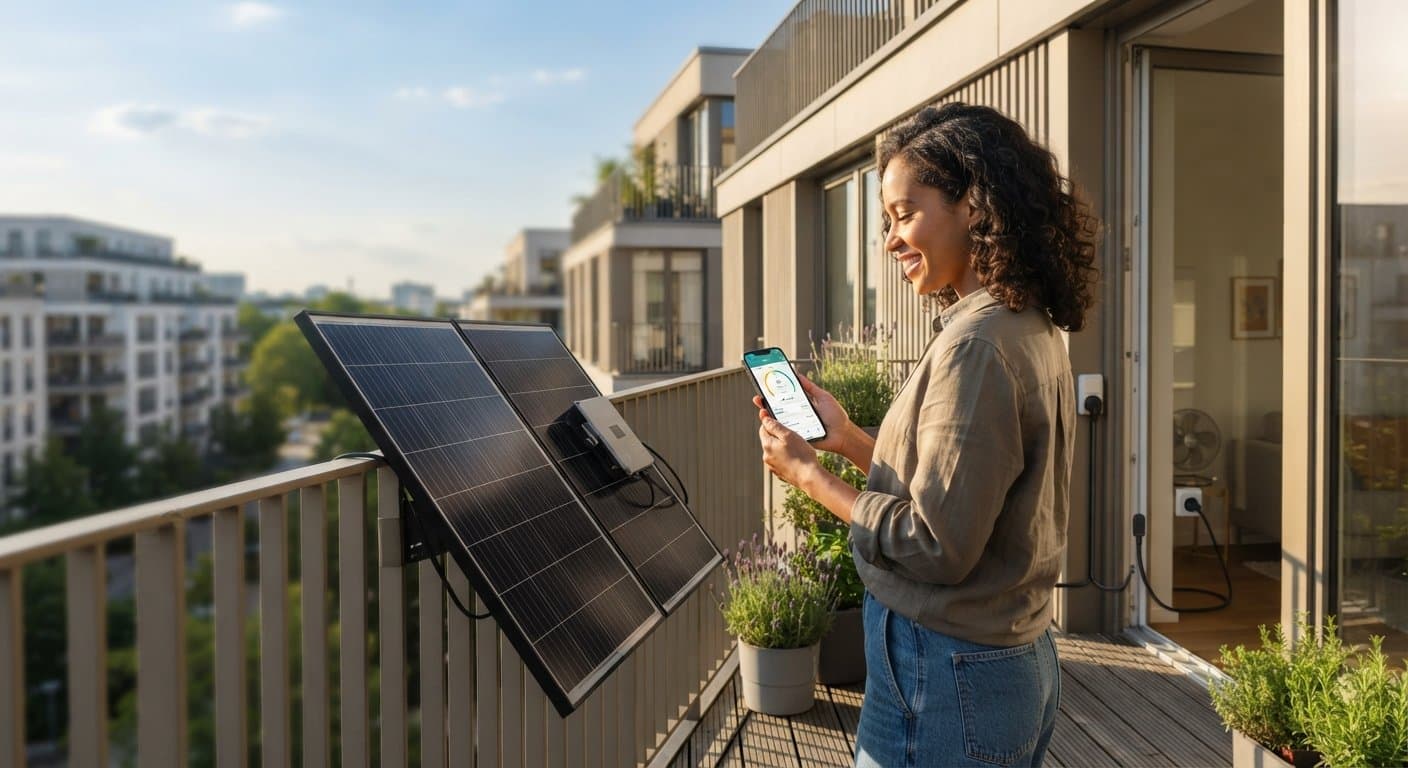
Plug-In Solar Kits: A Renter's Path to Energy Savings
Many renters want lower electric bills but cannot install rooftop panels or make permanent home upgrades. Plug-in solar kits offer another option. These portable systems use balcony or patio panels to generate electricity and connect it to a household outlet. They can help reduce grid use, but savings and safety depend on your home, utility rules, and the kit's design.
Before buying, check your lease, ask your landlord, and confirm local electrical requirements. A small system can be a useful first step, but it will not power an entire apartment or eliminate every charge on your bill.
How Plug-In Solar Works
Solar cells convert sunlight into direct current electricity. An inverter changes that electricity into alternating current, the type used by household appliances. In a plug-in kit, the inverter feeds power through an approved connection to a circuit in your home. Appliances use that energy first. If they need more, the utility supplies the rest.
A kit may include one or more panels, a microinverter, mounting hardware, cables, and monitoring features. Some portable kits store energy in a battery, while others send power directly to your home circuit. A battery can shift solar use beyond sunny periods, but it adds cost and conversion losses.
Output varies with panel direction, shade, weather, and temperature. A south-facing balcony with open sky may produce more than a shaded space facing north. Railings, nearby buildings, and trees can cut production. Ask for an estimate based on your actual location rather than relying on a kit's maximum rating.
What Savings Could Look Like
Consider a 400-watt panel system that produces 400 kilowatt-hours in a year. This is an example, not a promise. Actual output may be lower in a shaded Philadelphia apartment or higher in a sunny, unobstructed location. At an electricity price of 20 cents per kilowatt-hour, that production could offset about 80 dollars in energy charges annually.
The math is simple: 400 kilowatt-hours multiplied by 20 cents equals 80 dollars. Your bill may still include fixed service fees, taxes, and other charges. If your utility pays little or nothing for electricity sent back to the grid, using solar power while appliances are running can improve the value.
A kit that costs 600 dollars would take about seven and a half years to repay at 80 dollars in annual savings, before maintenance, financing, or changes in utility rates. If shade cuts output in half, the simple payback could stretch to 15 years. Compare the estimated savings with the kit's price and how long you expect to live in the apartment.
Safety, Permission, and Utility Rules
A standard outlet is not automatically a safe solar connection. Use equipment designed for your local electrical system, with appropriate certifications and built-in protections. Follow the manufacturer's instructions, and have a qualified electrician review the setup if rules or wiring are unclear. Never connect an improvised cable or feed power through a household outlet using a device that lacks proper safeguards.
Rules differ by utility and local authority. Some places require registration, inspection, or permission before a grid-connected system operates. Ask your utility about interconnection rules, export credits, and whether a plug-in system is allowed. Check building rules and get written landlord approval before attaching equipment to a balcony, railing, or exterior wall.
Secure panels against wind, keep exits and walkways clear, and avoid drilling or altering a rental without permission. If a balcony is not suitable, a portable panel on a stable, permitted patio setup may be an option. Bring portable equipment inside when conditions or manufacturer guidance call for it.
Choosing a Kit That Fits
Compare kits using consistent details, not just the headline wattage. Ask for expected annual production, inverter rating, cable specifications, safety certifications, mounting instructions, warranty coverage, and repair options. Confirm whether the system is intended to connect to household wiring or to charge a separate battery.
Check the inverter's output limits. In strong sun, panels can produce more direct current than the inverter can convert, a condition called clipping. Some clipping is normal, but the seller should explain expected performance. For battery systems, review round-trip efficiency, which measures how much stored energy remains available after charging and discharging.
Look for portable panels that suit your balcony size and mounting limits. Higher-efficiency modules can produce more power in a small area, though they may cost more. A smart monitor can show generation and help you run flexible appliances when the sun is strongest.
Start Small, Then Improve
You can reduce electricity use alongside solar. These low-cost steps help make each kilowatt-hour go further:
- Replace frequently used bulbs with LEDs.
- Wash clothes in cold water when suitable, and air-dry some loads.
- Use an advanced power strip for electronics that draw standby power.
- Seal small drafts with removable weatherstripping, with landlord approval.
- Run dishwashers or other flexible appliances during sunny periods when practical.
For a larger upgrade, ask your landlord about efficient appliances, window shading, or a shared rooftop solar option. Renters can also compare green electricity plans where available. These choices may help even when a balcony kit is not allowed.
Practical Next Steps
Start with your lease and utility rules. Then review 12 months of electric bills to understand your use and rates. Measure the balcony, note shading throughout the day, and check how panels can be secured safely. Compare at least two kits with the same production assumptions, equipment details, and warranty terms.
Keep receipts, installation documents, and utility approval records. Check cables and mounts regularly for wear, and follow the maker's cleaning and inspection guidance. Track production through the monitoring app and compare it with your bill. If output drops, look for new shade, dirt, loose connections, or equipment alerts.
Frequently Asked Questions
Can a renter use a plug-in solar kit?
Yes, renters can use plug-in solar kits when they follow lease terms, obtain landlord permission, and meet local electrical requirements. The key is selecting certified equipment and confirming that your building allows balcony or patio installations.
Will a kit eliminate my electric bill?
A plug-in solar kit will not eliminate your electric bill. These systems typically offset a portion of your usage, and your bill will still include fixed service fees, taxes, and other charges that solar production does not affect.
Can I plug any solar panel into a wall outlet?
No, you cannot plug any solar panel into a wall outlet. Only systems designed with proper inverters, certifications, and safety features should connect to household circuits. Using uncertified equipment creates fire and electrical hazards.
Does a balcony need direct sun?
A balcony needs direct sun for meaningful solar production. South-facing locations with minimal shade produce the most electricity. North-facing or heavily shaded spaces will generate significantly less power throughout the year.
Can I take the kit when I move?
Yes, you can take most plug-in solar kits when you move. These portable systems use removable mounting hardware and standard electrical connections, making them suitable for renters who change residences.
Making the Most of Your Investment
Success with plug-in solar depends on matching equipment to your specific situation. Measure your available space, assess sunlight patterns, and verify all permissions before purchasing. Track your actual production against estimates to understand real-world performance. When you combine solar generation with energy efficiency improvements, each kilowatt-hour provides greater value. This approach helps renters reduce costs while respecting lease terms and building requirements.