
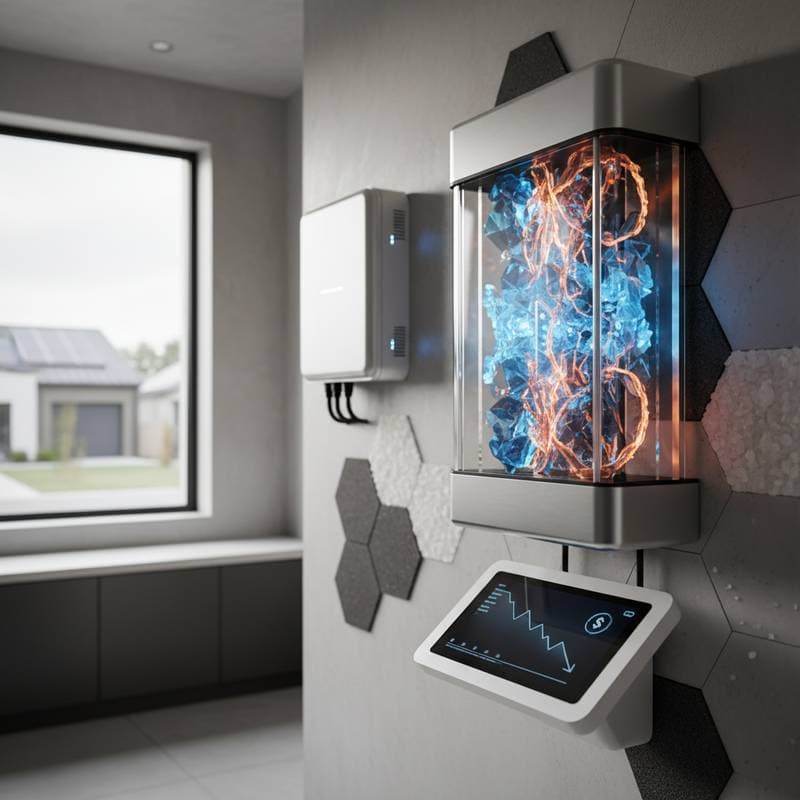
Sodium-Ion Batteries: A Cost-Effective Alternative to Lithium in 2025
Homeowners often appreciate the benefits of solar energy yet pause at the expense of lithium-ion batteries. Energy storage represents a significant barrier to achieving full energy independence. Sodium-ion technology enters this landscape as a promising contender, offering reduced costs, enhanced safety, and materials that prove easier to obtain.
Solar installations generate power solely during daylight hours. Without reliable storage, excess electricity typically flows back to the utility grid. Batteries address this limitation by capturing surplus energy for later use, such as evenings or power interruptions. Lithium-ion batteries have long led the market due to their superior energy density and extended durability. However, these systems depend on scarce resources like cobalt and nickel, which elevate expenses and spark environmental worries.
The Role of Batteries in Solar Energy Systems
Effective storage transforms intermittent solar power into a dependable resource. Homeowners can offset peak utility rates by drawing from stored energy during high-demand periods. This approach not only cuts bills but also bolsters resilience against grid failures. As solar adoption grows, the demand for affordable, scalable storage solutions intensifies. Sodium-ion batteries position themselves to meet this need by prioritizing accessibility over premium performance metrics.
Principles of Sodium-Ion Battery Operation
Sodium-ion batteries function through a process akin to that of lithium-ion batteries. Ions shuttle between the cathode and anode via an electrolyte medium. The primary distinction lies in the ion type: sodium ions replace lithium ions. Although sodium ions carry greater size and weight, which modestly impacts energy density, sodium's abundance compensates effectively.
Manufacturers derive sodium from common sources like seawater or mineral deposits containing salt and soda ash. These inputs remain inexpensive and plentiful worldwide. A standard sodium-ion configuration features a cathode composed of layered oxides or phosphates designed to accommodate sodium ions. The anode typically employs hard carbon, valued for its affordability and electrical conductivity. Upon charging, sodium ions migrate to the anode for storage. During discharge, they return to the cathode, liberating electrons to supply household electricity.
This design supports seamless integration with solar inverters. Users experience consistent power delivery without the volatility associated with some alternative chemistries. Ongoing research refines electrolyte formulations to further optimize ion mobility and overall efficiency.
Comparing Costs and Performance
Installed lithium-ion battery systems for residential use range from 500 to 600 dollars per kilowatt-hour. Emerging sodium-ion prototypes demonstrate viability at 300 to 400 dollars per kilowatt-hour. Such savings accelerate the return on investment for combined solar and storage setups, potentially shortening payback periods by multiple years.
Sodium-ion batteries exhibit energy densities around 120 watt-hours per kilogram, lower than the 180 watt-hours per kilogram of lithium-ion counterparts. For fixed home installations, where weight and volume constraints play a minor role, this disparity becomes negligible. Reliability testing reveals sodium-ion cells enduring 3,000 to 5,000 cycles. This endurance equates to over a decade of daily cycling, influenced by factors like discharge depth and operating temperatures.
Performance varies by manufacturer and application. Early adopters report efficiencies exceeding 90 percent in round-trip energy conversion. As production scales, these metrics improve, making sodium-ion a viable choice for diverse household needs.
Advantages in Sustainability and Supply Chains
Sodium-ion technology sidesteps critical supply vulnerabilities. Key components—sodium, iron, and carbon—originate from domestic or regional sources, diminishing reliance on imported lithium and cobalt. This localization streamlines logistics and mitigates price fluctuations tied to global mining.
Environmentally, the shift reduces ecological footprints. Extraction processes for sodium materials demand less energy and generate fewer emissions than those for rare earth elements. Recycling proves straightforward, as the chemistry facilitates disassembly without hazardous byproducts. Moreover, sodium-ion cells exhibit greater thermal stability, lowering risks of overheating or combustion during use or transport.
These attributes foster broader accessibility. In areas with limited lithium availability, sodium-ion options enable faster deployment of solar storage. Policymakers and manufacturers alike recognize this potential, investing in infrastructure to support widespread production by 2025.
Integrating Sodium-Ion into Home Solar Setups
Residential sodium-ion batteries debut in compact configurations or as supplements to existing lithium systems. A 10-kilowatt-hour unit suffices to power vital appliances through the night, including lights, refrigerators, and devices. When coupled with solar panels, such a system can decrease grid reliance by 60 percent or greater, based on local sunlight and consumption patterns.
Installation requires compatibility with standard inverters. Professional assessors evaluate site-specific factors like roof orientation and energy usage to recommend optimal sizing. Hybrid designs allow gradual transitions, blending battery types for balanced performance and cost.
Users benefit from modular scalability. Begin with essential coverage and expand as budgets permit. This flexibility encourages experimentation with off-grid living while maintaining ties to utility services.
Optimizing Long-Term Battery Performance
Regular monitoring ensures sustained efficiency. Track temperature and state-of-charge via dedicated applications provided by the system. Maintain unobstructed airflow around units to prevent heat buildup. Arrange annual professional checks to inspect connections and firmware.
Manufacturers release updates to refine charging algorithms and predictive maintenance features. Apply these promptly to maximize lifespan. Avoid extreme discharges below 20 percent capacity, which preserves internal components. In temperate climates, sodium-ion batteries thrive with minimal intervention, delivering years of reliable service.
By 2025, advancements in materials and controls elevate these systems further. Homeowners gain access to storage that aligns economic, environmental, and practical priorities, solidifying solar as a cornerstone of sustainable living.
Frequently Asked Questions
What factors contribute to the lower cost of sodium-ion batteries?
They incorporate plentiful materials such as salt and carbon, bypassing the expense of lithium and cobalt.
Do sodium-ion batteries provide reduced energy storage capacity?
They offer slightly less energy per kilogram, though this proves insignificant for stationary residential applications.
Are sodium-ion batteries suitable for home environments in terms of safety?
Yes, their inherent stability minimizes risks of thermal runaway compared to other types.
Is integration possible with current solar installations?
Most models connect via hybrid inverters designed to accommodate various battery chemistries.
What is the expected lifespan of sodium-ion batteries?
They typically withstand 3,000 to 5,000 charge cycles when maintained appropriately.