
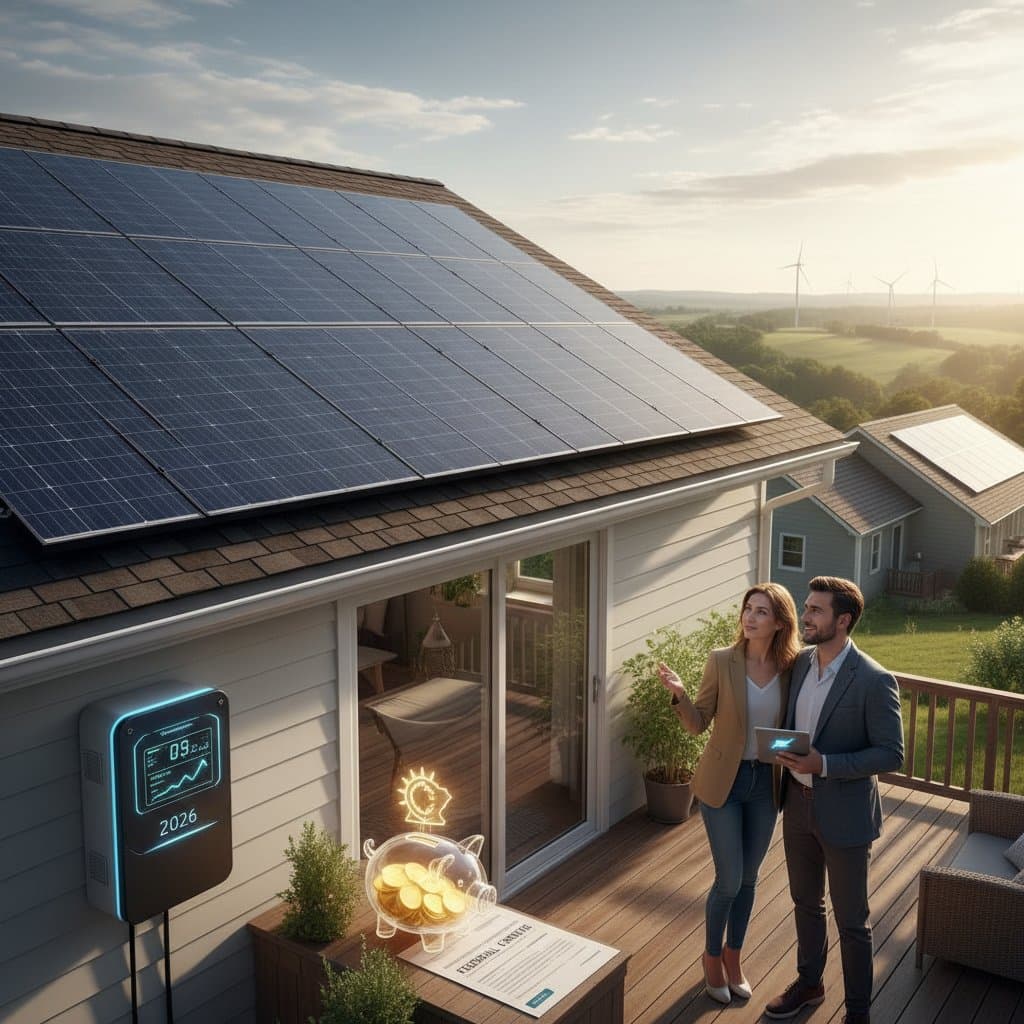
2026 Tariffs: Solar Panels Get Pricier Soon
Homeowners across Pennsylvania hear frequent discussions about upcoming tariffs on imported solar panels. These tariffs raise questions about installation plans amid incentives, supply chain dynamics, and technological advances. The essential point remains straightforward: prices for solar panels will likely increase after new import duties activate, which positions prompt action as a wise strategy for financial savings and environmental sustainability.
Solar energy stands as a dependable method to reduce electricity expenses and enhance property values. The impending tariffs influence the speed of investment recovery for new installations. Grasping the reasons behind these tariffs, their potential addition to system expenses, and preparatory measures empowers informed decisions.
Why Tariffs Are Coming
Tariffs function as trade mechanisms that elevate the price of imported products to bolster domestic production. Within the solar sector, they aim to aid American panel manufacturers in competition against expansive international suppliers. The reality persists that the majority of panels used in United States installations originate from foreign facilities. As tariffs escalate, expenses for these imports climb, and such increases typically transfer to installers and consumers.
Certain policymakers argue that elevated tariffs foster a more robust domestic solar supply chain. Critics contend that higher costs may hinder widespread adoption precisely when solar gains traction. Both viewpoints hold merit, yet for individuals scheduling installations, the central concern centers on optimal timing. Completing an installation prior to tariff implementation secures lower hardware rates and improved financial outcomes.
How Tariffs Affect Solar Prices
Solar panel prices have declined sharply over the last two decades, yet they constitute approximately 25 to 35 percent of a residential system's overall expense. Tariff hikes directly inflate this segment. For instance, consider a 7-kilowatt system priced at 18,000 dollars prior to incentives; a 10 percent tariff on panels might elevate the total by 500 to 700 dollars. This increment appears modest in isolation, but when paired with possible labor adjustments or supply chain surcharges, the effect could surpass 1,000 dollars per system.
Installers procure panels ahead of time, though stockpiles adapt rapidly upon tariff enforcement. A panel model currently at 0.40 dollars per watt may rise to 0.46 dollars per watt. In a typical residential setup, this shift translates to several hundred dollars extra for equivalent output.
Why Acting Early Matters
Individuals who finalize contracts before tariffs activate frequently retain prevailing rates. Numerous installers uphold quoted prices for orders placed prior to duty commencement, regardless of delayed installation dates. Early commitment also circumvents potential delays, as demand surges when buyers seek to precede price escalations.
Beyond expenses, prompt installation initiates energy cost reductions immediately. In the Philadelphia area, a 7-kilowatt system generates roughly 9,100 kilowatt-hours annually under optimal conditions. With utility rates averaging 24 cents per kilowatt-hour, this production offsets approximately 2,180 dollars in yearly electricity charges. Each postponed month results in utility payments rather than self-generated renewable power.
Incentives That Offset Tariff Impacts
Federal and state programs mitigate rising equipment costs effectively. The federal investment tax credit reimburses a substantial portion of installation expenses, while Pennsylvania residents benefit from net metering, which compensates excess grid-fed energy. Several utilities provide low-interest loans or financing options to distribute payments across years.
Tariffs that add several hundred dollars to a project qualify for the full tax credit application. Thus, a portion of the added expense receives indirect relief. If a system escalates from 18,000 to 18,900 dollars with a 30 percent federal credit, the net increase amounts to about 630 dollars. Distributed over the system's multi-decade lifespan, this represents a minor offset against cumulative savings.
How to Plan for the Change
- Schedule a site assessment immediately. A certified installer evaluates roof dimensions, shading patterns, and directional alignment to determine the ideal system capacity.
- Retrieve your past 12 months of utility statements. These records enable precise system sizing based on verified consumption rather than approximations.
- Solicit quotes from multiple providers. Require details on panel types, inverter specifications, and warranty coverage to facilitate direct comparisons.
- Verify incentive qualifications. Confirm that applicable state or local rebates align with your intended project schedule.
- Inquire about panel acquisition strategies. Certain installers stockpile units pre-tariff to preserve existing rates.
These measures safeguard against unexpected developments and optimize investment returns.
Hidden Benefits That Stay Constant
Tariffs may introduce minor price adjustments, but solar's enduring merits persist undiminished. Systems lower recurring bills, elevate real estate appeal, and diminish carbon footprints. They also shield against escalating utility rates. Integrating battery storage enhances reliability with outage protection and enables energy use during off-peak periods.
Solar-equipped residences often deliver greater comfort and assurance. Contemporary inverters support smartphone-based oversight of generation and usage. Such data empowers refined behaviors that amplify additional efficiencies over time.
Cost and Payback Example
Examine a standard Philadelphia residence outfitting a 7-kilowatt system.
- System expense: 18,000 dollars pre-incentives
- Federal credit at 30 percent: 5,400 dollars
- Net expense: 12,600 dollars
- Yearly savings: 2,180 dollars
- Payback timeline: approximately 6 years
A 1,000-dollar tariff-induced increase lengthens payback by mere months. Thereafter, the array supplies cost-free power for decades. Despite modest upticks, solar qualifies as a premier residential enhancement for steady, extended yields.
What to Expect During Installation
The process unfolds in structured phases. Following the assessment and design, execute the agreement; the installer then submits permits. Upon approval, setup spans one to three days based on roof intricacies. Inspection and grid interconnection follow, activating credits from operational commencement.
Panels typically include 25-year performance guarantees with annual efficiency degradation below 0.5 percent. Monitoring applications display daily yields, verifying functionality. Maintenance requires little effort: periodic visual inspections and cleaning for accumulated debris.
Small Steps While You Wait
Interim measures can curb energy expenses pending full solar deployment. Implement these practices:
- Swap incandescent bulbs for LED equivalents.
- Employ smart power strips to eliminate phantom loads.
- Launder in cold water and line-dry fabrics as feasible.
- Apply weatherstripping to entryways and windows.
- Adjust thermostats nearer to ambient conditions.
Such adjustments may reduce bills by 10 to 15 percent, priming the household for seamless solar integration.
Next Steps and Maintenance Guidance
Prospective solar adopters should initiate research promptly. Obtain quotes to benchmark figures before tariff effects materialize. Probe each provider on supply timelines and pricing preservation options. Audit local incentives for full eligibility.
Post-installation, sustain peak performance through routine checks. Review app data monthly, remove obstructing foliage, and arrange expert reviews biennially. Annual gentle rinsing or cleaning twice yearly maintains robust production. Allow natural snow melt to prevent surface damage.
Individual efforts accumulate impact. Full arrays or incremental efficiencies alike alleviate grid strain and advance sustainable, dependable energy infrastructure.
Frequently Asked Questions
When do the 2026 solar tariffs take effect?
The new tariffs on imported solar panels are scheduled to begin in early 2026, targeting specific countries and panel types to promote domestic production.
How much will tariffs increase my solar system cost?
Expect an addition of 500 to 1,000 dollars or more for a typical 7-kilowatt residential system, depending on panel sourcing and installer adjustments.
Can I still get the federal tax credit with higher prices?
Yes, the 30 percent investment tax credit applies to the entire system cost, including any tariff-related increases, reducing the net impact.
What if I sign a contract now but install later?
Many installers lock in current panel prices for contracts signed before tariffs, even if installation occurs afterward, subject to their policies.
Are there Pennsylvania-specific incentives to help?
Pennsylvania offers net metering and potential property tax exemptions for solar; check with local utilities for additional rebates or loans.