
Understanding the Cost Advantage
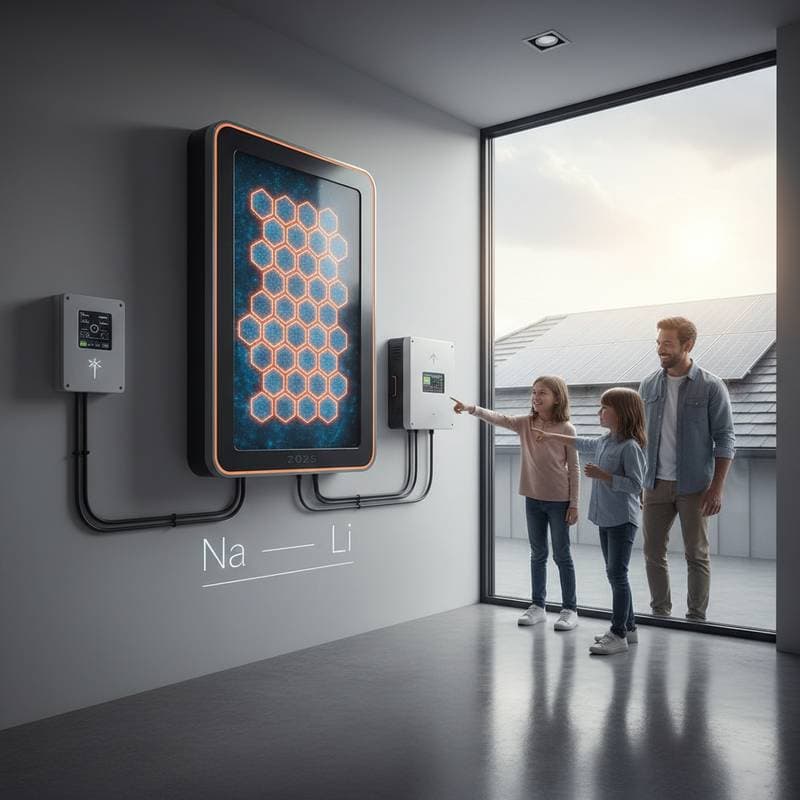
Sodium-ion batteries emerge as a game-changer for residential solar storage in 2025. Abundant sodium replaces scarce lithium, driving down material expenses and overall system prices. This shift promises reductions of up to 30 percent compared to traditional lithium-ion setups, making solar energy more attainable for everyday households.
Consider a typical setup to illustrate the impact. A home installs 7 kilowatts of solar panels, generating approximately 1,300 kilowatt-hours per kilowatt annually, for a total of about 9,100 kilowatt-hours. With an electric rate of 24 cents per kilowatt-hour, and a 10-kilowatt-hour usable battery capacity, the system optimizes energy use. The household consumes most solar production directly and stores excess for evenings, avoiding the purchase of roughly 2,000 kilowatt-hours from the grid each year.
This avoidance translates to annual savings of 480 dollars. A lithium-ion battery system may cost 10,000 dollars, whereas a sodium-ion equivalent approaches 7,500 dollars. The sodium option accelerates payback, particularly with tax credits or state rebates. Over a decade, cumulative savings surpass 4,000 dollars versus relying solely on grid power, excluding added resilience during outages.
Seamless Integration with Solar Systems
Sodium-ion batteries integrate effortlessly with existing solar installations. They pair with hybrid inverters commonly used for lithium storage, handling time-of-use rates, backup loads, and grid exports with equal efficiency. In most cases, installers apply a simple firmware update to enable compatibility, avoiding the need for extensive modifications.
Homeowners gain flexibility in planning. Those installing solar panels now can defer battery addition until later, without requiring major rewiring. Modular designs further enhance adaptability; a family starts with 5 kilowatt-hours of capacity and expands as energy demands increase. This scalable approach aligns investments with evolving household needs and financial readiness.
Beyond basic integration, sodium-ion systems support advanced features. They optimize energy flow during peak pricing periods and provide seamless whole-home backup. As production scales, these batteries will integrate with smart home ecosystems, automating usage based on weather forecasts and consumption patterns.
Maintenance and Durability Essentials
Owners of sodium-ion batteries enjoy minimal upkeep demands. Maintain a clean, well-ventilated installation space, monitor health via the system's app, and arrange annual inspections with certified installers. Sealed modules eliminate the need for fluid level checks or complex servicing.
Warranties typically span at least ten years or a set number of charge cycles, reflecting robust construction. If a module degrades, replacement proves straightforward and economical, often without disrupting the entire system. As adoption grows, recycling initiatives will streamline end-of-life processes, ensuring environmental responsibility.
These batteries excel in longevity and safety. Their chemistry resists thermal runaway and operates reliably across temperature ranges, from cold winters to hot summers. Regular software updates from manufacturers further extend performance, keeping systems efficient over time.
Steps to Adopt Sodium-Ion Storage
Transitioning to sodium-ion batteries requires deliberate preparation. Begin by examining your past 12 months of electric bills to pinpoint usage patterns, rates, and peak demand periods. This data informs the ideal system size and expected savings.
Next, conduct a comprehensive home energy assessment. Professionals identify opportunities for efficiency improvements, such as better insulation or appliance upgrades, which reduce overall storage requirements. With this foundation, solicit quotes from multiple installers, requesting side-by-side comparisons of lithium and sodium-ion options under identical conditions.
Verify available incentives through local, state, and federal resources, as these can offset upfront costs significantly. Plan the physical installation carefully, selecting a secure location with proper ventilation and accessibility. Once permits secure approval, installation typically completes in a few days, minimizing disruption.
Post-installation, leverage the system's app to monitor performance, track savings, and assess battery health. Regular reviews ensure optimal operation and reveal opportunities for further refinements, such as adjusting export settings based on utility policies.
Frequently Asked Questions
Are sodium-ion batteries ready for home use in 2025?
Several leading manufacturers now offer residential-scale units. Regional availability varies, yet installers anticipate widespread access as supply chains mature.
By how much do sodium-ion batteries reduce costs over lithium-ion?
System-level pricing falls 20 to 30 percent lower, influenced by manufacturing volumes and regional factors. These savings compound through lower maintenance and recycling expenses.
Can they connect to current solar inverters?
Hybrid inverters generally accommodate sodium-ion batteries via software updates. Verify specifics with your installer to ensure seamless operation.
What safety features distinguish sodium-ion batteries?
Their stable chemistry minimizes thermal runaway risks and avoids volatile materials. Performance remains consistent in diverse environmental conditions.
What lifespan should owners expect?
Systems endure 3,000 to 5,000 cycles, supporting 10 to 15 years of typical household cycling. Proper care extends this further.
Will a sodium-ion battery sustain a full home during power outages?
Appropriately sized units, like 10 kilowatt-hours, power essential appliances for one to two days. Larger configurations handle extended durations.