
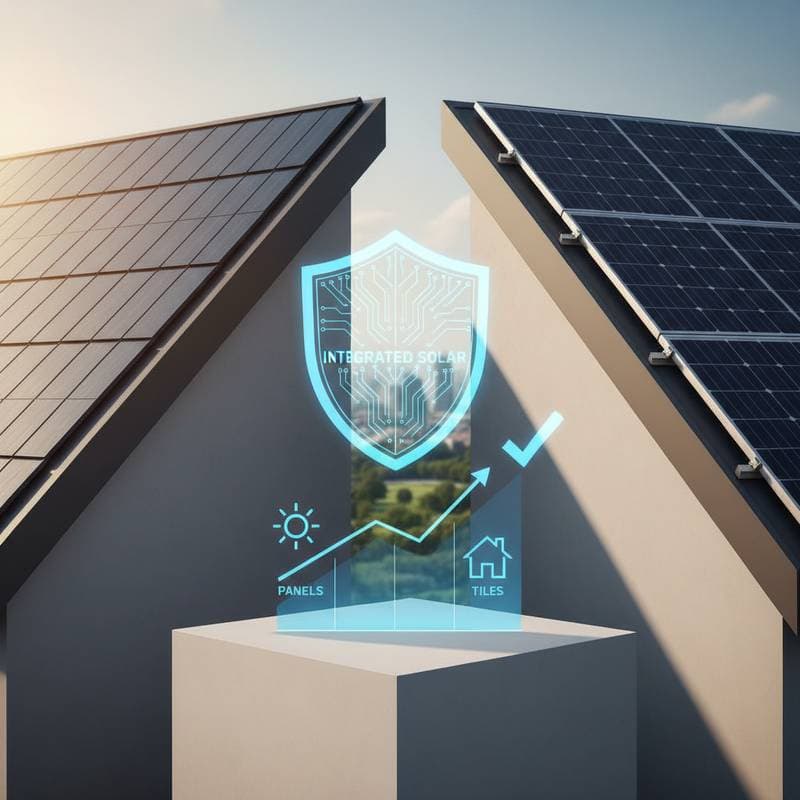
Understanding 2026 Solar Warranties: Coverage Essentials for Panels and Tiles
Solar energy installations represent a significant investment for homeowners. As technology progresses, warranties play a crucial role in safeguarding that investment. For 2026 models, coverage options differ markedly between traditional solar panels and innovative solar tiles, affecting everything from performance guarantees to structural protection.
This article examines these warranties in detail. It compares key features, highlights practical implications, and guides readers toward informed choices. By focusing on reliability and value, homeowners can select systems that align with their needs.
Key Components of Solar Warranties
Warranties for solar systems typically include product and performance guarantees. Product warranties cover manufacturing defects, while performance warranties ensure energy output over time. In 2026, expect extended terms, often reaching 25 to 30 years, reflecting improved material durability.
For solar panels, manufacturers emphasize output degradation limits. Most plans guarantee at least 80 percent efficiency after 25 years. This protection addresses potential declines due to weather exposure or installation issues.
Solar tiles, integrated into roofing materials, extend coverage to the entire roof system. Warranties often include weatherproofing against leaks and impacts. Such comprehensive plans mitigate risks from integrated designs, where solar elements form part of the structural layer.
Coverage Scope: What Is Included?
Standard inclusions protect against defects in materials and workmanship. For panels, this means replacement of faulty cells or frames. Tiles warranties cover shattering, discoloration, or failure to generate power.
Additional protections address installation errors. Reputable providers offer labor coverage for the first decade, reducing out-of-pocket costs for repairs. In 2026, some advanced plans incorporate smart monitoring, warranting system diagnostics for early issue detection.
Homeowners should verify exclusions, such as damage from improper maintenance or natural disasters beyond standard perils. Understanding these boundaries prevents surprises during claims.
Comparing Panels and Tiles: Warranty Differences
Solar panels mount on existing roofs, simplifying retrofits. Their warranties focus on electrical performance and mounting hardware longevity. Expect guarantees for inverter efficiency, often 10 to 12 years, with extensions available.
Tiles replace traditional roofing, demanding holistic coverage. 2026 warranties for tiles typically bundle solar generation with roof integrity, spanning 25 years for both. This integration protects against uplift from winds or thermal expansion.
Efficiency metrics vary. Panels often warrant 90 percent output in the first 10 years, dropping gradually. Tiles, with lower initial efficiency, guarantee steady performance tied to roof lifespan, appealing for aesthetic priorities.
Reliability Under 2026 Standards
Advancements in photovoltaic materials enhance reliability. Panels benefit from anti-reflective coatings, warrantied against degradation from UV exposure. Tiles incorporate impact-resistant glass, covered for hail up to two-inch diameters.
Long-term data supports these claims. Industry tests show panels retaining 85 percent capacity after 20 years under warranty terms. Tiles demonstrate similar resilience, with added benefits from seamless installation reducing leak points.
Homeowners in variable climates gain from micro-inverter warranties in both systems. These components, warrantied for 25 years, optimize individual panel or tile output, minimizing system-wide failures.
Cost Implications and Savings Potential
Initial costs influence warranty value. Panels average lower upfront prices, with warranties accelerating payback through high energy yields. A typical 5-kilowatt system might recoup costs in 6 to 8 years, bolstered by performance guarantees.
Tiles command premium pricing due to dual roof-solar functionality. However, their warranties offset this by including roof replacement value. Over 25 years, integrated coverage can save thousands in separate roofing expenses.
Tax incentives amplify savings. Federal credits apply to both, but tiles may qualify for additional state rebates tied to energy-efficient building materials. Warranties ensure these benefits endure, protecting against output shortfalls.
Calculating Return on Investment
To evaluate, consider energy production forecasts. Panels often yield 1,500 kilowatt-hours per kilowatt annually in sunny regions. Warranties guarantee 80 percent of this over decades, supporting predictable bill reductions.
Tiles produce slightly less, around 1,200 kilowatt-hours per kilowatt, but their warranties encompass aesthetic preservation. This boosts resale value, with studies indicating 4 percent home price increases for solar-equipped properties.
Use online calculators to model scenarios. Input local rates and system size to project savings, factoring in warranty-backed performance. This approach reveals panels for budget-focused returns and tiles for premium, long-haul protection.
Installation and Maintenance Considerations
Proper installation activates full warranty benefits. Certified installers ensure compliance with manufacturer standards, avoiding voided claims. For panels, racking systems must withstand 110-mile-per-hour winds, as per warrantied specifications.
Tiles require specialized roofing expertise. Warranties mandate professional application to maintain waterproof seals. Post-installation, annual inspections preserve coverage, focusing on connections and debris clearance.
Maintenance routines differ minimally. Both systems need gentle cleaning to sustain efficiency. Warranties often include protocols for bird-proofing or shading mitigation, extending operational life.
Steps to Maximize Warranty Protection
- Select certified providers with proven track records.
- Review warranty documents for fine print on transfers and extensions.
- Document installation with photos and receipts for claim support.
- Schedule regular professional check-ups to monitor performance.
- Stay informed on updates, as 2026 models may introduce enhanced terms.
Following these steps ensures warranties deliver intended safeguards.
Emerging Trends in Solar Protection
By 2026, warranties evolve with smart technology integration. IoT-enabled systems provide real-time data, warrantied for cybersecurity against hacks. This feature enhances reliability, alerting owners to anomalies before failures occur.
Sustainability drives changes too. Recyclable materials in panels and tiles come with end-of-life disposal guarantees. Such provisions align with environmental goals, adding value for eco-conscious buyers.
Customization options emerge. Tailored warranties for high-risk areas, like coastal zones, cover salt corrosion or flooding impacts. These specialized plans reflect growing market demands for resilient solutions.
Choosing the Right Solar Option for Your Home
Decisions hinge on priorities. Panels suit those seeking rapid efficiency and straightforward coverage. Their warranties emphasize power generation, ideal for maximizing savings.
Tiles appeal to homeowners valuing design and integration. Comprehensive warranties protect the entire roof-solar unit, offering peace of mind through unified durability.
Consult local experts to assess roof suitability and energy needs. Factor in warranties as a core criterion, ensuring selections enhance both financial and structural security. With 2026 advancements, solar investments promise enduring benefits for forward-thinking households.