
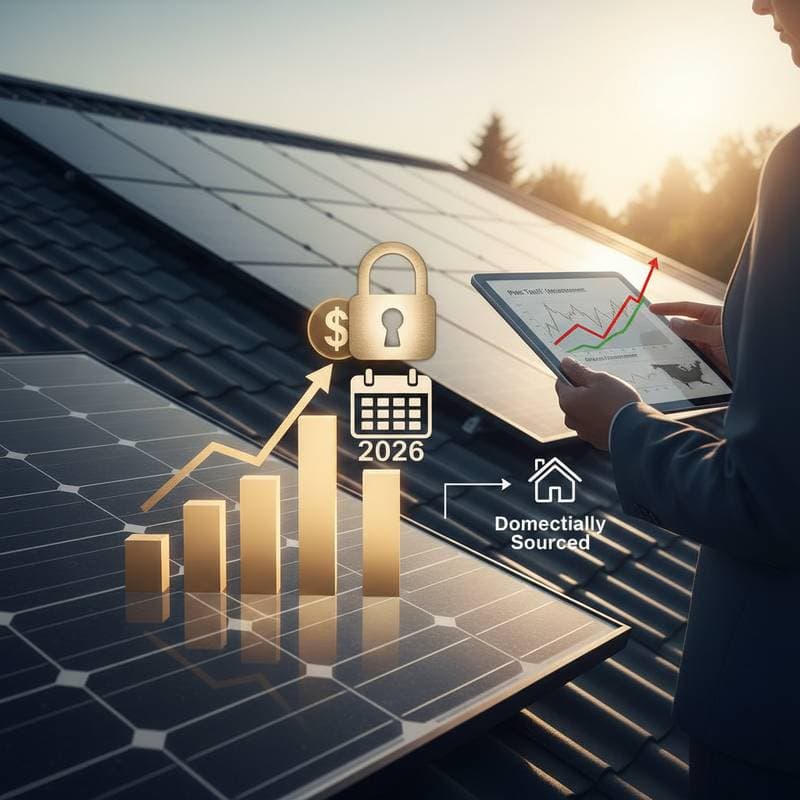
2026 Solar Tariffs Will Raise Panel Import Costs
The solar energy sector faces significant changes with the introduction of tariffs in 2026. These measures target imported solar panels, aiming to protect domestic manufacturing but increasing costs for consumers. Homeowners and businesses must understand these shifts to make informed decisions about solar investments.
Tariffs represent a government-imposed fee on imported goods. In this case, they apply to solar panels from countries like China and Southeast Asia, which dominate the global supply chain. The policy seeks to bolster American production, yet it comes at a price for installation projects.
Understanding the Upcoming Tariffs
The 2026 tariffs build on previous trade policies initiated in recent years. Officials propose rates that could reach 25 percent on certain imports, depending on the country of origin. This escalation responds to concerns over unfair trade practices and national security.
Solar panel prices have remained competitive due to low-cost imports. However, these tariffs will disrupt that balance. Manufacturers may pass the added costs directly to buyers, leading to higher upfront expenses for solar systems.
Industry experts predict a 10 to 25 percent increase in panel costs by 2026. This range accounts for varying tariff levels and supply chain adjustments. Smaller installers might face greater challenges, potentially delaying projects nationwide.
Impact on Solar Installation Costs
Higher panel prices will elevate the total cost of solar installations. A typical residential system, which includes 20 to 30 panels, could see thousands added to the bill. For example, a 7-kilowatt setup might rise from $20,000 to $24,000 before incentives.
Payback periods will extend as a result. Systems that once recovered costs in six to eight years may now take nine to eleven years. This change reduces the financial appeal for budget-conscious homeowners.
Businesses installing solar for commercial properties will encounter similar hurdles. Larger projects amplify the cost impact, straining capital budgets. Energy producers must recalibrate return-on-investment calculations accordingly.
Supply chain disruptions add another layer of complexity. Importers may stockpile panels before 2026, causing short-term price volatility. Delays in availability could push back installation timelines for many.
Opportunities with Domestic Panels
Not all panels face these tariffs. Those manufactured in the United States qualify for exemptions or lower duties. Companies like First Solar and SunPower produce high-efficiency options domestically, offering reliable alternatives.
Domestic panels often feature advanced technology, such as thin-film or monocrystalline designs. These provide better performance in diverse climates, including the variable weather patterns in the Northeast. Efficiency ratings above 20 percent ensure optimal energy output.
Sourcing locally supports the economy and reduces shipping emissions. Installers can highlight these benefits to clients, emphasizing sustainability. Quality control standards in U.S. facilities also minimize defect risks.
Leveraging Incentives to Offset Costs
Federal and state incentives remain powerful tools against rising prices. The Investment Tax Credit allows a 30 percent deduction on solar system costs, applicable through 2032. Homeowners should consult tax professionals to maximize this benefit.
State programs vary but often include rebates or low-interest loans. In Pennsylvania, for instance, solar renewable energy certificates provide additional income streams. Pairing these with net metering policies accelerates savings.
Utility companies offer their own perks, such as performance-based incentives. These reward systems that generate excess power for the grid. Research local options early to build a comprehensive financial plan.
Actionable Steps for Homeowners
Timing plays a crucial role in avoiding tariff impacts. Schedule installations before 2026 to lock in current pricing. Consult certified installers now to assess roof suitability and system sizing.
- Evaluate energy needs: Review utility bills to determine ideal system capacity. Aim for coverage of 80 to 100 percent of annual usage.
- Compare quotes: Obtain at least three bids from NABCEP-certified professionals. Focus on total system value, not just panel costs.
- Explore financing: Consider solar loans or leases that spread payments over time. Verify terms to ensure long-term affordability.
- Select efficient components: Prioritize panels with strong warranties, typically 25 years. Include robust inverters for system reliability.
- Plan for maintenance: Budget for annual inspections to sustain performance. Clean panels seasonally to maintain efficiency.
These steps position homeowners to navigate changes effectively. Professional guidance ensures compliance with local codes and permits.
Securing Energy Independence Today
Acting promptly preserves the advantages of solar energy. Lower costs now translate to faster savings and reduced reliance on fossil fuels. Families gain control over energy bills amid rising utility rates.
Solar adoption drives environmental progress. Each installation cuts carbon emissions, contributing to cleaner air and sustainable communities. The long-term rewards outweigh temporary hurdles from tariffs.
Investing in solar builds resilience against future policy shifts. Homeowners secure predictable energy costs for decades. This strategic move fosters financial security and ecological responsibility.