
Smart Roof Tiles Integrate Solar Power and Cooling for Lower Energy Costs
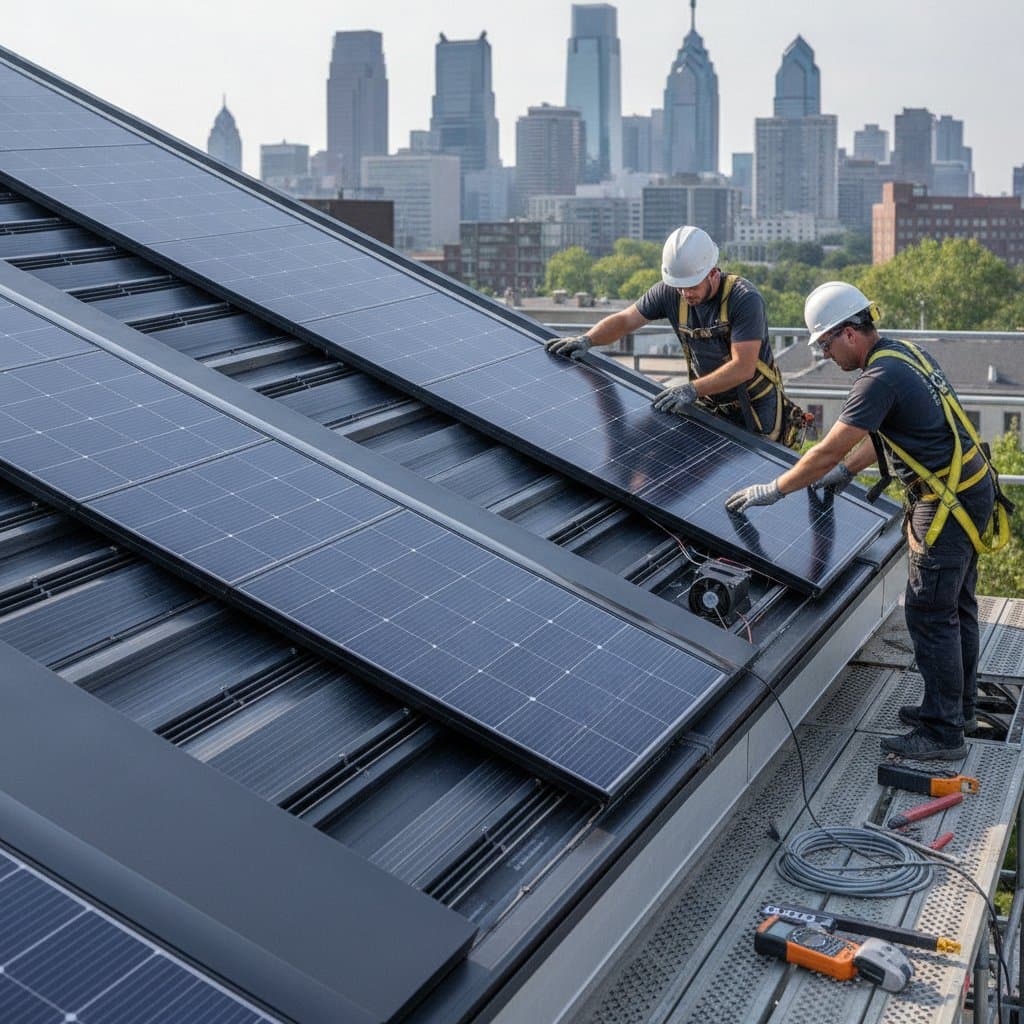
Homeowners in Philadelphia seek reliable ways to reduce electric bills while maintaining indoor comfort. Smart roof tiles with solar cooling combine photovoltaic generation and temperature management in a single roofing system. These tiles lower rooftop heat buildup, produce electricity, and decrease overall energy demand when installed properly.
Roof Temperature and Household Energy Use
Conventional dark roofs can exceed 150 degrees Fahrenheit on sunny days. Excess heat transfers into attics and increases air conditioning runtime. Smart tiles mitigate this issue through reflective coatings, ventilation channels, and embedded solar cells that convert sunlight into power rather than retained heat.
Three mechanisms work together:
- Reflective surfaces limit infrared absorption.
- Ventilation channels release trapped heat.
- Solar cells generate electricity and reduce thermal load.
Professional Installation Requirements
Electrical and structural modifications carry inherent risks. Homeowners must engage licensed electricians and certified roofing contractors for all installation work. Philadelphia code compliance follows the National Electrical Code along with amendments from the Department of Licenses and Inspections.
Contact professionals promptly when any of these conditions appear:
- Deteriorated shingles that expose underlayment
- Corroded wiring near existing solar components
- Tripped breakers following storms
- Signs of moisture around roof penetrations
System Operation and Design
Each tile contains a photovoltaic cell, ceramic reflective layer, and heat dissipation element. Internal sensors track temperature and output. Airflow channels or phase change materials activate when surface temperatures rise. Thermoelectric modules in some models actively transfer heat away from the living space.
Because the tiles replace standard roofing rather than mount above it, wind resistance improves and visual integration with the home remains seamless. Partial roof coverage can still deliver measurable electricity production.
Measured Energy and Financial Benefits
Active cooling improves photovoltaic efficiency by up to 15 percent relative to hotter conventional panels. Combined with attic insulation and efficient HVAC equipment, total household energy consumption can decline by approximately 40 percent. Savings arise from shorter cooling cycles, on site power generation, and reduced material stress that extends roof lifespan.
Product Selection and Compliance
Select systems bearing UL or ETL listings for electrical and fire safety. Documentation should confirm adherence to ASTM roofing standards and rapid shutdown requirements. Installers must supply single line diagrams, structural load calculations, warranty details, and maintenance guidelines.
Ongoing Monitoring and Care
Built in software tracks production and temperature data through web or mobile interfaces. Homeowners should perform these tasks:
- Review output consistency across tile strings.
- Clean surfaces with soft brushes and mild detergent as needed.
- Inspect flashing and tiles after severe weather.
- Arrange annual professional inspections that include infrared imaging.
Any indication of burning odors or repeated breaker trips requires immediate system disconnection and professional service.
Community and Environmental Advantages
Widespread adoption of reflective solar roofing reduces urban heat island effects and eases peak load on the electrical grid. Modular tile design supports targeted repairs that limit material waste.
Recommended Next Actions
Begin with a professional energy audit to quantify attic temperatures and ventilation needs. Obtain multiple quotes from installers experienced with Philadelphia permitting. Maintain records of all service visits and review utility statements quarterly to confirm progress toward energy reduction goals.