
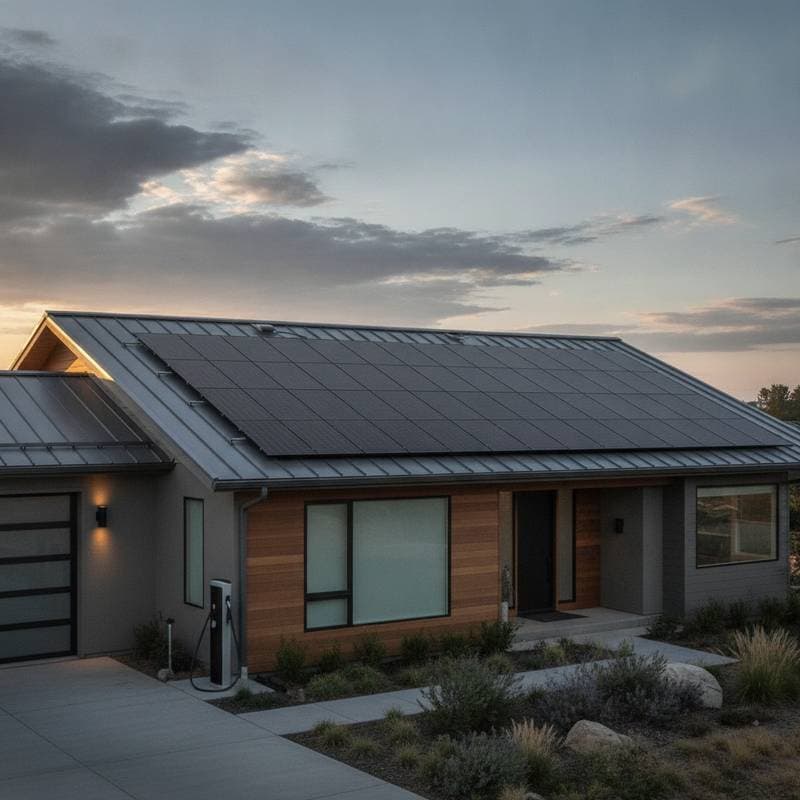
Metal Roofs and Integrated Solar: The New Standard in Residential Roofing
Homeowners across the country are rethinking what a roof can do. A metal roof once meant strength and longevity. Now it often means energy generation too. Integrated solar metal roofing is moving from an upgrade to an expected feature. It combines a durable structure with clean power production in a single, watertight system.
This transformation centers on safety, electrical code compliance, and reliable performance. A roof that generates electricity must protect the home from weather, manage heat, and meet electrical standards for grounding, bonding, and overcurrent protection.
Safety First: When to Call a Professional
Before installing or modifying any solar roofing system, a homeowner must know when to stop. Electrical work that involves roof penetrations, wiring to an inverter, or connection to the main service panel must always be done by a licensed electrician.
Call a professional immediately if any of these signs appear:
- Exposed conductors or loose wiring near the roof array
- Burn marks or melted insulation around junction boxes
- Repeated tripping of a GFCI or AFCI breaker
- Corroded connectors or water inside conduit fittings
A licensed electrician will confirm that wiring methods meet the National Electrical Code and local amendments enforced by the authority having jurisdiction. They will also verify that grounding conductors are continuous and that bonding jumpers are secured with listed hardware.
The Core Advantage of Integrated Solar Metal Roofs
Traditional solar panels sit on top of an existing roof. Integrated solar metal roofs embed photovoltaic cells directly into the metal surface or attach them in factory-sealed panels. This design eliminates many points of failure that come with mounting racks and roof penetrations.
Key benefits include:
- Reduced leak risk. Panels interlock with roofing seams, creating a continuous watertight surface.
- Improved wind resistance. Fewer exposed brackets and rails mean fewer uplift points.
- Streamlined appearance. The roof looks uniform rather than patched with separate modules.
- Simplified maintenance. Cleaning and inspection are easier without multiple mounting frames.
Each metal panel often contains its own wiring channel, pre-engineered by the manufacturer. This reduces field splicing and connection errors, which are frequent sources of faults in conventional installations.
Material and Design Considerations
Not all metal roofs are suitable for integrated solar systems. The most compatible profiles are standing seam and interlocking shingle designs made from coated steel or aluminum. These materials conduct electricity, so proper grounding is critical.
Homeowners should confirm the roof substrate is non-combustible and corrosion resistant. Sealants used under panels must be rated for high-temperature exposure. The roof slope must support the solar orientation recommended by the installer. The metal substrate requires a factory-applied finish compatible with the solar laminate adhesive or fasteners.
Copper roofs are rarely used with integrated solar because of galvanic reaction risks with aluminum or steel components. A professional installer will select materials that match in conductivity and corrosion resistance.
Electrical Integration and Code Compliance
Integrated solar roofing systems require precise electrical coordination. Each section acts as a generator connected through a series of harnesses that terminate in a junction box. From there, power flows to a string inverter or microinverter system.
Key electrical safety measures include using only listed connectors rated for wet locations. Install DC disconnects within sight of the array. Bond the metal roof sections to the grounding electrode system. Label accessible junction boxes and conductors per code requirements.
A licensed electrician should perform torque checks on every terminal using a calibrated torque screwdriver. Loose connections create heat buildup, which can lead to insulation failure or arcing.
Fire and Structural Safety
A metal roof with integrated solar panels must meet both roofing and electrical fire ratings. The assembly is tested as a complete system, not as individual parts. Homeowners should verify that the system carries a Class A fire rating when installed over the specified underlayment.
Structural load calculations are also essential. Even though integrated panels weigh less than traditional framed modules, the roof must support both static and wind loads. An engineer can confirm that purlins, trusses, and fasteners meet the required strength for local conditions.
Be aware that cutting roof panels for wiring penetrations without proper grommets may void the fire rating. Using unlisted sealants or tapes can cause chemical reaction with metal coatings. Water intrusion around electrical raceways may lead to corrosion or ground faults.
Energy Performance and Monitoring
Integrated systems deliver similar efficiency to standard rooftop panels, but their performance depends on surface temperature, shading, and inverter configuration. Because the modules are part of the roofing material, heat dissipation differs from rack-mounted arrays.
Smart monitoring platforms can track voltage, current, and temperature of each panel section. These readings help detect early degradation or wiring faults. A drop in output from a specific section may indicate a loose connector or damaged laminate.
Recommended homeowner checks include reviewing system monitoring data monthly. Compare daily production to expected values provided by the installer. Schedule annual system inspections with a licensed electrician or certified solar technician.
Cost Comparison and Lifespan
Metal roofs with integrated solar systems cost more upfront than standard metal roofs or shingle roofs with separate solar panels. The combined installation saves on future re-roofing, since the solar and roof components share the same lifespan.
A high-quality metal roof can last several decades with minimal maintenance. Integrated solar laminates are rated for similar service life, provided they are cleaned and inspected regularly. Unlike asphalt shingles, metal surfaces resist hail and debris impact, which reduces repair frequency.
Long-term financial considerations include reduced utility costs from on-site generation. Possible property value increase due to energy-efficient construction. Eligibility for renewable energy incentives or local rebates. Lower maintenance costs from fewer roof penetrations.
Maintenance and Inspection
A safe inspection routine protects both the homeowner and the system. Never walk directly on solar panels or wiring channels. Use a safety harness and stable footing on roof ribs or walk pads.
Routine tasks include turning off the system using the main DC disconnect before cleaning. Use soft brushes and mild detergent to remove dust or pollen. Inspect visible wiring and conduit for damage or corrosion. Check that all labels remain legible and intact. Record inspection results and compare them with previous reports.
If any discoloration, cracked laminate, or loose fittings appear, stop work and call a licensed electrician or the original installer. Only qualified professionals can test continuity and insulation resistance safely.
Selecting Your Installation Team
Choosing an integrated solar metal roof requires coordination between roofing contractors, electricians, and structural engineers. The homeowner best protection is hiring a team that holds manufacturer certifications and state electrical licenses. This approach ensures the system performs safely and meets all applicable codes from day one.